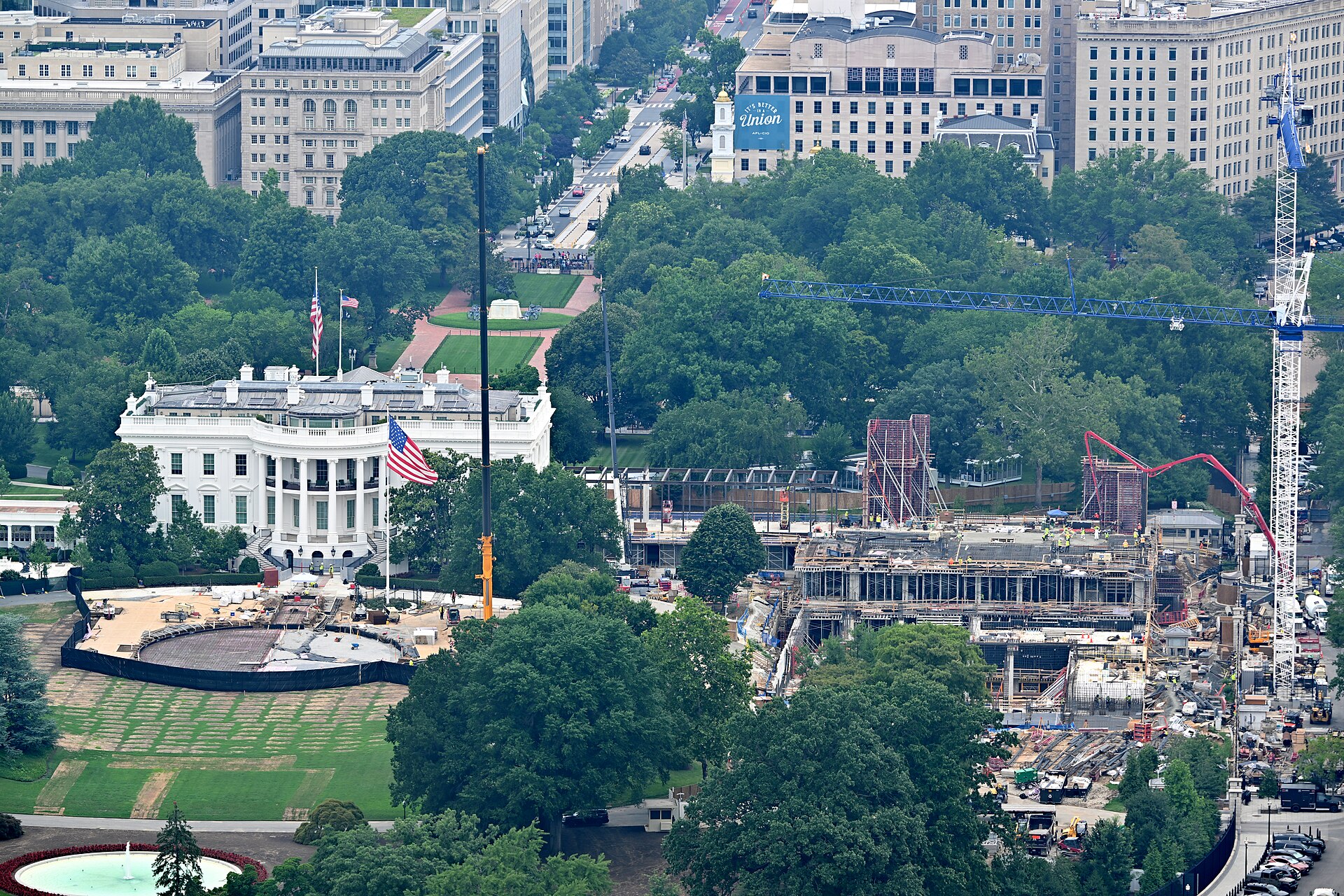
President Donald Trump has publicly highlighted a new granite helipad installed at the White House, a project funded by Lockheed Martin with a reported cost of $6 million. The primary objective of this infrastructure upgrade is to preserve the integrity of the South Lawn, which has historically suffered wear and tear from the frequent landings and takeoffs of the presidential helicopter fleet.
Protecting the South Lawn
The White House South Lawn is a significant ceremonial and operational space, often used for press conferences, military reviews, and public events. For decades, the landing of Marine One helicopters has posed a challenge to the maintenance of the grass and soil in the immediate vicinity of the landing zone. The weight and vibration of the aircraft, particularly during takeoff and landing, can compact soil and damage turf, requiring constant and costly landscaping efforts to restore the area to its pristine condition.

According to President Trump, the installation of the new granite helipad is designed to mitigate these issues. By providing a hard, durable surface specifically engineered for aviation use, the helipad aims to isolate the impact of the helicopters from the surrounding lawn. This shift from a grass landing zone to a dedicated granite platform is intended to reduce the physical stress on the vegetation and soil, thereby lowering the long-term maintenance burden on the White House grounds team.
Lockheed Martin’s Role in the Project
The project was funded by Lockheed Martin, a major American aerospace and defense company. While the specific contractual details between the company and the White House administration are not fully detailed in the available evidence, the $6 million figure indicates a significant investment in presidential security and infrastructure. Lockheed Martin is a well-known supplier of military and government aviation technology, making it a logical partner for projects involving the presidential helicopter fleet.
The involvement of a private aerospace firm in funding White House infrastructure highlights the complex relationship between government agencies and defense contractors. Such partnerships often arise from the need for specialized expertise and resources that may not be readily available through standard government procurement channels. In this case, the funding likely reflects a combination of corporate responsibility, strategic partnership, and the specific requirements of the presidential aviation program.

Marine One and the Presidential Helicopter Fleet
The presidential helicopter fleet, commonly known as Marine One, is a critical component of the President’s mobility and security. The fleet consists of Sikorsky helicopters, which are modified for presidential use with enhanced security, communications, and medical capabilities. The frequent use of these aircraft for domestic and international travel places significant demands on the infrastructure at the White House.
The transition to a granite helipad represents a modernization of the White House’s aviation infrastructure. While the South Lawn has been the traditional landing zone for Marine One, the installation of a dedicated helipad allows for more controlled and efficient operations. This can potentially reduce the time required for landing and takeoff, improve safety, and minimize the environmental impact on the surrounding grounds.
Implications for White House Maintenance
The installation of the helipad is expected to have several implications for the maintenance of the White House grounds. By reducing the damage to the South Lawn, the grounds team can focus on other aspects of landscaping and maintenance, such as the care of the Rose Garden, the East Lawn, and the surrounding parkland. This can lead to a more sustainable and cost-effective approach to grounds management.
Additionally, the helipad may improve the overall aesthetics of the White House grounds. A well-maintained granite helipad can be integrated into the landscape design, providing a clean and professional appearance for the landing zone. This can enhance the visual appeal of the White House, particularly during high-profile events and media appearances.
Public Reaction and Media Coverage
The announcement of the helipad has generated significant media attention, with many outlets focusing on the cost of the project and the role of Lockheed Martin. Some critics have questioned the necessity of the helipad, arguing that the South Lawn could be maintained without the need for a dedicated granite platform. However, supporters of the project point to the long-term benefits of reduced maintenance costs and improved operational efficiency.
The public reaction to the helipad is likely to be mixed, with some viewing it as a necessary investment in presidential security and infrastructure, while others see it as an unnecessary expense. The debate over the helipad reflects broader discussions about the cost of the presidency and the role of private companies in government operations.
Conclusion
The installation of the $6 million Lockheed-funded helipad at the White House marks a significant change in the management of the South Lawn. By providing a dedicated landing zone for Marine One helicopters, the helipad aims to protect the lawn from damage and reduce the long-term maintenance burden on the White House grounds team. The project highlights the complex interplay between government, private industry, and public infrastructure, and is likely to continue to generate discussion and debate in the coming months.