President Donald Trump has reportedly directed the creation of a new political board tasked with determining which grants the National Institutes of Health (NIH) will fund. According to recent reports, the President instructed Russell Vought, the Director of the White House Office of Management and Budget (OMB), to draft an executive order to establish this oversight body.
Proposed Executive Order and OMB Involvement
The move signals a significant shift in how federal research funding is allocated. By assigning the drafting of the executive order to the OMB, the administration is placing the mechanism for this new oversight structure within the executive branch’s primary budget and policy coordination office. The OMB typically plays a central role in coordinating federal agency budgets and ensuring that agency activities align with presidential priorities.

Under the reported directive, the newly proposed board would hold the authority to determine which specific grants receive funding. This represents a departure from the traditional peer-review process that has historically governed NIH grant allocations, where independent scientific experts evaluate proposals based on merit and scientific rigor.
Implications for Federal Research Funding
The establishment of a political board to control NIH funding raises questions about the balance between scientific independence and executive oversight. The NIH is the primary federal agency for conducting and funding medical research, supporting a vast network of researchers across the United States and abroad.
- Centralized Decision-Making: The proposed board would centralize grant decisions, potentially overriding or supplementing existing institutional review processes.
- Executive Oversight: The involvement of the OMB suggests that funding decisions may be more closely tied to broader administrative priorities rather than solely scientific merit.
- Policy Shift: This action reflects a broader trend of increased executive involvement in federal agency operations and funding mechanisms.
Context and Background
The National Institutes of Health has long been a cornerstone of U.S. scientific and medical advancement. Its funding mechanisms are designed to support a wide range of research, from basic science to clinical trials. The introduction of a political board to determine grant funding could impact the pace and direction of research initiatives, particularly those that may not align with current political priorities.
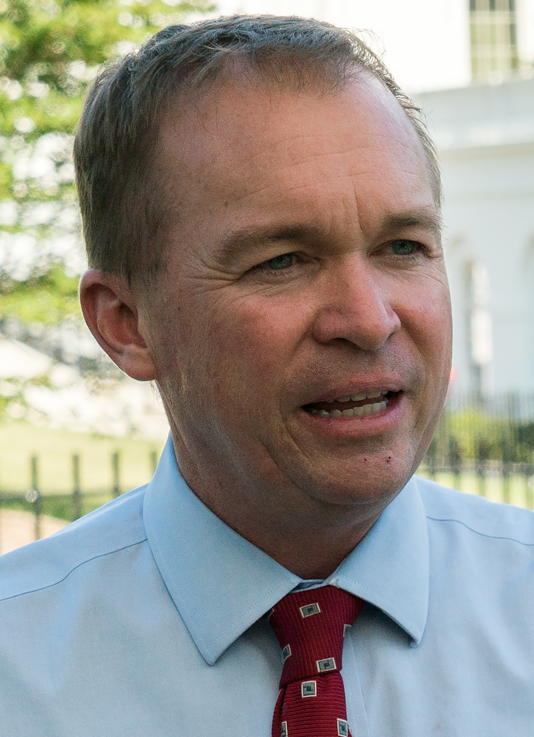
Russell Vought, as OMB Director, is responsible for overseeing the implementation of the President’s budget and policy agenda. His role in drafting this executive order underscores the administration’s intent to integrate NIH funding decisions more closely with executive policy goals.
Analysis
While the specific composition and operational details of the proposed board have not been fully disclosed, the reported directive highlights a strategic move to exert greater control over federal research funding. Critics may argue that such a board could compromise the independence of scientific research, while proponents may view it as a necessary step to ensure that public funds are aligned with national priorities.
The outcome of this executive order will likely depend on the final language of the draft and the subsequent implementation process. Stakeholders in the scientific community, including researchers, academic institutions, and advocacy groups, are expected to closely monitor developments as the administration moves forward with this proposal.