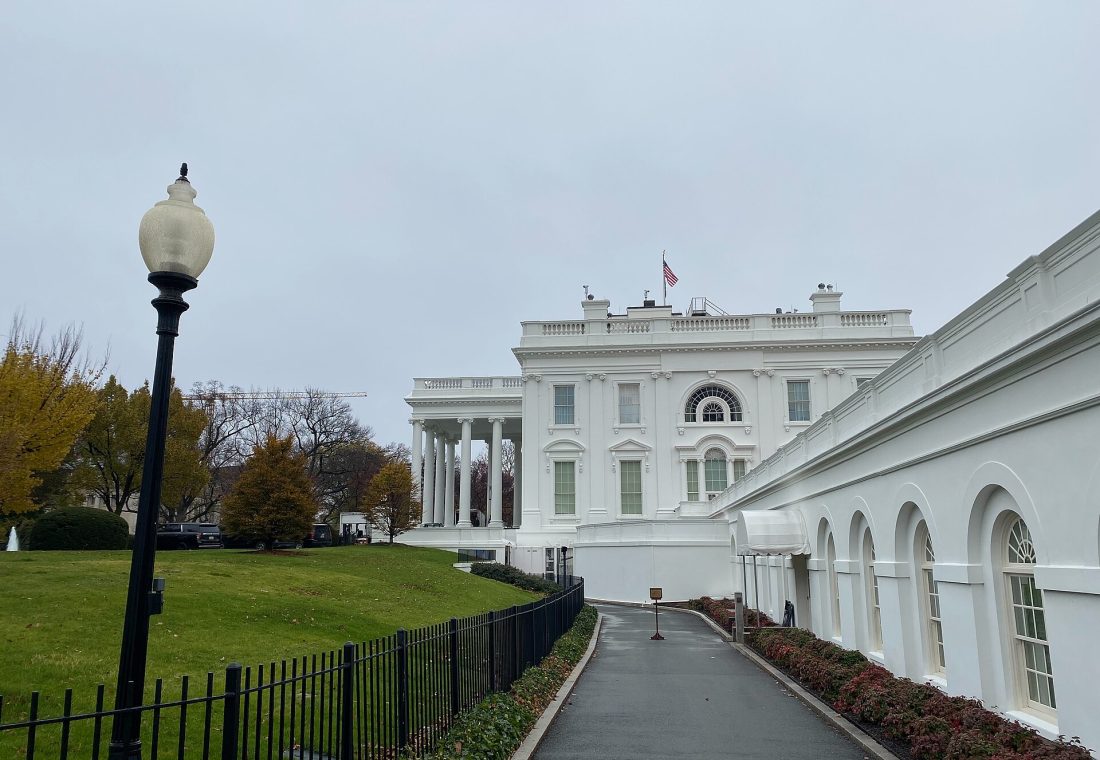
Access to the White House for journalists from specific media organizations has been restricted following an executive decision by the administration. According to reports, President Donald Trump announced on Friday that three major news outlets—CNN, MS NOW, and Politico—would be barred from entering the White House grounds.
Implementation of the Media Ban
The decision to ban these specific organizations marks a significant shift in the relationship between the executive branch and the press. The ban was publicly stated by President Trump, who identified the three outlets by name. As a direct consequence of this announcement, reporters affiliated with CNN, MS NOW, and Politico have begun facing denial of entry when attempting to access the White House for press events or interviews.

Scope of the Restriction
The restriction specifically targets the institutional access of the named news organizations. This means that journalists employed by these companies are no longer permitted to enter the White House premises under their official press credentials. The ban appears to be a targeted measure rather than a blanket restriction on all media, as other news organizations have not been explicitly named in the initial announcement.
Impact on News Reporting
The denial of entry poses logistical and professional challenges for the affected newsrooms. Reporters from CNN, MS NOW, and Politico must now seek alternative methods to gather information from the White House, such as relying on remote interviews, press conferences held in accessible locations, or information shared by colleagues from non-banned outlets. This development may influence how these organizations structure their coverage of presidential activities and policy announcements.
Broader Context
While the specific rationale for targeting these three outlets was not detailed in the provided evidence, such bans are often cited in discussions regarding press freedom and the administration’s approach to media relations. The move has drawn attention to the evolving dynamics between the White House and the press corps, particularly in an era where digital media and traditional broadcast networks compete for access to official sources.

Analysis of the Decision
The decision to ban specific media outlets reflects a strategic choice by the administration to limit direct access for certain voices. By naming CNN, MS NOW, and Politico, the administration has signaled a clear distinction between preferred and disfavored media partners. This approach may be intended to shape the narrative surrounding presidential activities by controlling which journalists are physically present to report on events in real-time.
From a business and operational standpoint, the ban forces the affected news organizations to adapt their reporting strategies. It may lead to increased reliance on secondary sources or a shift in how these outlets engage with the White House press office. The long-term implications for media relations and the flow of information from the executive branch remain to be seen, but the immediate effect is a tangible barrier to entry for a significant portion of the press corps.
Conclusion
The denial of entry to reporters from CNN, MS NOW, and Politico underscores the ongoing tensions between the White House and the media. As the administration enforces this ban, the affected news organizations must navigate these new constraints while continuing to fulfill their role in informing the public. The situation highlights the critical importance of press access in a democratic society and the potential consequences when such access is selectively restricted.