Google’s message at its annual Made by Google hardware event this week carried an unusual twist for a company that has spent two decades building products designed to capture attention: it wants you to use your phone less.
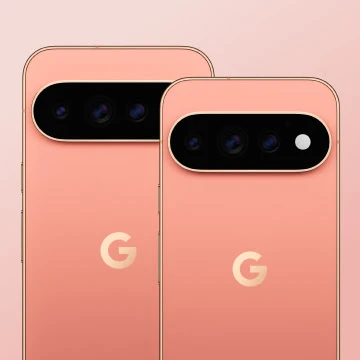
The Pixel 11 Pro, unveiled Tuesday alongside the 11 Pro Fold, Pixel Watch 5, and other devices, was pitched by executives and celebrity guests alike as a tool for being “more present” in daily life. Rick Osterloh, Google’s senior vice president of devices and services, opened the show with a conversation alongside comedian Trevor Noah about the distracting nature of modern smartphones.
“Your phones can do so much, but getting all that done today requires you to do all the work, all the tapping, and scrolling,” Osterloh said. He went on to describe falling into “a rabbit hole of dog videos” after checking a single notification.
It is a relatable admission. But the framing deserves closer scrutiny. Google is not selling technology minimalism. It is selling agentic AI dressed up as minimalism, and the distinction matters for anyone trying to understand where the company is heading.
The most tangible example of this “be more present” philosophy is HiLight, a new hardware feature on the Pixel 11 Pro’s camera bar. The strip glows when an important contact calls, allowing users to see who is reaching out without picking up the phone or checking the home screen. For now, HiLight works only with calls, though Google says text message notification support is coming soon. The feature is “one of the many ways our latest hardware will help you be more present,” according to Google’s press release.
But the broader vision extends well beyond a glowing camera bar. Google’s pitch is that Gemini, its AI assistant, can handle the tasks that currently require tapping and scrolling. Instead of responding to a text asking about restaurant reservation details, Gemini can find those details in your inbox and send them. Instead of coordinating an event yourself, Gemini can create the invite and manage the logistics.
This is where the skepticism sets in. The three minutes spent organizing a calendar event, ordering a ride, or replying to an important text are not what drives excessive screen time. Social media platforms, including Google’s own YouTube, along with Instagram and similar apps, consume far more attention than menial productivity tasks. Those platforms are not part of the “be more present” conversation because they are not appropriate targets for agentic AI to handle, at least not yet.
Meanwhile, every task delegated to Gemini gives Google deeper visibility into personal data. Users might be doing less on their phones, but Google is learning more about them in the process. The trade-off is not framed that way on stage.
Google’s long-term strategy helps explain the messaging shift. The company’s next generation of smart wearables, including intelligent eyewear expected later this year, will be driven primarily by voice commands rather than touch interfaces. To prepare users for a world where they talk to their devices instead of tapping them, Google is introducing agentic features on smartphones and watches first. The Pixel line is effectively a bridge product.
“Real leaps forward, like what we’re seeing right now, doesn’t happen that often,” Osterloh said at the event. The framing positions agentic AI as an inflection point. Whether it actually reduces screen time is a separate question. What it does accomplish is priming users for an ecosystem where smart glasses take photos, smart rings order food delivery, and voice replaces the visual screen as the primary interface.
Google’s future depends on this transition. The company’s advertising business is built on attention, but its hardware and AI ambitions require a different kind of user behavior, one where people trust AI to act on their behalf. That trust is the real product being sold at Made by Google, wrapped in the language of digital wellbeing.