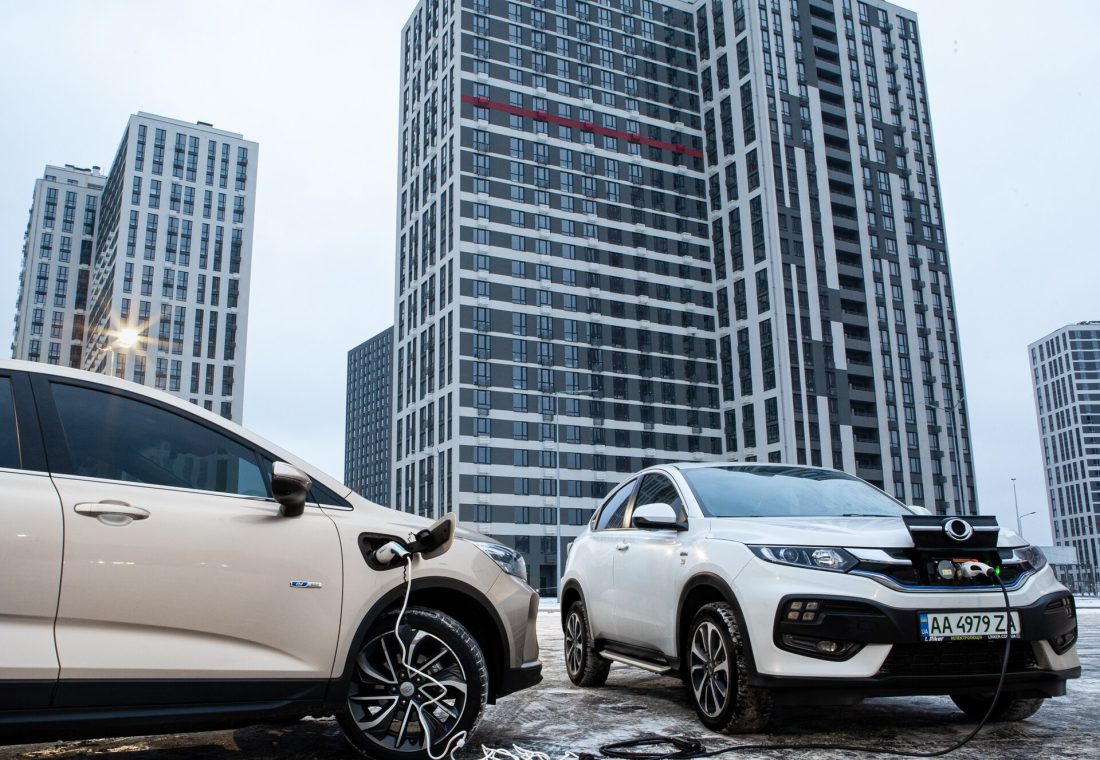

Chinese automotive giant Geely has introduced a high-power charging solution that significantly outpaces current industry standards. The company is preparing a 2.2 megawatt (MW) electric vehicle (EV) charging system, a development that positions China’s fast-charging infrastructure race as increasingly dominant in the global market.
The 2.2MW Charging Standard
The core of this new technology is its immense power output. At 2.2 MW, the system represents a substantial leap from the typical 150 kW to 350 kW chargers currently deployed in many Western markets. Geely’s announcement suggests that this infrastructure is designed to deliver a full or near-full charge to an electric vehicle in approximately four minutes.
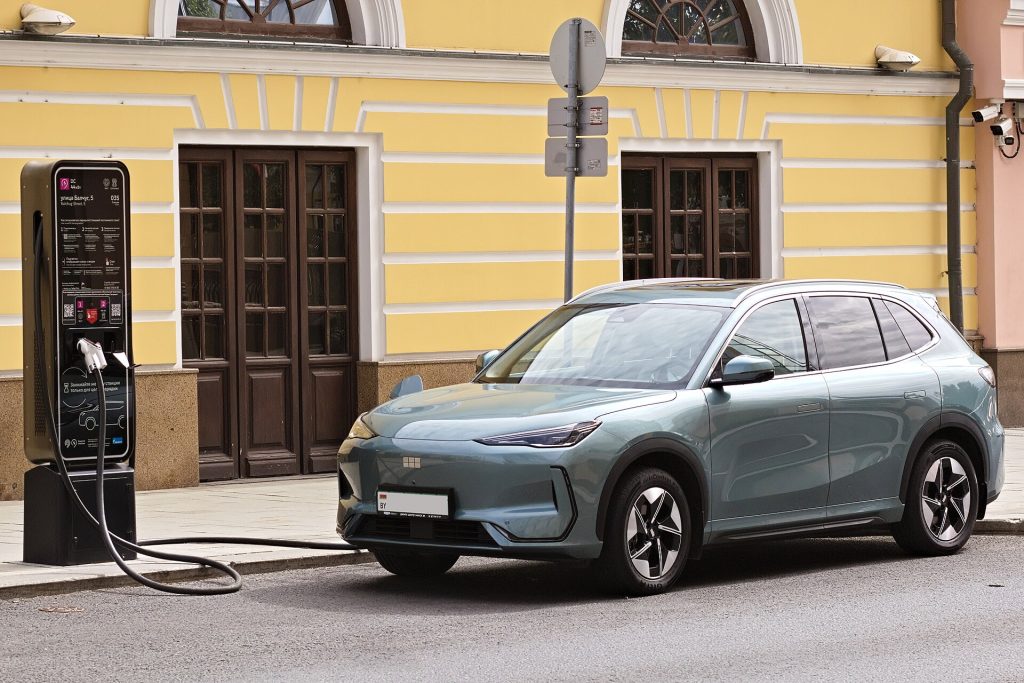
This speed is comparable to the time it takes to refuel a conventional internal combustion engine vehicle, effectively addressing one of the primary criticisms of EV adoption: charging duration. By reducing the wait time to a few minutes, the technology aims to make EVs as convenient as their gasoline-powered counterparts for daily use and long-distance travel.

Implications for the Global EV Market
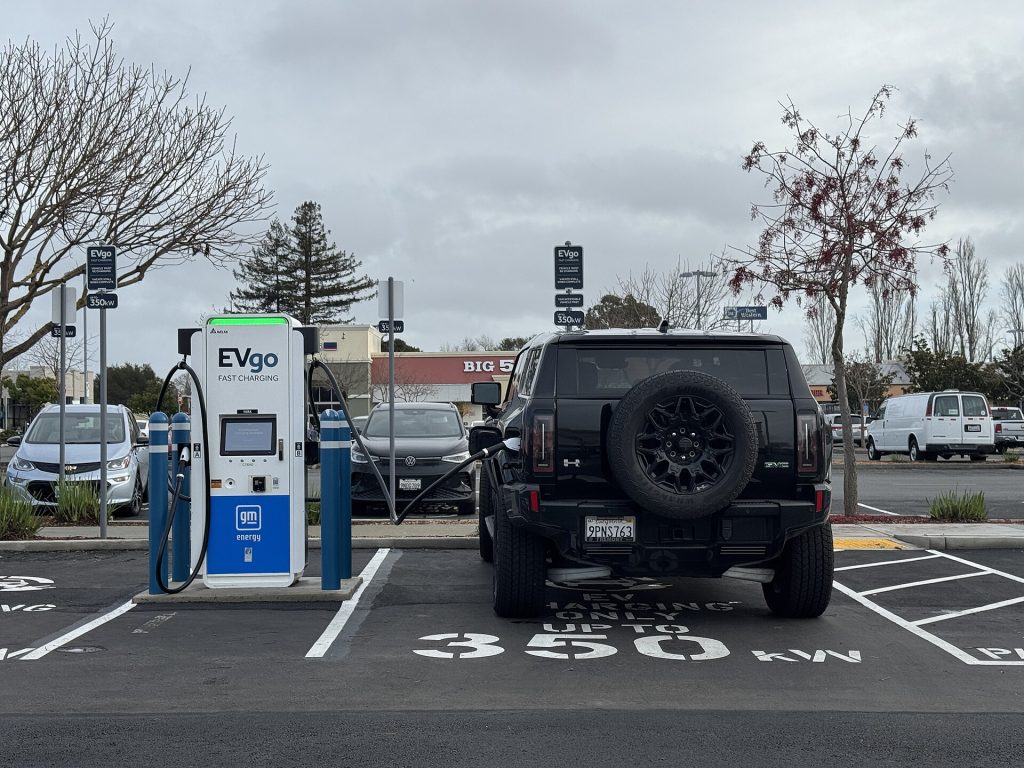
The introduction of such high-power charging technology by Geely highlights the rapid pace of innovation in China’s automotive sector. While other manufacturers and infrastructure providers are working on 800-volt architectures and higher-power chargers, a 2.2 MW system pushes the boundaries of what is currently considered standard.
- Power Output: 2.2 MW (2,200 kW)
- Estimated Charge Time: Approximately 4 minutes
- Developer: Geely
- Market Context: China’s fast-charging infrastructure race
This development places significant pressure on competitors in Europe and North America to accelerate their own infrastructure rollouts. The ability to charge an EV in four minutes could fundamentally change consumer behavior, making the transition from combustion engines to electric power more seamless for the average driver.
Technical Considerations
While the specific technical details of how the 2.2 MW power is managed and distributed to the vehicle’s battery are not fully detailed in the initial announcement, such high-power charging requires advanced battery management systems and thermal management solutions to prevent overheating and degradation. The vehicle’s battery architecture must be capable of accepting such high rates of energy transfer safely.
Geely’s move underscores a broader trend in the Chinese automotive industry, where manufacturers are not only producing vehicles but also developing the supporting infrastructure to ensure a superior user experience. This vertical integration of vehicle and charging technology is a key differentiator in the global EV competition.
Conclusion
Geely’s 2.2 MW charging system is a significant milestone in EV technology. By promising a four-minute charge, the company is setting a new benchmark for fast-charging capabilities. As this technology moves from teaser to deployment, it will be closely watched by industry analysts and consumers alike, potentially reshaping the landscape of electric mobility worldwide.