
Electric vehicle (EV) owners often focus on external factors like charging habits and temperature to preserve battery health. However, a new study published in Nature Energy highlights a less visible, internal issue that may be significantly impacting the longevity and range of EV batteries: uneven aging among individual cells within the battery pack.
The Hidden Cost of Cell Disparity
Battery packs in electric vehicles are not single units but complex assemblies of hundreds or thousands of individual electrochemical cells. While manufacturers aim for uniformity, real-world usage and manufacturing variances can lead to differences in how these cells degrade over time. The recent research, which analyzed real-world EV battery data, indicates that this uneven aging is not merely a theoretical concern but a practical factor that is “quietly costing cars and buses serious range and battery life.”

Why Uniformity Matters
In a battery pack, the overall performance is often limited by the weakest link. If some cells degrade faster than others, the battery management system (BMS) may have to restrict the total usable capacity to prevent over-discharging the weaker cells. This results in a reduction of the vehicle’s effective range, even if the majority of the cells are still healthy. The study suggests that this internal disparity is a significant contributor to the loss of battery life, potentially shortening the useful lifespan of the vehicle’s energy storage system.

Real-World Data Insights
The study’s reliance on real-world data provides a more accurate picture of battery degradation than laboratory conditions alone. By examining data from actual cars and buses, researchers were able to observe how operational stresses, such as varying charge rates, depth of discharge, and thermal conditions, contribute to the divergence in cell aging. This approach helps bridge the gap between controlled testing and the complex realities of daily driving.
Implications for EV Owners and Manufacturers
For EV owners, this finding underscores the importance of understanding that battery degradation is not just a function of time or mileage, but also of internal consistency. While individual users cannot directly control the aging rate of specific cells, they can mitigate some factors that exacerbate uneven aging, such as extreme temperature exposure and frequent deep discharges.
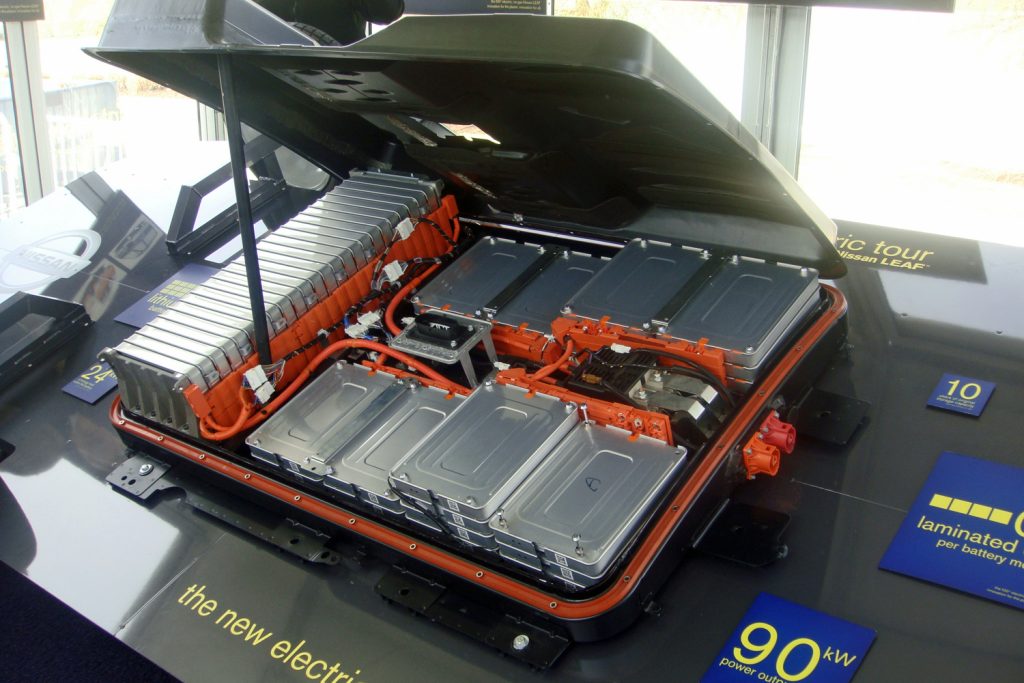
For manufacturers, the study highlights the need for more advanced battery management systems and quality control measures to ensure greater uniformity among cells. Future battery designs may incorporate more sophisticated monitoring and balancing techniques to address cell-to-cell variations, thereby extending the overall life of the battery pack.
Broader Impact on the EV Market
As the EV market continues to grow, the longevity and reliability of batteries remain critical factors for consumer confidence. If uneven cell aging is a widespread issue, it could have implications for the resale value of used EVs and the overall cost of ownership. Addressing this challenge could lead to more durable and efficient battery packs, ultimately benefiting both manufacturers and consumers.
What This Means for the Future
The findings from this Nature Energy study serve as a reminder that the complexity of EV batteries requires ongoing research and innovation. By focusing on the internal dynamics of battery packs, the industry can work towards developing solutions that maximize the potential of electric vehicles. As technology advances, the goal will be to minimize the impact of uneven aging, ensuring that EVs deliver the range and longevity promised by their manufacturers.
Conclusion
The uneven aging of battery cells is a significant factor in the degradation of EV batteries, as evidenced by recent real-world data analysis. While this issue may not be immediately apparent to drivers, it has tangible effects on range and battery life. Continued research and technological advancements are essential to address this challenge and improve the overall performance and longevity of electric vehicles.