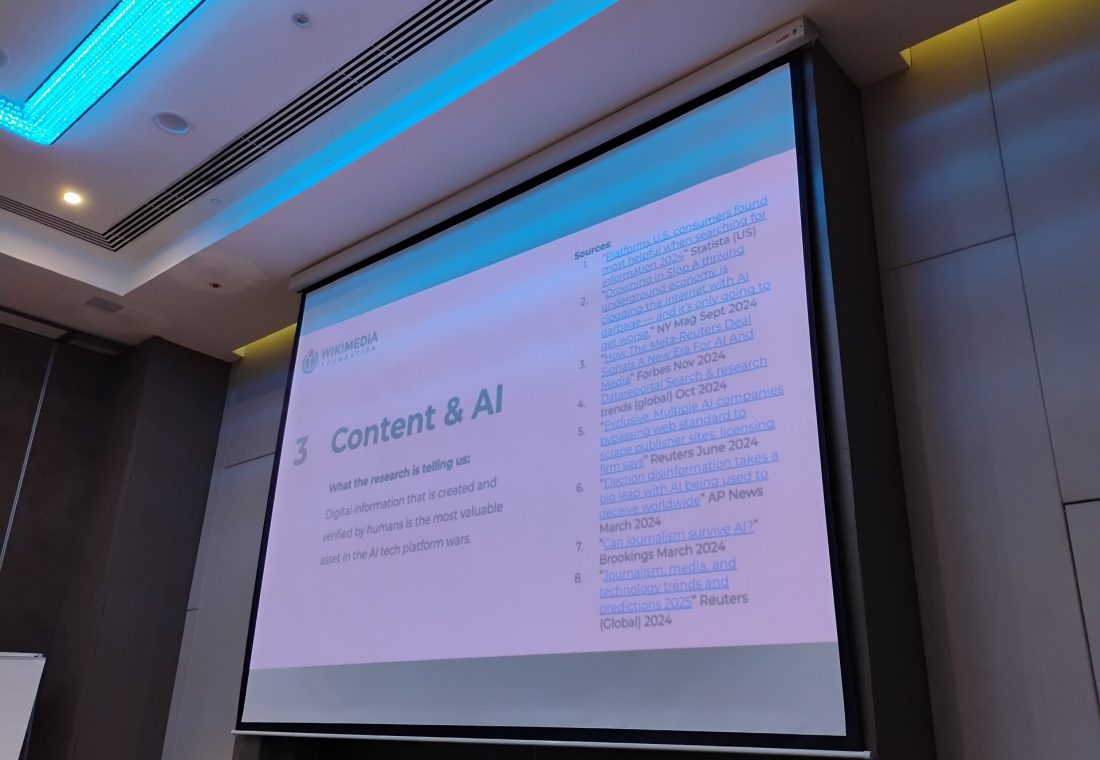

The landscape of digital content creation has undergone a fundamental shift. For decades, the barrier to entry for high-quality, polished writing, video, and design was skill, time, and often, significant financial resources. Today, that barrier has effectively collapsed. With the advent of sophisticated artificial intelligence tools, anyone can generate content that looks, sounds, and reads professionally refined. However, this democratization of production quality has created a paradox: when everyone can look professional, what makes a piece of content actually credible?
According to insights shared by three experts in a recent analysis for Inc., the answer lies not in technical polish, but in the intangible assets of trust, perspective, and lived experience. As the noise of AI-generated content floods the internet, the signal-to-noise ratio is becoming the primary metric for audience engagement. The experts argue that while AI can mimic the structure of professional communication, it cannot replicate the nuanced understanding that comes from real-world application and personal history.

The Illusion of Competence
For years, businesses and creators relied on “polish” as a proxy for quality. A well-edited article, a high-resolution video, or a perfectly formatted report signaled that the creator had invested time and expertise. In the current digital environment, these markers have lost their discriminatory power. An AI model can produce a grammatically perfect, structurally sound article in seconds. It can generate a video script with a compelling hook and a clear call to action. It can even mimic the tone of a specific brand.

However, this technical proficiency is now the baseline, not the differentiator. The experts note that audiences are becoming increasingly adept at detecting the “hollow” nature of content that lacks a human anchor. When content is overly generic, devoid of specific anecdotes, or lacking in the subtle imperfections that signal human thought processes, trust erodes. The result is a market saturated with content that looks right but feels empty.
The Triad of Credibility: Trust, Perspective, and Experience
To navigate this new landscape, the experts propose a triad of elements that separate meaningful work from mere output. These three pillars—trust, perspective, and lived experience—form the foundation of credible content in the post-AI era.

1. Trust: The Currency of Consistency
Trust is no longer built solely by the quality of a single piece of content; it is built through consistency and transparency. In an era where information can be fabricated or hallucinated by algorithms, audiences are seeking sources that demonstrate reliability over time. This means that creators and businesses must prioritize accuracy and honesty over speed. When a content creator admits to a mistake, provides sources for their claims, or maintains a consistent voice across platforms, they build a reservoir of trust that AI-generated content cannot easily replicate. Trust is a long-term asset that requires human accountability.
2. Perspective: The Value of a Unique Lens
AI models are trained on vast datasets of existing information. Consequently, their output tends to be an average of what has already been said. They are excellent at summarizing consensus but poor at offering contrarian or highly specific viewpoints. The experts emphasize that perspective is the ability to see the world through a unique lens. This could be a specific industry niche, a personal philosophy, or a unique combination of skills. When content offers a distinct point of view, it provides value that cannot be found in a generic search result. Perspective turns information into insight.
3. Lived Experience: The Proof of Concept
Perhaps the most critical differentiator is lived experience. This refers to the practical, often messy, reality of having done the work. It is the difference between knowing the theoretical steps to launch a startup and having actually navigated the funding rejections, team conflicts, and product pivots. Lived experience allows creators to provide context, nuance, and emotional resonance. It answers the “why” and “how” in ways that data alone cannot. When a creator shares a specific failure and what they learned from it, they are offering a type of knowledge that is inherently human and deeply valuable to peers facing similar challenges.
Strategic Implications for Creators and Businesses
For businesses and individual creators, this shift requires a strategic re-evaluation of content goals. The focus must move from volume and polish to depth and authenticity. Here are several actionable strategies derived from the experts’ insights:
- Deepen the Narrative: Move beyond surface-level tips. Share the backstory, the challenges, and the specific context behind your advice. Use first-person narratives to ground your content in reality.
- Embrace Specificity: General statements are easy for AI to generate. Specific details, such as exact metrics, unique client scenarios, or personal anecdotes, are harder to fabricate and more engaging for readers.
- Build Community, Not Just Audience: Engage with your audience in meaningful ways. Respond to comments, ask for input, and create spaces for dialogue. Trust is built through interaction, not just broadcast.
- Curate, Don’t Just Create: Use AI tools to handle the mechanical aspects of content creation, such as editing or formatting, but reserve your human energy for the strategic and creative elements. Let the technology handle the polish, while you provide the soul.
The Future of Human-Centric Content
The rise of AI does not signal the end of human content; rather, it signals the end of low-effort human content. The market is clearing out the middle, where content was produced primarily for the sake of production. What remains is a bifurcated landscape: on one side, high-volume, low-trust AI-generated content; on the other, high-value, high-trust human-driven content.
For those who can leverage their unique experiences and perspectives, this is an opportunity. The noise of the machine makes the human voice more distinct. By focusing on trust, perspective, and lived experience, creators can build a brand that is not only credible but also resilient against the tides of technological change. In a world where anyone can make polished content, the question is no longer “Can I make it look good?” but “Can I make it feel true?”
Summary of Key Differentiators
| Element | AI Capability | Human Advantage |
|---|---|---|
| Polish | High (Grammar, Structure, Tone) | Low (Now a baseline requirement) |
| Trust | Low (Lacks accountability and history) | High (Built through consistency and transparency) |
| Perspective | Low (Tends toward average/consensus) | High (Unique lens and contrarian views) |
| Lived Experience | None (Cannot have personal history) | High (Context, nuance, and emotional resonance) |
As the digital ecosystem evolves, the most successful content creators will be those who understand that their value is not in their ability to produce text, but in their ability to share truth. The tools have changed, but the fundamental human need for connection and credible information remains the same.