Reframing Failure in STEM Education
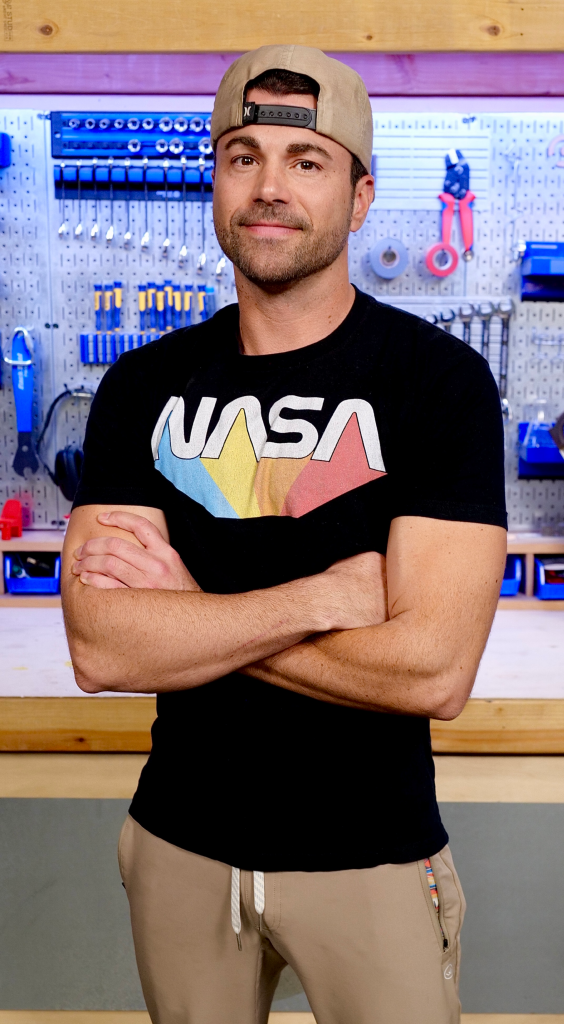
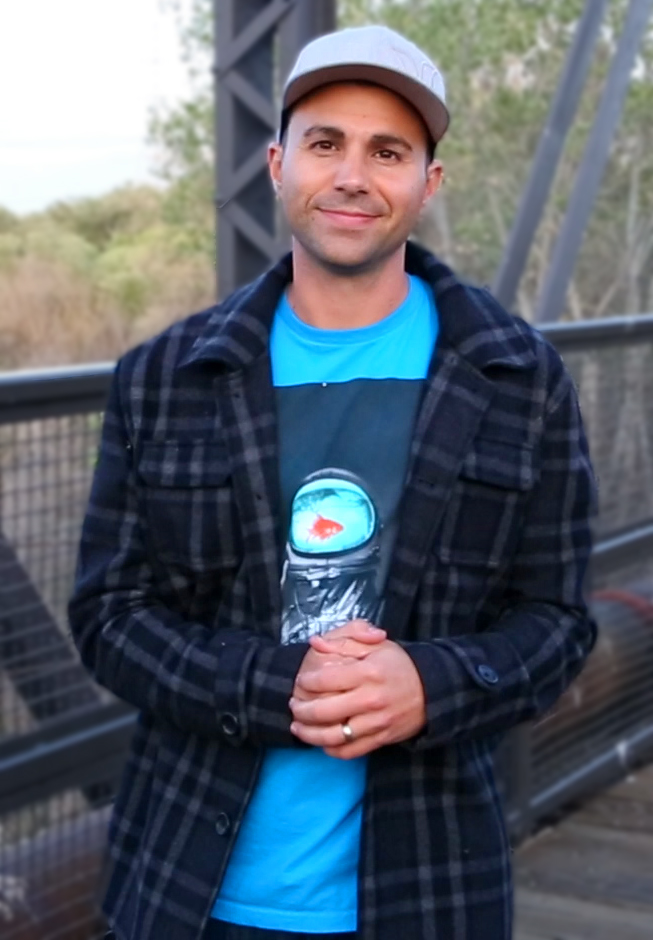
Mark Rober, a former NASA engineer and prominent science educator, has adopted a distinct pedagogical approach in his digital content: intentionally showcasing the failures of his experiments. Rather than presenting only polished, successful outcomes, Rober includes moments where his projects go wrong, arguing that this transparency is crucial for young audiences.
In a recent interview with Business Insider, Rober explained that his goal is to help children become comfortable with the concept of failure. He views mistakes not as endpoints, but as integral components of the learning and experimentation process. By witnessing a respected engineer struggle and eventually overcome technical hurdles, young viewers are encouraged to adopt a similar mindset in their own educational and creative pursuits.
The Role of the Engineer in Public Media
Rober’s background as a NASA engineer lends significant credibility to his message. In high-stakes engineering environments, failure is often a necessary precursor to innovation. By bringing this professional reality into the home through video content, Rober bridges the gap between academic theory and practical application. His approach challenges the common media trope of the “genius inventor” who succeeds on the first try, replacing it with a more realistic narrative of iterative problem-solving.
“I want kids to see mistakes as part of learning and experimentation,” Rober stated. This sentiment reflects a broader shift in how STEM (Science, Technology, Engineering, and Mathematics) education is being delivered outside of traditional classrooms. Digital platforms allow for a more dynamic and honest portrayal of scientific inquiry, where the process is as valuable as the result.
Impact on Young Audiences
For children and teenagers, the fear of failure can be a significant barrier to engaging with complex subjects. When educational content only displays success, it can create an unrealistic expectation that mastery is immediate and effortless. Rober’s strategy aims to dismantle this barrier by normalizing the struggle inherent in engineering and science.
- Normalization of Error: By showing failed experiments, Rober demonstrates that errors are expected and manageable.
- Resilience Building: Viewers learn that persistence, rather than innate talent, is often the key to successful innovation.
- Authenticity: The inclusion of real-world setbacks makes the content more relatable and trustworthy to young audiences.
This approach aligns with modern educational psychology, which emphasizes growth mindset principles. By witnessing a role model navigate failure, students are more likely to view their own setbacks as opportunities for growth rather than indicators of inability.
Broader Implications for STEM Outreach
Rober’s method offers a model for other educators and content creators in the STEM field. As the demand for skilled engineers and scientists grows, the way these fields are presented to the next generation becomes increasingly important. Traditional outreach often focuses on the final product or the prestige of the institution, potentially overlooking the human element of scientific discovery.
By prioritizing the narrative of struggle and resolution, Rober provides a more holistic view of what it means to be a scientist or engineer. This not only aids in recruitment for STEM careers but also fosters a culture of curiosity and resilience in young people, regardless of their future career paths.
Key Takeaways for Educators
| Strategy | Benefit |
|---|---|
| Showing failed experiments | Reduces fear of failure in students |
| Highlighting the iterative process | Teaches persistence and problem-solving |
| Maintaining authenticity | Builds trust and relatability with young audiences |
As digital education continues to evolve, the integration of realistic narratives about failure may become a standard best practice. Rober’s work serves as a compelling example of how content creators can use their platforms to shape positive attitudes toward learning and innovation.