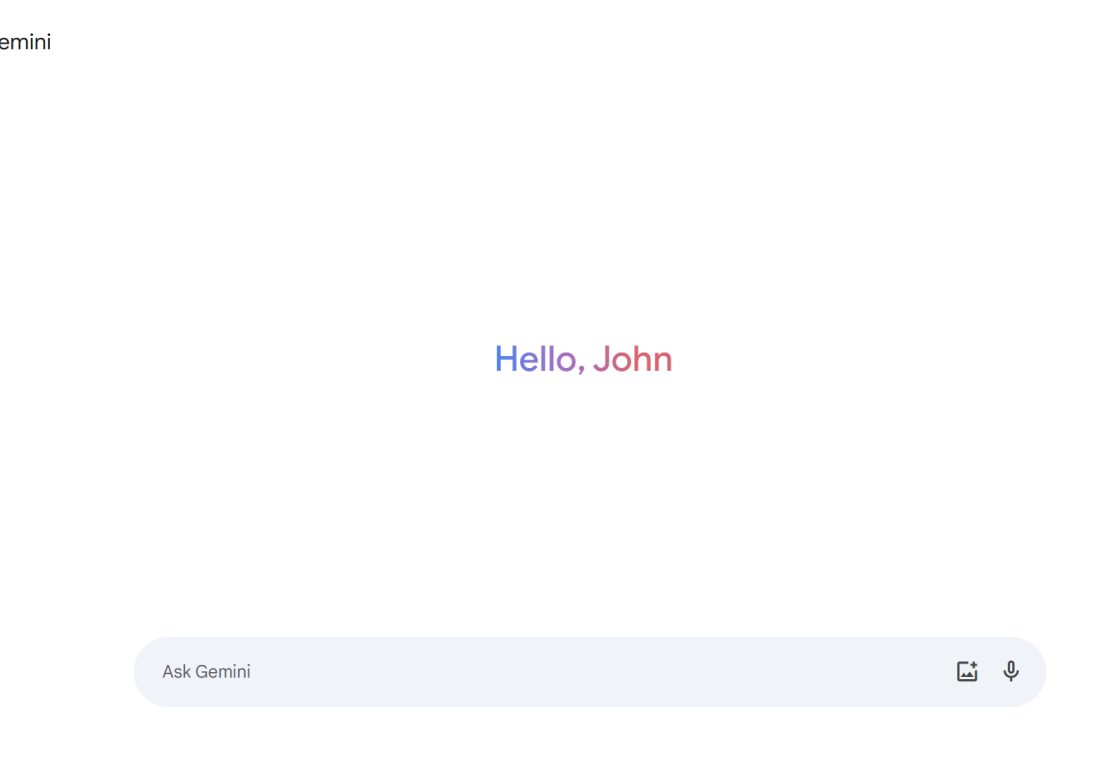
Google has expanded the capabilities of its Gemini artificial intelligence assistant by integrating a new slate of third-party services. The most notable addition is Adobe, which allows users to interact with creative tools directly within the Gemini interface. This move is part of a broader strategy to reduce the need for users to switch between multiple applications to complete complex tasks.
Adobe Joins the Gemini Ecosystem
The integration of Adobe into Gemini represents a significant step in connecting generative AI with professional creative software. By making Adobe a “connected app,” users can now access specific functionalities or workflows without leaving the chat-based environment of Gemini. This approach aims to streamline the creative process, allowing for a more fluid interaction between AI assistance and traditional design tools.

While the specific technical details of how the Adobe integration functions within the chat interface are not fully detailed in the initial announcement, the core benefit is the elimination of context switching. Users can potentially request edits, generate assets, or manage projects related to Adobe services while maintaining their conversation with the AI assistant.
A Broader Slate of New Connected Apps
Adobe is not the only service being added to the Gemini platform. Google announced a wider group of integrations designed to cover various professional and personal use cases. The full list of newly connected services includes:
- Adobe: For creative design and media production.
- Airtable: For database and project management.
- Wispr AI: For voice-to-text and transcription services.
- Picsart: For photo and video editing.
- Squarespace: For website building and management.
- SeatGeek: For event ticketing and discovery.
This diverse selection suggests that Google is targeting a wide range of user needs, from professional creative work and business operations to personal entertainment and content creation. By integrating these specific tools, Gemini is evolving from a general-purpose chatbot into a more comprehensive productivity hub.
The Shift Toward Integrated AI Workflows
The addition of these connected apps highlights a growing trend in the technology industry: the move away from standalone AI tools and toward integrated ecosystems. Historically, users had to copy and paste information between an AI assistant and their preferred software. This process was often cumbersome and prone to errors.
With connected apps, the AI assistant can directly interact with the external service. For example, a user might ask Gemini to summarize a project in Airtable or generate a design concept in Adobe. The AI can then execute these actions or provide specific outputs that are directly usable within the connected platform. This reduces friction and increases efficiency, particularly for users who rely on multiple specialized tools in their daily work.
Implications for Productivity and User Experience
For professionals, this integration could lead to significant time savings. By keeping the AI assistant and the necessary tools in a single interface, users can maintain focus and momentum. The ability to work without juggling between apps is a key selling point, as it minimizes the cognitive load associated with switching contexts.
However, the success of these integrations will depend on the depth of the connection. If the integrations are limited to simple data retrieval or basic command execution, the impact may be modest. Conversely, if Gemini can perform complex, multi-step tasks across these platforms, it could redefine how users approach their digital workflows.
Competitive Landscape
Google’s move to integrate third-party apps into Gemini places it in direct competition with other AI assistants that are also seeking to become central hubs for digital productivity. By partnering with established brands like Adobe and Squarespace, Google leverages their existing user bases and brand recognition to enhance the value proposition of Gemini.
This strategy also serves to lock users into the Google ecosystem. As more services become accessible through Gemini, users may find it increasingly convenient to rely on Google’s AI for their daily tasks, potentially reducing the adoption of competing AI assistants that lack similar integrations.
Conclusion
The addition of Adobe, Airtable, Wispr AI, Picsart, Squarespace, and SeatGeek to Gemini marks a significant expansion of the platform’s capabilities. By focusing on connected apps, Google is addressing a common pain point for users: the need to switch between multiple applications. This move positions Gemini as a more versatile and powerful tool for both professional and personal use, potentially setting a new standard for AI-assisted productivity.