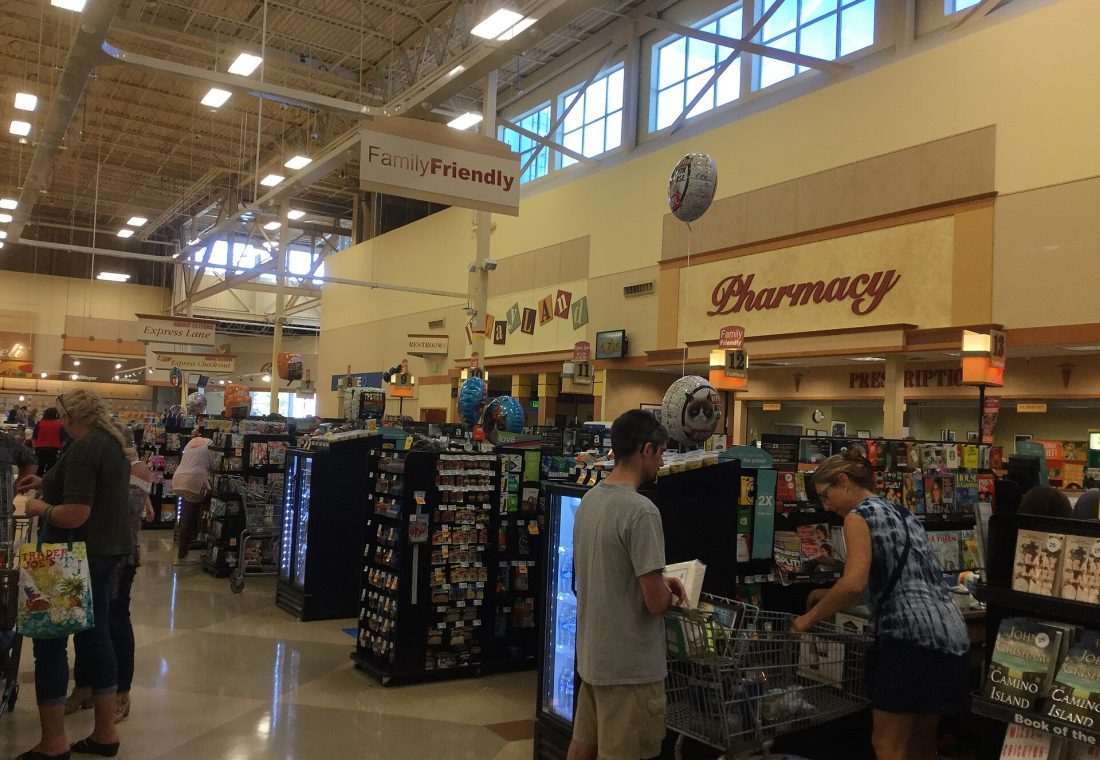
In a significant shift in the competitive grocery landscape, Kroger is leveraging its market position to exert greater pressure on premium brand suppliers. According to recent reporting, the retail giant is actively reducing shelf space allocated to high-profile brands such as Boar’s Head and Red Bull. This strategic move is part of a broader corporate initiative led by CEO Greg Foran, who has prioritized lower consumer prices and more rigorous negotiations with suppliers.
Strategic Pivot Toward Price Competitiveness
Kroger’s recent actions signal a departure from previous strategies that may have favored premium product placements. Instead, the company is focusing on cost-efficiency and value proposition to compete directly with major rivals. The primary targets of this competitive strategy include Walmart, Costco, and Aldi, all of which are known for their aggressive pricing models and efficient supply chain operations.

By tightening its grip on supplier relationships, Kroger aims to secure better terms that can be passed on to consumers in the form of lower prices. This approach requires a re-evaluation of which products generate the most value for the retailer and the shopper, often at the expense of brands that command higher margins but may not align with the current price-sensitive market environment.
Impact on Premium Brands
The reduction in shelf space for brands like Boar’s Head and Red Bull highlights the changing dynamics between large retailers and premium manufacturers. These brands, which have traditionally relied on prominent placement to drive sales, are now facing increased scrutiny regarding their pricing and contribution to overall store profitability.
- Boar’s Head: A well-known deli and prepared foods brand, now facing reduced visibility in Kroger stores.
- Red Bull: A leading energy drink brand, also experiencing a contraction in its physical footprint within the retailer’s aisles.
This trend suggests that premium brands must adapt to the evolving demands of major grocery chains. The ability to negotiate favorable terms and demonstrate clear value to the retailer is becoming increasingly critical for maintaining shelf presence.

Competitive Landscape
Kroger’s strategy is not occurring in a vacuum. The grocery sector is currently experiencing intense competition, with several major players vying for consumer loyalty. The following table outlines the key competitors mentioned in the context of Kroger’s strategic priorities:
| Competitor | Known Strategy |
|---|---|
| Walmart | Everyday Low Prices (EDLP), massive scale |
| Costco | Membership model, bulk pricing, curated selection |
| Aldi | Discount model, limited SKU, high efficiency |
By aligning its strategy with these competitors, Kroger is positioning itself to capture price-conscious shoppers who might otherwise turn to these alternatives. The focus on tougher supplier negotiations is a direct mechanism to achieve the price parity necessary to compete in this environment.
Leadership and Corporate Direction
CEO Greg Foran has been instrumental in driving this strategic shift. His emphasis on lower prices and supplier discipline reflects a broader industry trend where retailers are seeking to optimize their margins and enhance customer value. This leadership direction is likely to influence future negotiations with other premium brands, potentially leading to further adjustments in product assortments across the Kroger network.
As the grocery market continues to evolve, the balance of power between retailers and brands is shifting. Premium brands must now demonstrate not only consumer appeal but also strategic value to the retailer, ensuring that their presence contributes to the overall competitive positioning of the store.