TECH-A.I

When an Electric Motor Makes Sense for a Small Boat

For many recreational boaters, the decision to electrify a small watercraft is not about replacing the entire vessel, but rather about augmenting an existing one. Adding an electric motor to a kayak, inflatable, canoe, or compact fishing boat offers a…

When an Electric Motor Makes Sense for a Small Boat
Own work · Wikimedia Commons · CC BY-SA 3.0

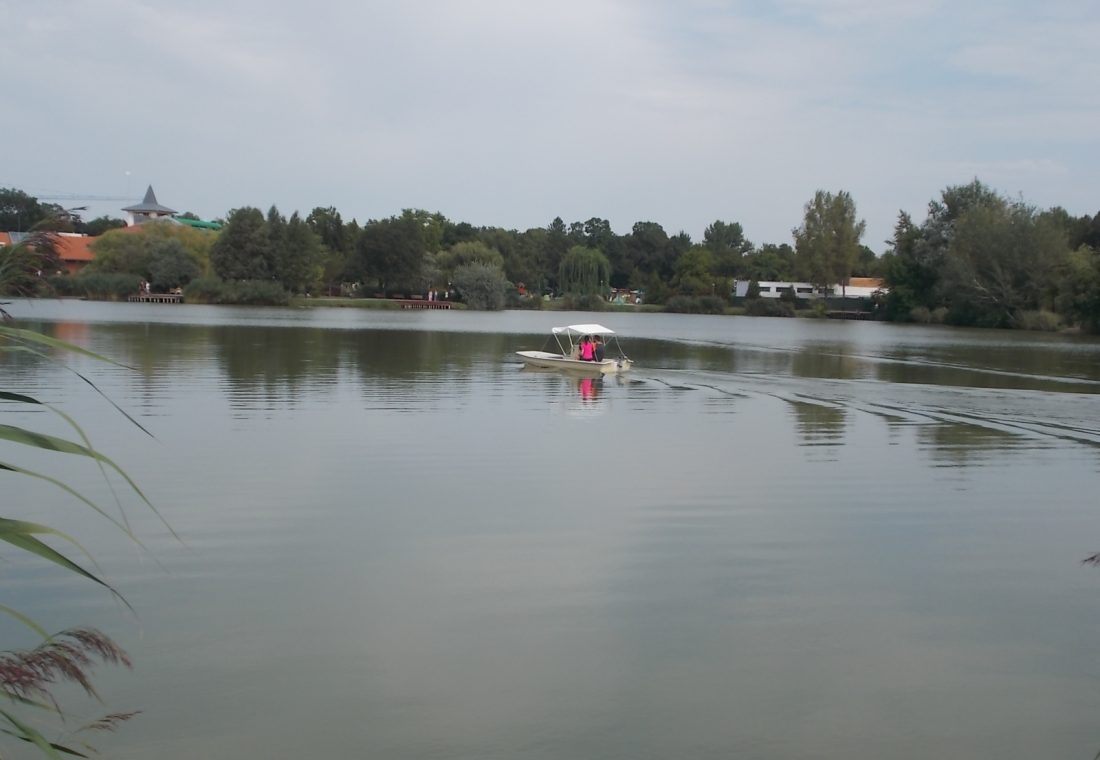
For many recreational boaters, the decision to electrify a small watercraft is not about replacing the entire vessel, but rather about augmenting an existing one. Adding an electric motor to a kayak, inflatable, canoe, or compact fishing boat offers a practical solution for those seeking powered propulsion without the significant financial and logistical commitment of purchasing a purpose-built electric vessel.

The Case for Retrofitting

The primary appeal of retrofitting a small boat with an electric motor lies in accessibility and utility. For a subset of boaters, this modification transforms the experience of navigating local waterways. It can mean the difference between a strenuous paddle across a lake and a smooth, powered journey. Similarly, for anglers, the ability to move silently and efficiently between fishing spots reduces physical fatigue and allows for more time spent on the water.
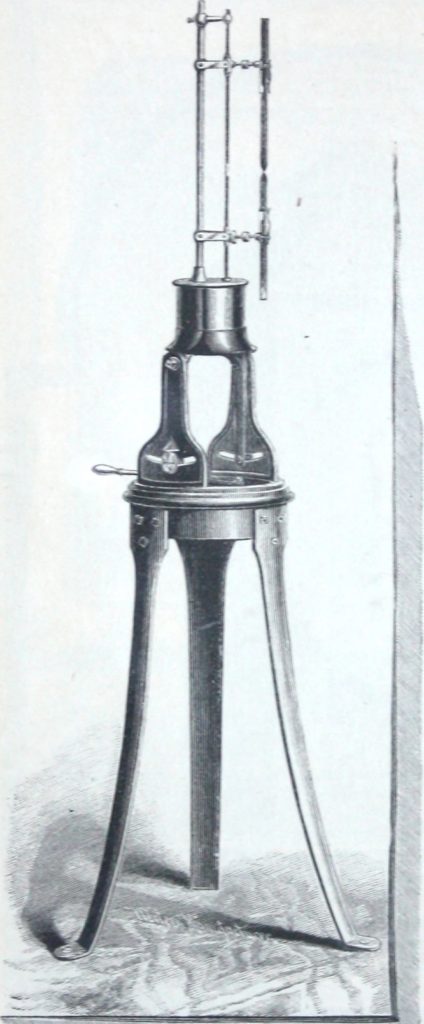
Identifier: VanDepoeleElectricLightCompanyManufactureSingleAndMultipleCurrent (find matches) Title: Van Depoele Electric Light Company manufacture single and multiple current dynamo electric machines, motors, electric lamps and electro-plating apparatus ... Year: 1884 (1880s) Authors: Van Depoele Electric Light Company Subjects: lighting Division 26 street lighting roadway lighting arc lamps Publisher: Van Depoele Electric Light Company Contributing Library: Canadian Centre for Architecture View Book Page: Book Viewer About This Book: Catalog Entry View All Images: All Images From Book Click here to view book online to see this illustration in context in a browseable online version of this book. Text Appearing Before Image: Fig. ii. Steamboat Headlight. i6 DEPOELE ELECTRIC LIGHT COMPANY. ture especially for steamboats a portable lamp, which can be hung up in a fewmoments in any part of the boat, or can be placed on shore if needed. Thislamp is provided with the same feeding mechanism as the preceding lamp, andcan be run for from eight to sixteen hours without renewal of carbons. This lamp is in general appearance similar toFig. 6. Fig. 12 shows the Focusing Lamp forthe use of the lecture room. The lamp ismounted upon a very solid stand, and canbe moved horizontally and vertically toany desired angle. The working of thelamp is perfect and reliable, and any candlepower can be given, from rive hundred to Text Appearing After Image: ' Note About Images Please note that these images are extracted from scanned page images that may have been digitally enhanced for readability - coloration and appearance of these illustrations may not perfectly resemble the original work.
https://www.flickr.com/photos/internetarchivebookimages/14790794643/ Source book page: https://archive.org/stream/VanDepoeleElectricLightCompanyManufactureSingleAndMultipleCurrent/VanDepoeleElectricLightCoCca65810#page/n19/mode/1up · Wikimedia Commons · No restrictions

This approach is particularly relevant for owners of non-motorized or lightly motorized craft. By integrating an electric drive system, these vessels gain a new level of functionality while retaining their original design characteristics, such as portability and low maintenance requirements.

Considerations and Limitations

While the benefits of electric propulsion are clear for certain use cases, the decision is not without trade-offs. Potential users must carefully evaluate the practical constraints associated with adding power to a small craft.

  • Added Weight: Electric motors and their associated battery packs add significant weight to the vessel. This can affect the boat’s handling, stability, and capacity, particularly in smaller kayaks or canoes.
  • Limited Runtime: Unlike internal combustion engines that can be refueled quickly, electric systems are constrained by battery capacity. The runtime is directly tied to the size and charge level of the battery, which may limit the distance or duration of a trip.
  • Infrastructure Needs: Owners must consider the logistics of charging the battery, which requires access to power sources and time for recharging between uses.

Who Should Consider an Electric Retrofit?

The suitability of an electric motor depends heavily on the intended use of the vessel. It is most beneficial for boaters who prioritize quiet operation, lower maintenance, and short-to-medium range trips. It is less suitable for those requiring long-range capability or who are sensitive to the additional weight and cost of battery technology.
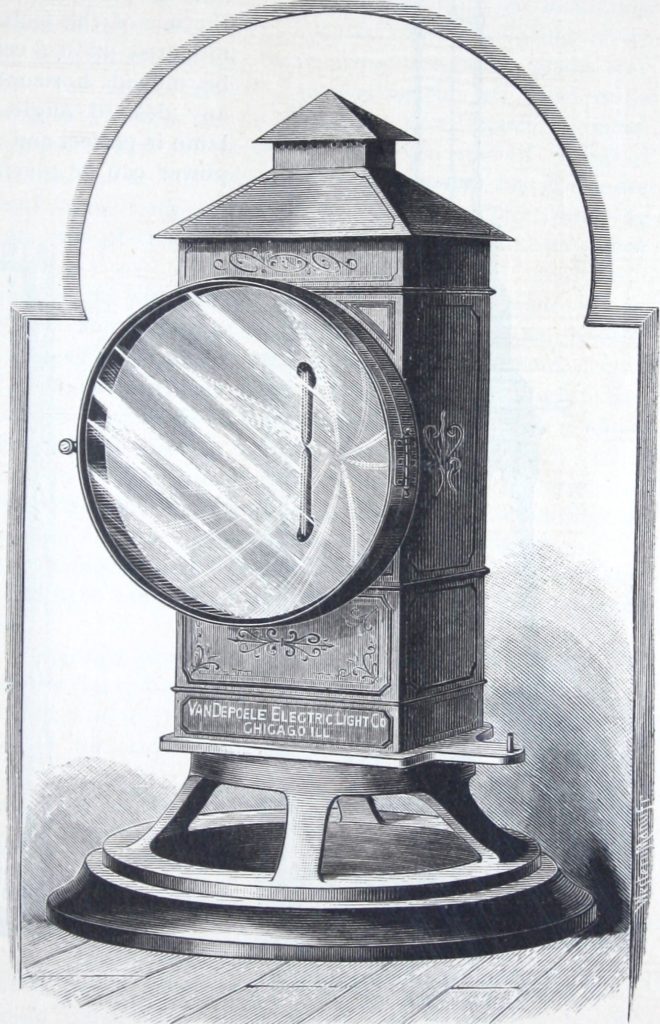
Identifier: VanDepoeleElectricLightCompanyManufactureSingleAndMultipleCurrent (find matches) Title: Van Depoele Electric Light Company manufacture single and multiple current dynamo electric machines, motors, electric lamps and electro-plating apparatus ... Year: 1884 (1880s) Authors: Van Depoele Electric Light Company Subjects: lighting Division 26 street lighting roadway lighting arc lamps Publisher: Van Depoele Electric Light Company Contributing Library: Canadian Centre for Architecture View Book Page: Book Viewer About This Book: Catalog Entry View All Images: All Images From Book Click here to view book online to see this illustration in context in a browseable online version of this book. Text Appearing Before Image: boats and locomotiveswarranted to be unaffected by the most severe vibrations. The peculiarities ofthis lamp are that thecarbons are fed andregulated by an elec-tric motor containedin the lamp. No deli-cate parts are pres-ent, and no adjust-ment whatever isneeded to the lamp.When the dynamoruns with normalspeed it is impossibleto keep the carbonsat any other distanceapart while emittinglight, than that towhich the lamp ismade. On puttingthe carbons together,they are immediatelyseparated, while,when pulled apartfurther than the nor-mal distance, theywill be moved to-ward each other untilthe proper distanceis obtained. The feedof the carbons ismost perfect, conse-quently a perfectlysteady light is theresult. The lamp isinclosed in a neat andsolid case, and is soarranged that it canbe turned to anyangle desired ; forthis purposethe lamp and case are carried by a rotary platform, and so arranged that it can be workedby the wheelsman or pilot from his post. The Van Depoele Company manufac- Text Appearing After Image: Fig. ii. Steamboat Headlight. i6 DEPOELE ELECTRIC LIGHT COMPANY. ture especially for steamboats a portable lamp, which can be hung up in a fewmoments in any part of the boat, or can be placed on shore if needed. Thislamp is provided with the same feeding mechanism as the preceding lamp, andcan be run for from eight to sixteen hours without renewal of carbons. This lamp is in general appearance similar toFig. 6. Fig. 12 shows the Focusing Lamp forthe use of the lecture room. The lamp ismounted upon a very solid stand, and canbe moved horizontally and vertically toany desired angle. The working of thelamp is perfect and reliable, and any candlepower can be given, from rive hundred to Note About Images Please note that these images are extracted from scanned page images that may have been digitally enhanced for readability - coloration and appearance of these illustrations may not perfectly resemble the original work.
https://www.flickr.com/photos/internetarchivebookimages/14767755631/ Source book page: https://archive.org/stream/VanDepoeleElectricLightCompanyManufactureSingleAndMultipleCurrent/VanDepoeleElectricLightCoCca65810#page/n18/mode/1up · Wikimedia Commons · No restrictions

Ultimately, the decision to electrify a small boat is a balance between the desire for powered convenience and the acceptance of the technical and physical limitations inherent in current electric propulsion systems for small craft.

Sources

Was this article helpful?