Technical Fault at Prestwick Centre Addressed
UK Transport Secretary Heidi Alexander has confirmed that a technical issue affecting air traffic control operations has been resolved. The disruption, which impacted flights across Scotland, Northern Ireland, and northern England, was attributed to a further IT problem at the Prestwick Centre, operated by NATS (National Air Traffic Services).
In a statement posted on the social media platform X, Secretary Alexander indicated that engineers had successfully fixed the problem and that systems were in the process of resuming normal operations. However, she cautioned that passengers and operators should anticipate some delays as the system resets and traffic flow normalizes.
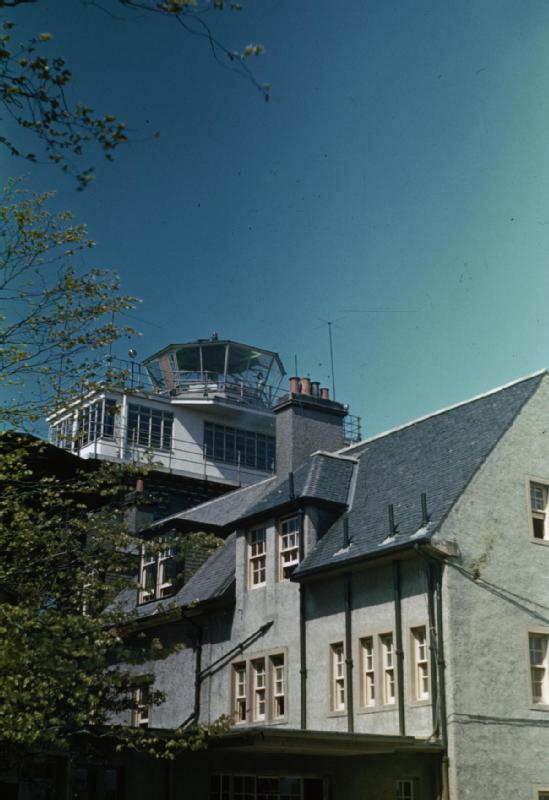
Scope of the Disruption
The incident affected a significant portion of the UK’s northern airspace. While specific flight numbers or airline names were not detailed in the immediate official statement, the geographic scope included:
- Scotland
- Northern Ireland
- Northern England
The Prestwick Centre is a critical hub for managing air traffic in these regions. An IT failure at such a node can lead to cascading delays, as air traffic controllers rely on digital systems to monitor aircraft positions, manage separation, and coordinate with airports.
Official Response and Current Status
Secretary Alexander’s communication emphasized two key points: the resolution of the technical fault and the ongoing process of system recovery. The phrase “systems are resuming” suggests that while the root cause has been addressed, the full restoration of pre-incident operational efficiency may take time.
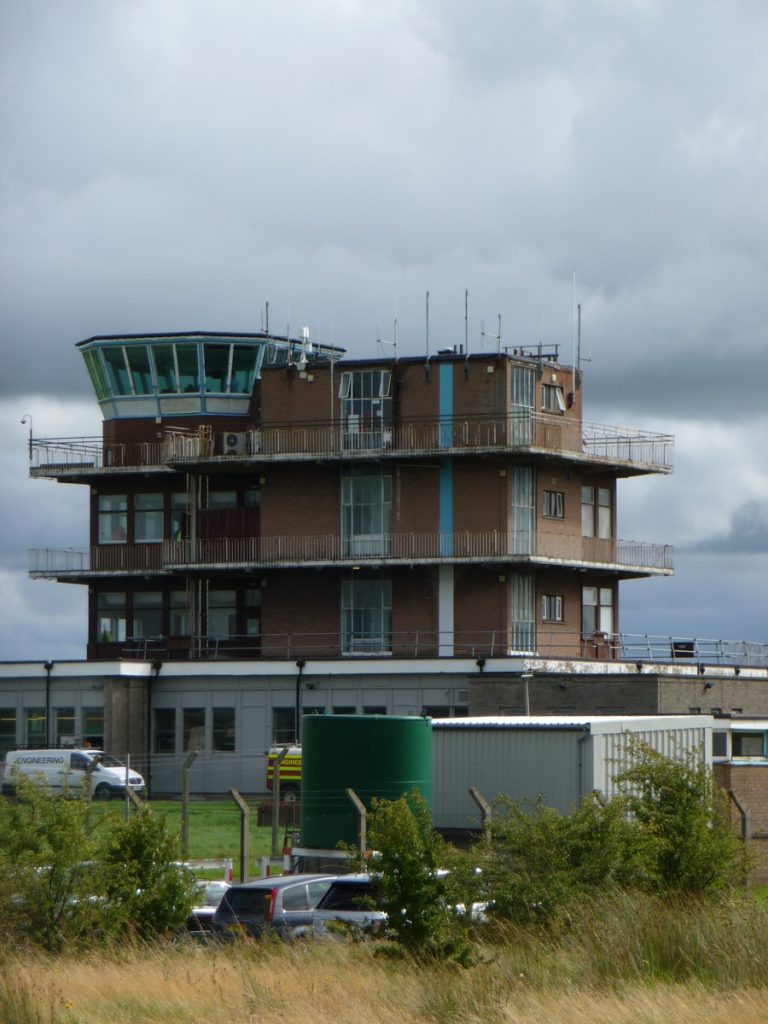
“There has been a further IT issue affecting @NATS. Engineers have fixed the problem and systems are resuming,” Alexander stated. She added, “there may be some delays as things reset.”
Context and Operational Implications
Air traffic control systems are complex networks that integrate radar data, communication channels, and flight planning software. When an IT issue arises, it can force controllers to revert to manual procedures or reduce the volume of traffic they can safely manage, leading to ground stops or airborne holding patterns.
The use of the word “further” in the Secretary’s statement implies that this incident may be part of a series of technical challenges or that the system had experienced prior issues. However, without additional context from the source, the focus remains on the immediate resolution of the current fault.
Impact on Passengers and Airlines
For travelers, the primary impact is likely to be schedule disruptions. Airlines operating in the affected regions may have had to adjust their flight plans, leading to:
- Delayed departures and arrivals
- Potential cancellations if delays become excessive
- Increased fuel consumption due to holding patterns or rerouting
Airlines typically issue their own updates to passengers, but the official confirmation from the Transport Secretary provides a baseline for understanding the severity and current status of the incident.
Analysis: System Resilience and Recovery
The prompt resolution by engineers highlights the importance of rapid response teams in maintaining aviation safety and efficiency. The warning about delays as things reset is a standard operational caution, acknowledging that even after a technical fix, the system requires time to stabilize. This period of stabilization is crucial for ensuring that all aircraft are accounted for and that separation standards are fully restored.
While the specific nature of the IT issue was not detailed in the provided evidence, such incidents often involve software glitches, hardware failures, or network connectivity problems. The fact that the issue was localized to the Prestwick Centre suggests that other air traffic control centers in the UK may have been less affected, though the regional scope of the disruption indicates a significant impact on northern UK aviation.
Future Outlook
As systems resume, aviation authorities and NATS will likely monitor the situation closely to prevent any recurrence. Passengers are advised to check with their airlines for the most up-to-date flight information, as delays may persist for some time after the initial fix.