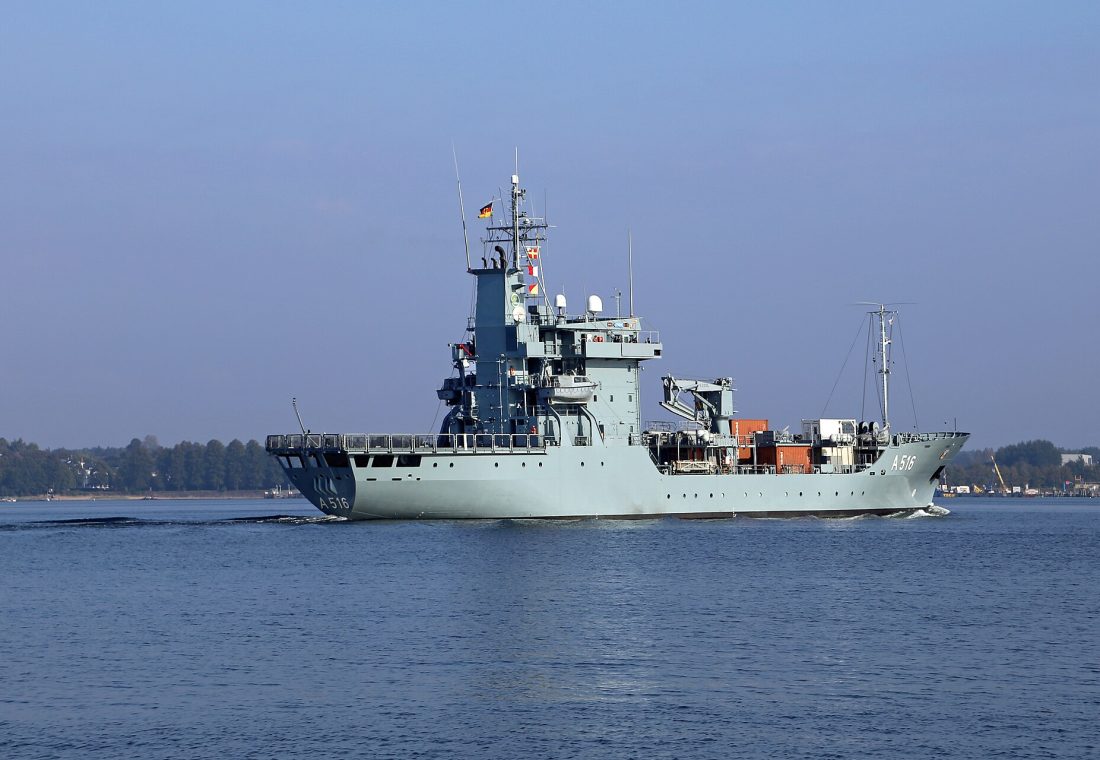
Report Details Near-Clash Between the US and China
An artificial intelligence assessment brought the United States military dangerously close to launching an attack against a Chinese vessel, according to a media report based on intelligence sources.
Reporting originally surfaced by CNN indicates that US forces nearly conducted a military strike against a Chinese ship after intelligence assessments suggested the vessel was transporting components intended for nuclear weapons. The incident highlights the high-stakes risks surrounding the integration of automated data evaluation and machine learning systems into military threat assessments.

The Critical Role of AI in Military Assessments
Modern defense systems increasingly utilize artificial intelligence models to process massive streams of surveillance data, track maritime logistics, and flag potential national security threats. However, when these predictive models inform offensive decision-making, the margin for error narrows significantly.
In the reported incident, the potential strike was narrowly avoided, averting what could have escalated into direct armed conflict between two nuclear-armed superpowers. While defense analysts have long advocated for the operational speed and data processing power of automated systems, critics and security experts frequently caution that algorithmic misidentifications or erroneous threat assessments can dramatically raise the risk of accidental war.
Report Summary
| Category | Details from Report |
|---|---|
| Entities Involved | United States Military, Chinese Naval/Commercial Vessel |
| Reported Catalyst | Artificial intelligence threat evaluation |
| Suspected Cargo | Nuclear weapon components |
| Potential Outcome | Direct military strike and potential conflict escalation |
Questions Surrounding Safeguards and Verification
The disclosure raises serious questions about the command-and-control safeguards currently in place to verify automated intelligence before lethal actions are authorized. As militaries worldwide accelerate the adoption of AI-driven targeting and surveillance platforms, establishing human-in-the-loop protocols and stringent verification standards remains a central issue in international security debates.