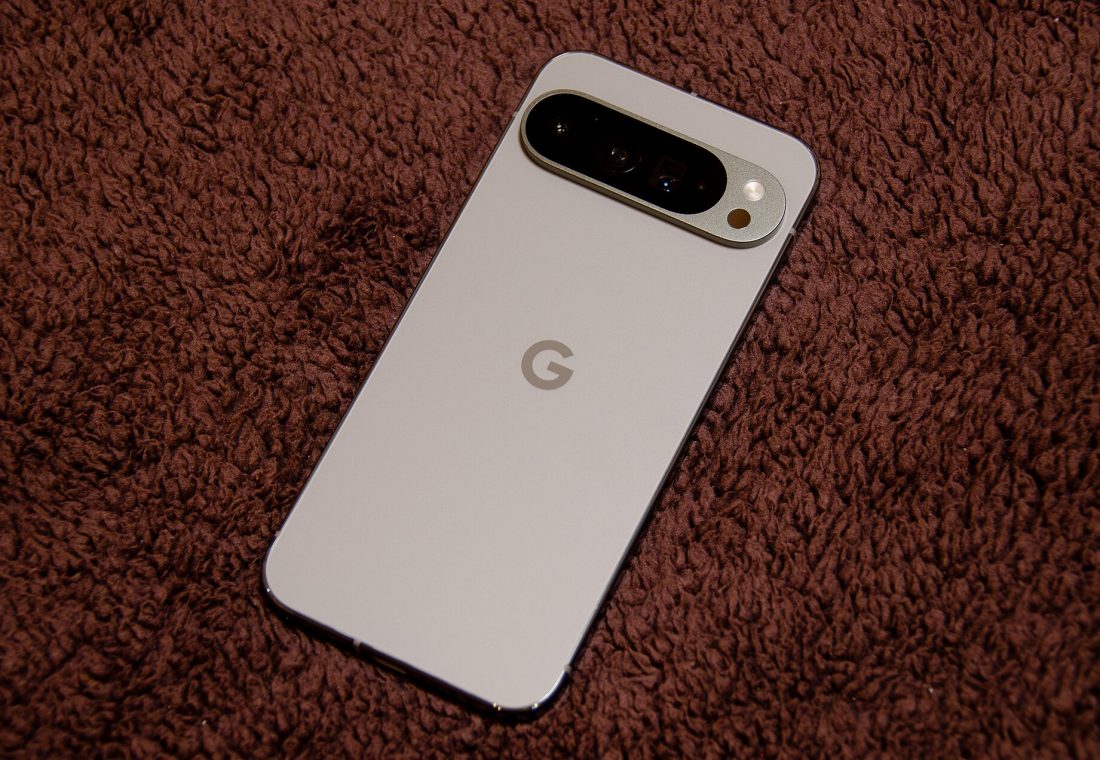
The Google Pixel 11 Pro has established itself as a compelling contender in the premium smartphone market, primarily due to its standout camera capabilities, refined software experience, and a notably compact form factor. While the device has successfully captured the attention of many users and reviewers, a detailed examination reveals that it is not without its shortcomings. Specifically, four distinct areas—gaming performance, battery capacity, charging speeds, and overall weight—present opportunities for Google to further refine the user experience in future iterations or updates.
Strengths: Cameras, Software, and Design
The primary drivers behind the Pixel 11 Pro’s appeal are its imaging hardware and the software ecosystem that supports it. The camera system has been a consistent highlight for the Pixel line, and the 11 Pro continues this tradition. Users have reported that the camera performance is a major factor in the device’s overall appeal, offering high-quality photography that meets the expectations of both casual and enthusiast users.

Beyond the hardware, the software experience plays a crucial role in the device’s reception. Google’s integration of its operating system with the hardware ensures a seamless and optimized user interface. This synergy between software and hardware is often cited as a key differentiator for Pixel devices, providing a clean and efficient experience that complements the hardware capabilities.
Furthermore, the physical design of the Pixel 11 Pro has been well-received, particularly its compact nature. In an era where flagship smartphones are increasingly becoming larger, the decision to maintain a more manageable size has been a significant selling point. This compact design makes the device easier to handle and use with one hand, addressing a common pain point for users who find larger phones cumbersome.
Areas for Improvement: Four Key Issues
Despite these strengths, the Pixel 11 Pro faces criticism in four specific areas that could detract from the overall user experience. These issues highlight where Google can make targeted improvements to enhance the device’s competitiveness.
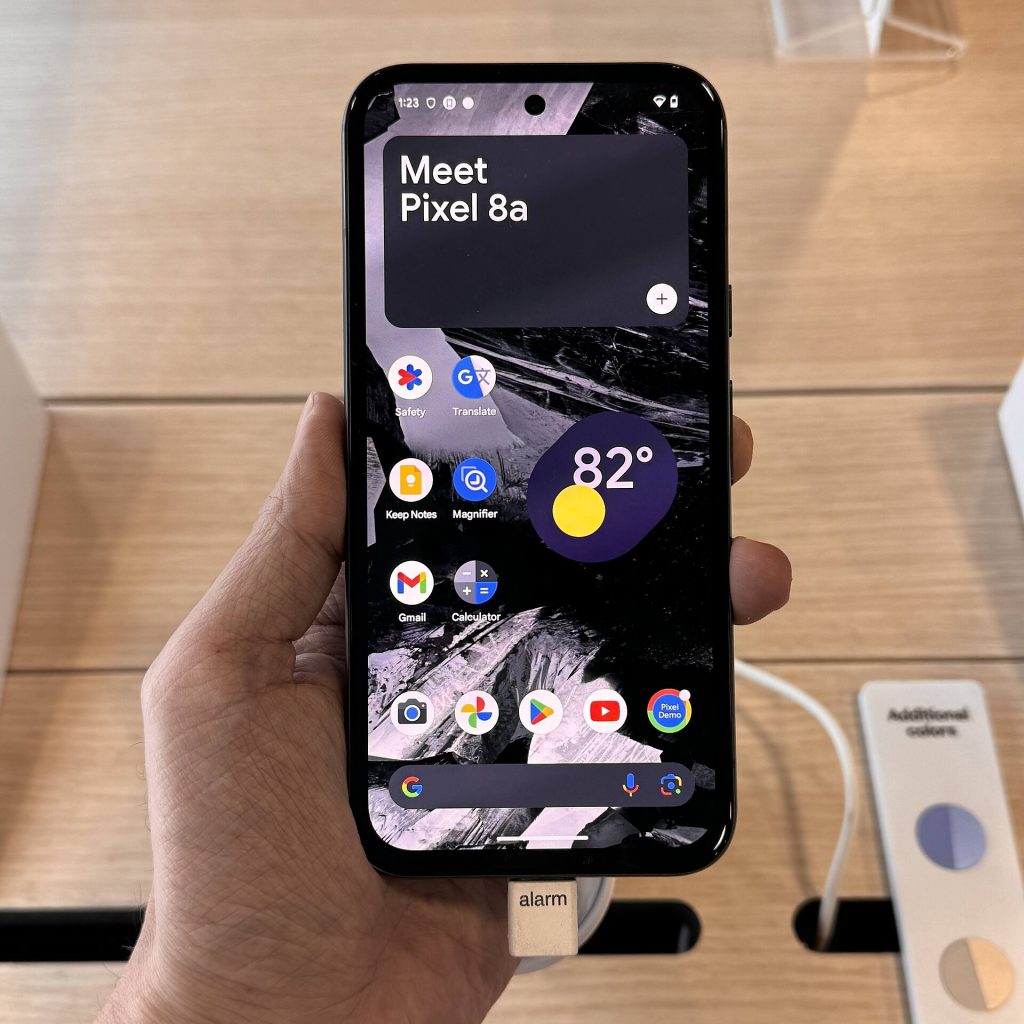
1. Gaming Performance
Gaming performance is one of the primary areas where the Pixel 11 Pro falls short. While the device is capable of running most games, it does not match the high-end performance levels of some of its competitors. This limitation may be due to thermal constraints or hardware specifications that prioritize other features, such as camera processing, over sustained high-performance gaming. For users who prioritize mobile gaming, this could be a significant drawback.
2. Battery Capacity
Battery capacity is another area of concern. The Pixel 11 Pro’s battery life has been noted as insufficient for heavy users or those who rely on their phones for extended periods without access to a charger. This limitation can be particularly frustrating for users who travel frequently or have demanding daily routines. Improving battery capacity would directly address this issue and enhance the device’s overall usability.
3. Charging Speeds
Related to battery capacity, the charging speeds of the Pixel 11 Pro have also been identified as an area for improvement. Slower charging times mean that users must wait longer to replenish their battery, which can be inconvenient in fast-paced environments. Faster charging technology is becoming a standard expectation in the premium smartphone segment, and the Pixel 11 Pro’s current charging speeds may not meet these expectations.
4. Weight
Finally, the weight of the Pixel 11 Pro has been noted as a potential issue. While the device is compact, its weight may still be a consideration for some users, particularly those who prefer lighter devices for extended use. Reducing the weight without compromising the structural integrity or battery capacity would be a significant improvement.
Implications for Future Models
The identification of these four areas for improvement provides a clear roadmap for Google to enhance the Pixel 11 Pro and its successors. By addressing gaming performance, battery capacity, charging speeds, and weight, Google can create a more well-rounded device that appeals to a broader audience. These improvements would not only enhance the user experience but also strengthen the Pixel 11 Pro’s position in the competitive premium smartphone market.
It is worth noting that while these issues are significant, they do not overshadow the device’s strengths. The Pixel 11 Pro remains a highly capable smartphone, particularly for users who prioritize camera quality, software experience, and compact design. However, for those who value gaming performance, battery life, and charging speed, these limitations may be deal-breakers.
Conclusion
The Google Pixel 11 Pro is a strong contender in the premium smartphone market, offering a compelling combination of camera capabilities, software integration, and compact design. However, the device is not without its flaws. By addressing the four key areas of gaming performance, battery capacity, charging speeds, and weight, Google can further enhance the Pixel 11 Pro’s appeal and ensure that it meets the expectations of a wider range of users. As the smartphone market continues to evolve, these improvements will be crucial in maintaining the Pixel 11 Pro’s competitive edge.