Next-Generation Ocean Sensing Technology
Marine exploration is entering a new phase with the development of advanced ocean-sensing drones designed to operate in the most extreme environments on Earth. According to recent reports, these new autonomous underwater vehicles are being engineered to withstand the immense pressures found at the deepest depths of the ocean. The primary objective of this technological advancement is to significantly expand the coverage of global ocean monitoring, with projections suggesting that these systems could cover up to 98 percent of the world’s oceans by the year 2028.
Engineering for Extreme Depths
The core challenge in deep-sea exploration has historically been the durability of equipment under high pressure. Traditional submersibles and sensors often face limitations regarding depth and operational duration. The new generation of drones addresses these constraints by incorporating robust materials and design principles specifically tailored for the deep ocean. By building systems that can withstand the deepest depths, researchers aim to gather data from regions that have previously been inaccessible or too costly to monitor regularly.

Expanding Global Coverage
The target of covering 98 percent of the world’s oceans by 2028 represents a substantial increase in the scope of marine observation. Currently, a significant portion of the ocean floor and water column remains unmapped or poorly understood. These drones are intended to bridge that gap, providing comprehensive data on ocean conditions. This level of coverage is critical for understanding global climate patterns, marine biodiversity, and geological processes.
Implications for Marine Science
The deployment of such extensive drone networks will likely transform the field of oceanography. With more data points available from a wider range of depths and locations, scientists can develop more accurate models of ocean circulation, temperature changes, and chemical composition. This data is essential for predicting climate change impacts and managing marine resources sustainably. The ability to monitor such a vast area also enhances our capacity to detect and respond to environmental changes in near real-time.
Technical Specifications and Capabilities
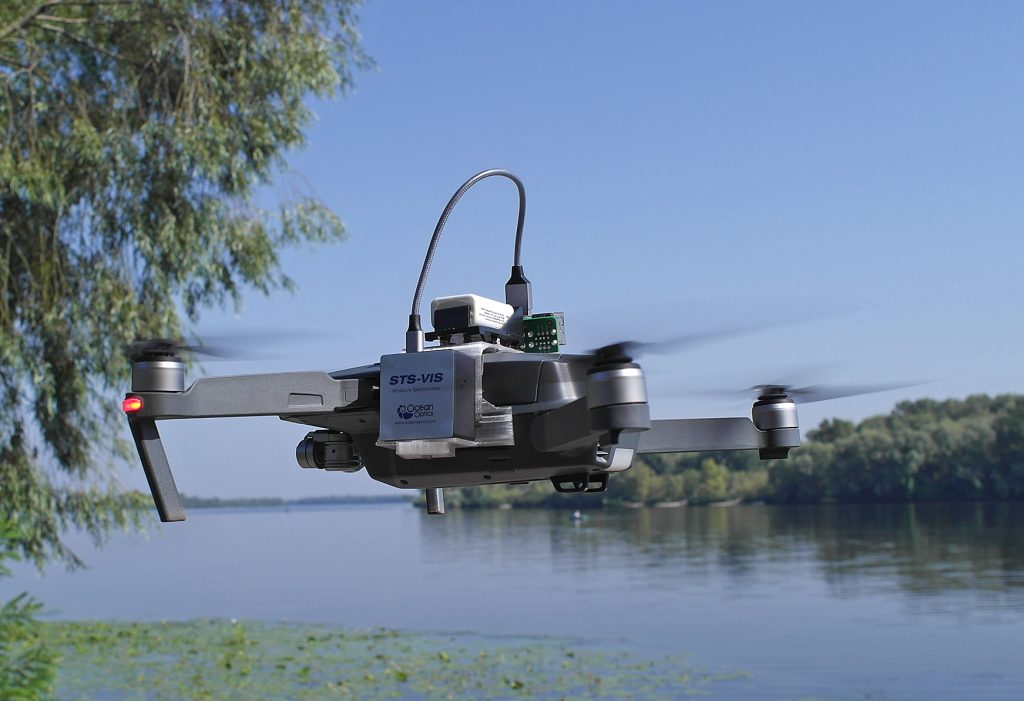
While specific technical details regarding the exact models and manufacturers are not fully detailed in the initial reports, the focus on withstanding the deepest depths indicates a high level of engineering sophistication. These drones likely feature advanced pressure-resistant hulls, efficient power systems for long-duration missions, and sophisticated sensor arrays capable of collecting a wide range of environmental data. The integration of autonomous navigation and communication systems will be crucial for operating in remote and deep-sea environments where human intervention is impossible.
Data Collection and Analysis
The data collected by these drones will be vast and complex. Analyzing such large datasets will require advanced computational tools and machine learning algorithms to identify patterns and anomalies. The goal is not just to collect data, but to derive meaningful insights from it. This could lead to new discoveries in marine biology, geology, and physics, as well as improved understanding of the ocean’s role in the global climate system.
Challenges and Considerations
Despite the promising potential, the deployment of such a large-scale drone network faces several challenges. Ensuring the reliability and maintenance of thousands of autonomous vehicles in harsh ocean conditions is a significant logistical hurdle. Additionally, there are concerns regarding the environmental impact of deploying such a large number of devices in the ocean. Researchers and policymakers will need to carefully consider these factors to ensure that the benefits of expanded ocean monitoring outweigh any potential negative consequences.
Regulatory and Ethical Issues
The use of autonomous underwater vehicles also raises regulatory and ethical questions. International laws governing the use of the ocean, particularly in international waters, will need to be reviewed and potentially updated to accommodate the widespread deployment of these drones. There are also ethical considerations regarding the privacy and security implications of such extensive monitoring. Ensuring that the data collected is used responsibly and for the benefit of global scientific and environmental goals will be essential.
Future Outlook
The development of these new ocean-sensing drones marks a significant step forward in our ability to understand and protect the world’s oceans. By 2028, if the projected coverage of 98 percent is achieved, the impact on marine science and climate research could be profound. This technology has the potential to revolutionize our understanding of the ocean, leading to better-informed policies and more effective conservation efforts. As the technology continues to evolve, it is likely that even more advanced capabilities will be added, further enhancing the scope and depth of ocean monitoring.
Conclusion
The push to cover 98 percent of the world’s oceans by 2028 with new deep-sea drones represents a major milestone in marine exploration. By engineering systems that can withstand the deepest depths, researchers are opening up new frontiers in ocean science. This expanded coverage will provide invaluable data for understanding climate change, marine ecosystems, and geological processes. While challenges remain in terms of logistics, regulation, and environmental impact, the potential benefits of this technology are immense. As the drones are deployed and data begins to flow, the world’s understanding of the ocean is set to deepen significantly.