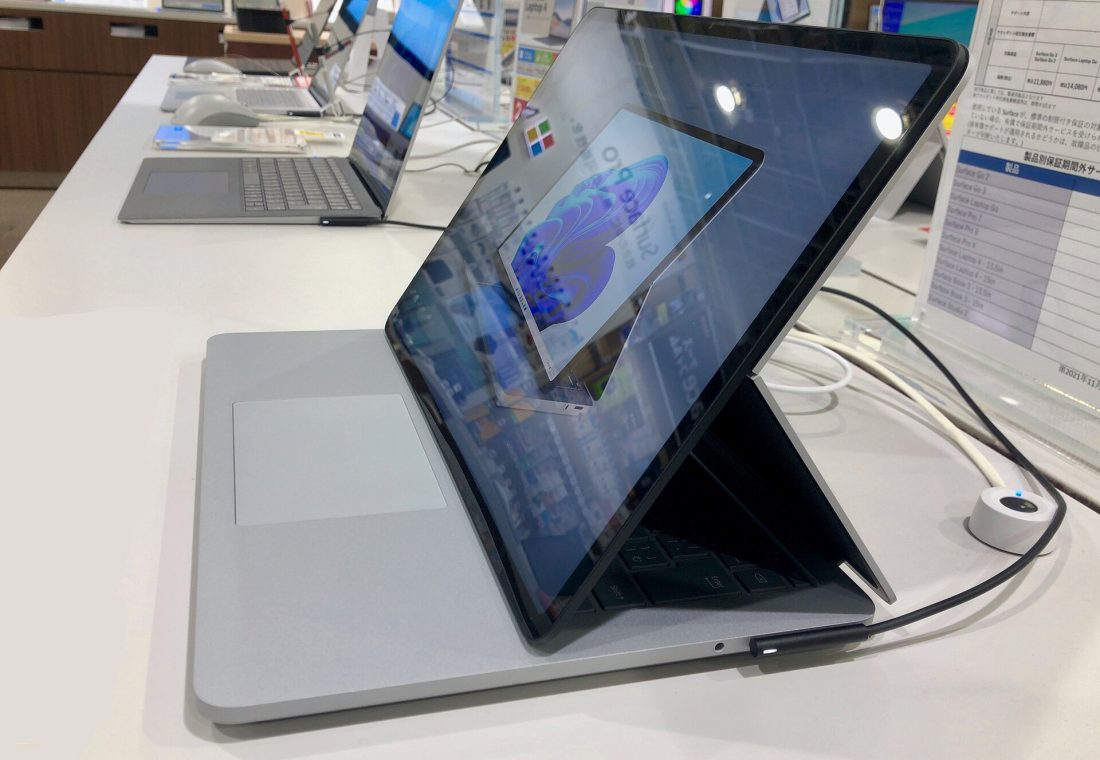
Microsoft’s upcoming Surface lineup is set to highlight a significant shift in personal computing, positioning Qualcomm’s Snapdragon X2 processors as the central engine for on-device artificial intelligence. According to recent reporting, the new hardware is being designed specifically to serve as a showcase for what Qualcomm describes as “agentic AI” capabilities.
The Rise of Local Agentic AI
The core of this technological push lies in the ability to run larger and longer-running AI agents locally on the device. Traditionally, complex AI tasks have relied heavily on cloud-based processing, which introduces latency and privacy concerns. By moving these workloads to the local hardware, manufacturers aim to provide a more responsive and secure user experience.

Qualcomm has stated that the Snapdragon X2 platform is capable of handling these more demanding AI workloads without offloading them to remote servers. This capability is particularly relevant for “agentic” AI, which refers to AI systems capable of performing multi-step tasks autonomously. These agents can plan, execute, and adjust actions based on real-time feedback, a process that requires significant computational power and low latency.
Microsoft’s Strategic Positioning
Microsoft is leveraging its Surface brand to demonstrate the practical applications of this technology. By integrating Snapdragon X2-powered devices into its flagship lineup, the company is signaling a commitment to on-device intelligence. This move aligns with broader industry trends where hardware manufacturers are increasingly differentiating their products through AI performance rather than traditional metrics like raw CPU speed or RAM capacity.
The Surface lineup has historically been a testing ground for Microsoft’s hardware innovations. In this instance, the focus is not just on the operating system or the display, but on the underlying silicon that enables new forms of interaction. The emphasis on “front and center” suggests that marketing and product design will heavily feature the AI capabilities enabled by the Snapdragon X2 chip.
Implications for the PC Market
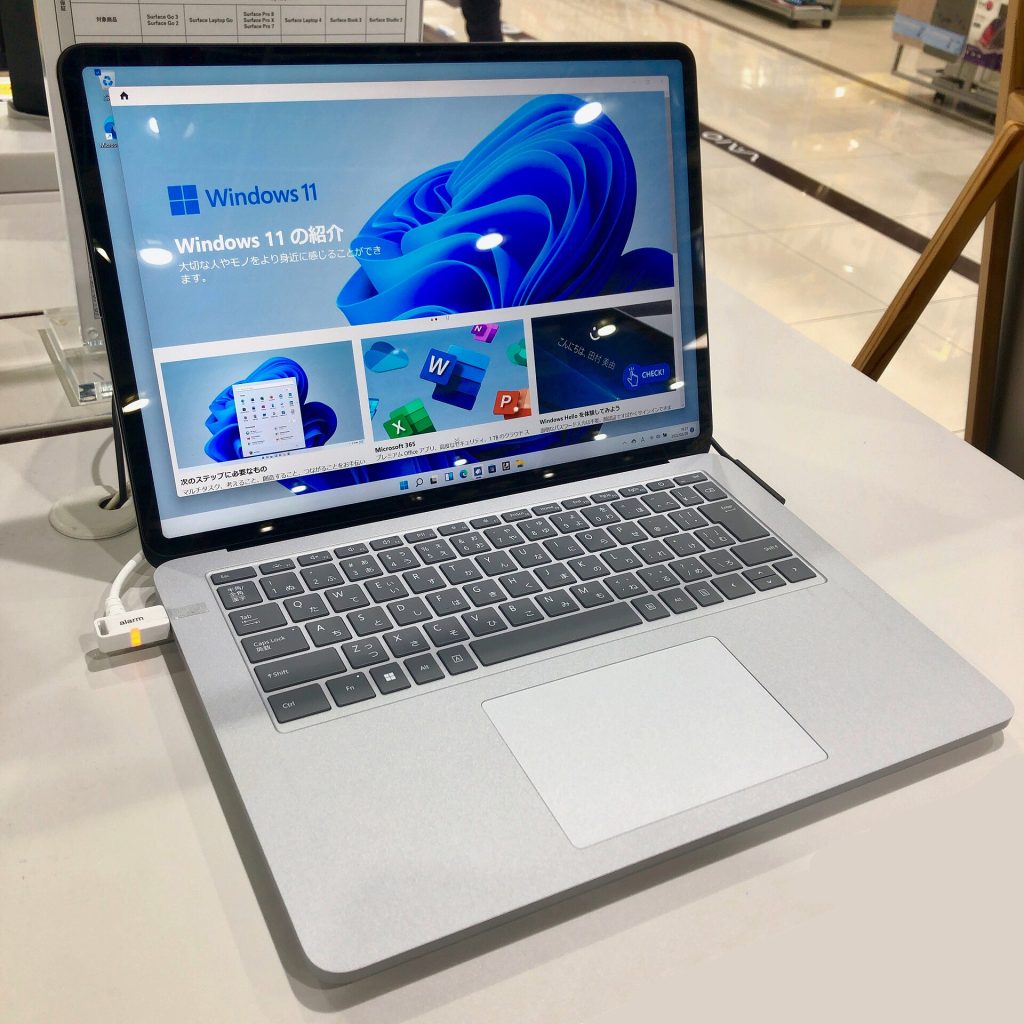
This development underscores a growing partnership between Microsoft and Qualcomm in the realm of AI PCs. As the industry moves toward more sophisticated AI integration, the ability to run these models locally becomes a key selling point. Users may benefit from faster response times, improved battery life due to reduced data transmission, and enhanced privacy since sensitive data remains on the device.
However, the success of this approach will depend on the maturity of the AI agents themselves. For agentic AI to be truly useful, it must be reliable and capable of handling a wide range of tasks without frequent human intervention. The upcoming Surface devices will serve as an early test case for these capabilities in a consumer environment.
Key Takeaways
- Hardware Focus: Microsoft’s new Surface lineup is designed to showcase Qualcomm’s Snapdragon X2 processors.
- Local Processing: The Snapdragon X2 enables larger, longer-running AI agents to run locally on the device.
- Agentic AI: The focus is on AI systems that can perform autonomous, multi-step tasks.
- Strategic Shift: This move highlights a broader industry trend toward on-device AI capabilities as a primary differentiator for PCs.