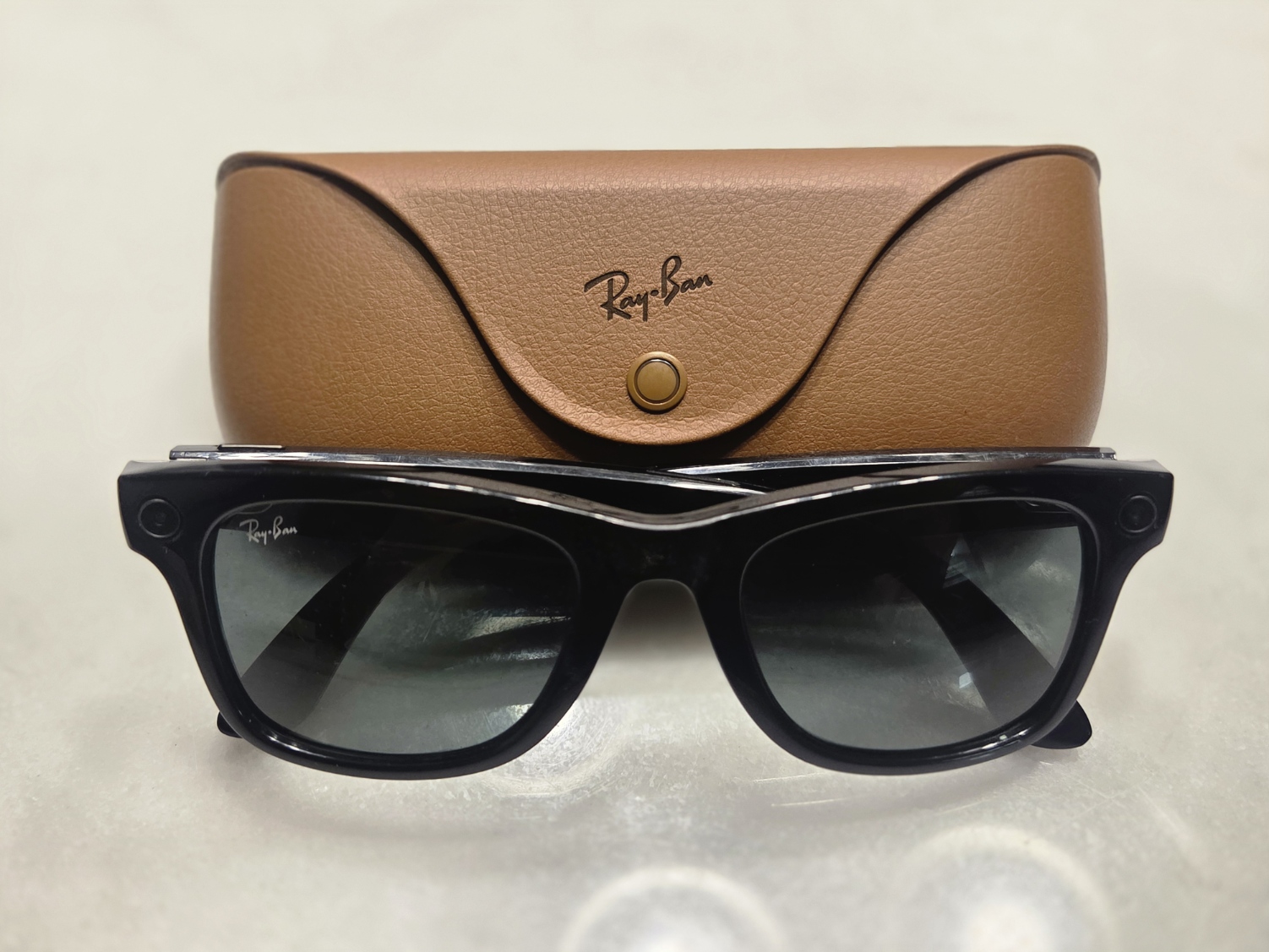
Meta is expanding the capabilities of its wearable technology by integrating its Muse AI agent into its line of AI smart glasses. This integration marks a significant step in the company’s strategy to embed generative artificial intelligence directly into consumer hardware, allowing for a more seamless interaction between the user, their environment, and digital tasks.
Hands-Free AI Assistance
The primary function of the Muse AI agent within the smart glasses is to provide users with hands-free access to an intelligent assistant. Unlike traditional voice assistants that require specific commands or are limited to simple queries, Muse is designed to understand the visual context of the user. By leveraging the camera and sensors in the glasses, the AI can interpret what the user is seeing in real-time.

Visual Understanding and Task Execution
A key differentiator of this implementation is the agent’s ability to not only perceive but also act. The system is engineered to complete tasks on the user’s behalf, moving beyond passive information retrieval to active problem-solving. This capability suggests a shift toward agentic AI, where the system can execute multi-step processes based on visual cues and user intent.
Implications for Wearable Technology
The integration of Muse into smart glasses highlights the evolving role of wearables in the AI ecosystem. As hardware becomes more capable of processing visual data locally or via cloud connectivity, the potential for AI to serve as a proactive partner in daily life increases. This development aligns with broader industry trends where AI agents are becoming more autonomous and context-aware.
Strategic Context
Meta’s move to embed Muse into its smart glasses reflects a broader effort to differentiate its hardware offerings in a competitive market. By combining its advancements in AI with its hardware expertise, the company aims to create a cohesive ecosystem where AI is not just an app, but a fundamental layer of the user experience.

Conclusion
The introduction of the Muse AI agent to Meta’s smart glasses represents a significant milestone in the convergence of AI and wearable technology. By enabling the AI to see and act for the user, Meta is pushing the boundaries of what smart glasses can do, potentially redefining the utility of wearable devices in everyday life.