The landscape of smart home technology is evolving rapidly, moving beyond simple app-based controls toward more robust, customizable, and local-first automation systems. At the forefront of this shift is the combination of Home Assistant, an open-source home automation platform, and the Raspberry Pi, a series of single-board computers. Together, these two technologies offer enthusiasts and homeowners a versatile foundation for building sophisticated home automation setups that are both powerful and accessible.
The Synergy of Open Source and Hardware
Home Assistant has gained significant traction in the tech community due to its flexibility and its ability to integrate with a wide array of smart devices. However, to truly unlock its potential, many users opt to run it on dedicated hardware rather than relying on cloud services or general-purpose computers. This is where the Raspberry Pi comes in. Specifically, the Raspberry Pi 4 and Raspberry Pi 5 models provide the necessary processing power and connectivity to run Home Assistant smoothly, making them ideal hosts for this automation platform.
By pairing Home Assistant with a Raspberry Pi, users can create a local hub that manages their smart home devices with greater reliability and privacy. This setup allows for complex automation logic that goes far beyond the basic on/off commands typically associated with consumer smart lights. The combination enables users to take home automation to new levels, offering a level of control and customization that is difficult to achieve with proprietary, closed-system alternatives.
Why Choose This Combination?
There are several compelling reasons why tech enthusiasts are gravitating toward this specific stack. First, the Raspberry Pi is a low-cost, low-power device that can be left running 24/7 without significant energy consumption. Second, Home Assistant is open-source, meaning the community can continuously improve the platform, add new integrations, and fix bugs without waiting for a corporate vendor to release an update. This collaborative development model ensures that the platform remains relevant and capable of supporting the latest smart home technologies.
Furthermore, running Home Assistant on a Raspberry Pi provides a degree of independence from internet connectivity. While many smart home systems rely on cloud servers to process commands, a local setup can often continue to function even if the internet connection is temporarily lost. This reliability is a critical factor for users who depend on their home automation for security, lighting, and climate control.
Expanding Beyond Basic Controls
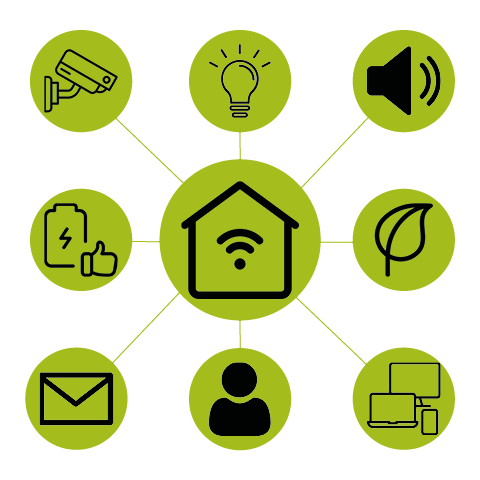
While controlling smart lights is a common entry point for many users, the capabilities of Home Assistant on a Raspberry Pi extend much further. The platform supports a vast ecosystem of integrations, allowing users to connect everything from smart thermostats and security cameras to voice assistants and energy monitoring systems. This versatility means that a single Raspberry Pi can serve as the central brain for an entire smart home, coordinating actions across different devices and brands.
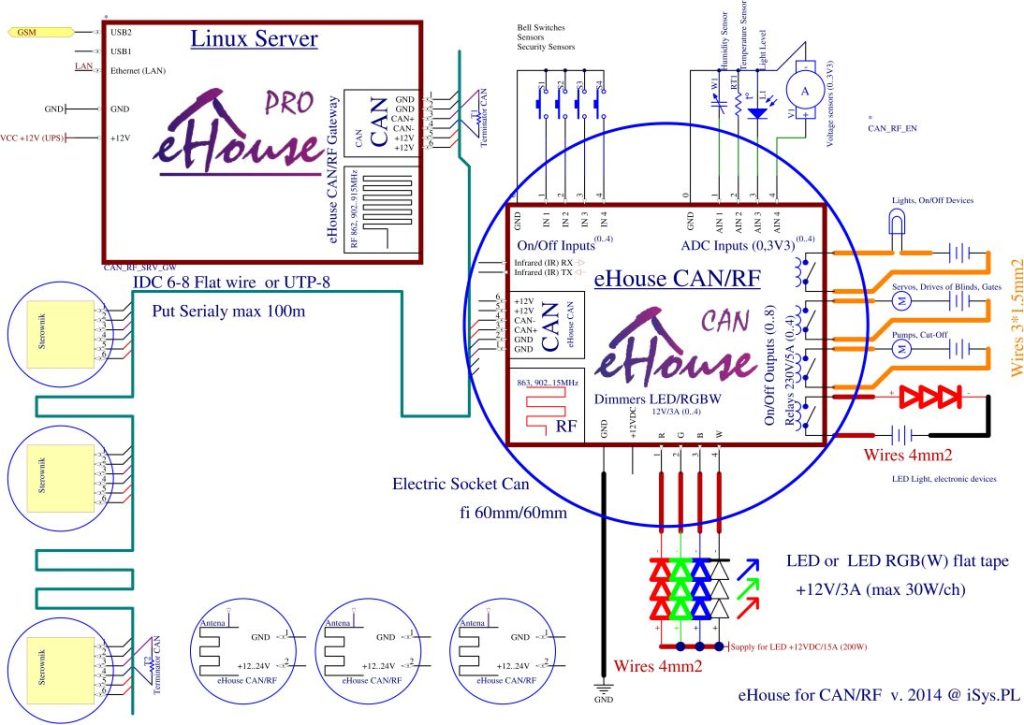
For example, users can create complex automations that trigger multiple actions based on specific conditions. A simple rule might turn on the lights when motion is detected, but a more advanced setup could adjust the thermostat, lock the doors, and send a notification to a smartphone all at once. The ability to customize these workflows is one of the primary draws for users who want to tailor their smart home experience to their specific needs.
Getting Started with the Hardware
For those interested in building their own setup, the hardware requirements are straightforward. A Raspberry Pi 4 or 5, along with a power supply, a micro SD card or SSD for storage, and a case, forms the basic hardware stack. The choice between the Pi 4 and Pi 5 depends on the user’s specific needs, with the Pi 5 offering more processing power for more demanding tasks. Once the hardware is assembled, installing Home Assistant is a relatively simple process, with detailed guides available from the community and official documentation.
It is important to note that while the Raspberry Pi is a capable device, it is not a general-purpose computer. Users should be aware of its limitations, such as its lack of a built-in display and its reliance on external peripherals for input and output. However, for the purpose of running a home automation server, these limitations are rarely a hindrance.
The Future of Local-First Automation
The trend toward local-first automation is likely to continue as more users become aware of the benefits of privacy, reliability, and customization. Home Assistant and Raspberry Pi are well-positioned to lead this trend, offering a proven and scalable solution for smart home enthusiasts. As the smart home market grows, the demand for open-source, user-controlled platforms is expected to increase, driving further innovation in both the software and hardware sectors.
For those looking to dive deeper into the world of smart home automation, exploring the projects and use cases available for Home Assistant on Raspberry Pi is a great starting point. The community is active and supportive, with numerous forums, blogs, and video tutorials available to help users get started and troubleshoot any issues they may encounter.
Conclusion
The combination of Home Assistant and Raspberry Pi represents a powerful and flexible approach to smart home automation. By leveraging open-source software and affordable hardware, users can build a system that is both reliable and customizable. Whether you are a seasoned tech enthusiast or a curious beginner, this combination offers a wealth of possibilities for taking control of your smart home.