
In the world of high-profile success, the distinction between public image and private effort is often blurred. However, a recent reflection on the legacy of Dolly Parton highlights a critical insight into how elite performers sustain their careers. According to a May 2025 report, Parton’s own description of her professional identity offers a blueprint for success that prioritizes consistent labor over celebrity status.
The Workhorse vs. The Show Horse
When asked to describe herself, Dolly Parton famously rejected the label of ‘superstar.’ Instead, she identified as a ‘workin’ girl.’ Her specific metaphor, which has resonated with observers of her career, is that she is a “workhorse that looks like a show horse.”
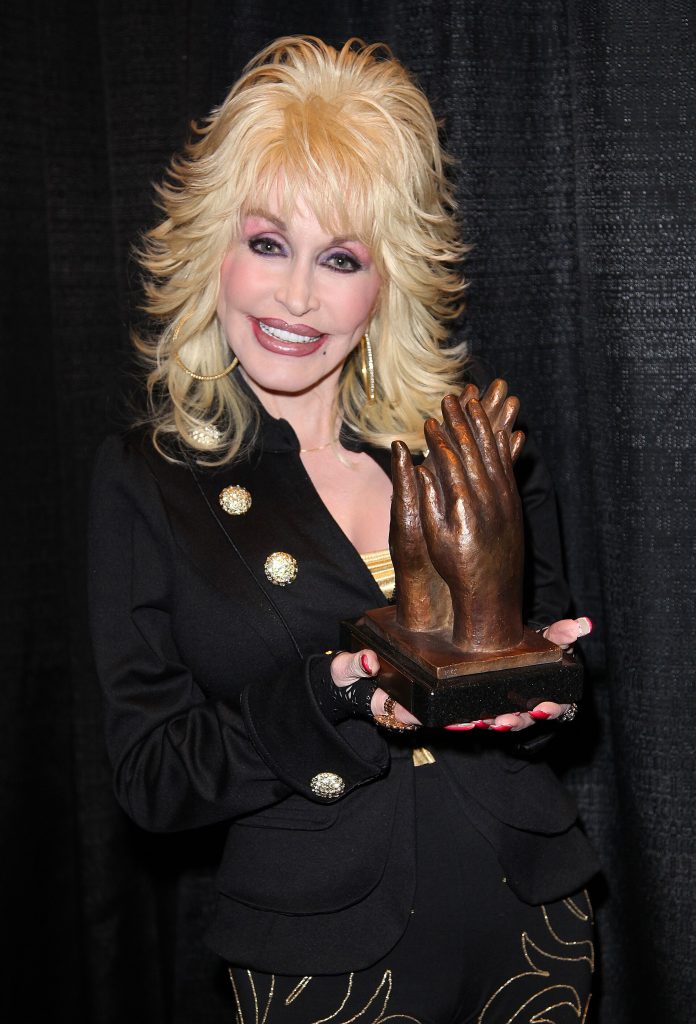
This distinction is central to understanding the mechanics of long-term success in high-visibility industries. A ‘show horse’ is bred and trained for appearance, agility, and public display. A ‘workhorse,’ by contrast, is defined by endurance, reliability, and the capacity to perform heavy labor over extended periods. By framing her identity through the lens of the workhorse, Parton emphasized that her public persona was supported by a foundation of rigorous, unglamorous effort.
Implications for Elite Performers
While the specific article references a broader collection of insights from over 80 elite performers, Parton’s quote serves as a foundational example of this mindset. The evidence suggests that successful individuals often separate their public brand from their internal work ethic. This separation allows them to maintain consistency without being derailed by the volatility of public opinion or the pressure of maintaining a specific image.
For business leaders and entrepreneurs, this concept translates to a focus on operational resilience. Success is not merely about the ‘show’—the marketing, the launch, the public recognition—but about the ‘work’—the daily execution, the problem-solving, and the sustained output that keeps the business running.

Analysis: The Value of Humble Self-Identification
Parton’s choice of words reflects a strategic humility. By identifying as a ‘workin’ girl,’ she grounds her achievements in labor rather than talent or luck. This perspective is particularly relevant in the startup and business sectors, where the narrative of ‘overnight success’ is common but often misleading.
The ‘workhorse’ mentality implies that success is a function of time and effort, not just innate ability. It suggests that the most reliable path to elite performance is not to seek the spotlight, but to build a capacity for work that can withstand the demands of the spotlight.
Key Takeaways for Professionals
- Separate Identity from Image: Define your professional worth by your output and reliability, not your public perception.
- Prioritize Endurance: Build habits and systems that support long-term consistency rather than short-term bursts of energy.
- Embrace the ‘Work’: Recognize that the unglamorous aspects of a job are the foundation of any public success.
As the business landscape continues to evolve, the principles underlying Parton’s self-description remain relevant. In an era where personal branding is often equated with success, the reminder to be a ‘workhorse’ serves as a counterbalance, urging professionals to focus on the substance of their contributions.
Sources