AI Meets Archaeology: Decoding the Gaps in Ancient History
The intersection of artificial intelligence and classical archaeology has produced a new tool designed to address one of the field’s most persistent challenges: the physical fragility of ancient documents. Researchers have developed a large language model (LLM) specifically tailored to analyze and reconstruct tattered fragments of ancient Greek papyri. The primary objective of this technology is to fill in the missing textual gaps, thereby uncovering new details about daily life in the ancient world that were previously obscured by physical decay.
The Challenge of Papyrus Preservation
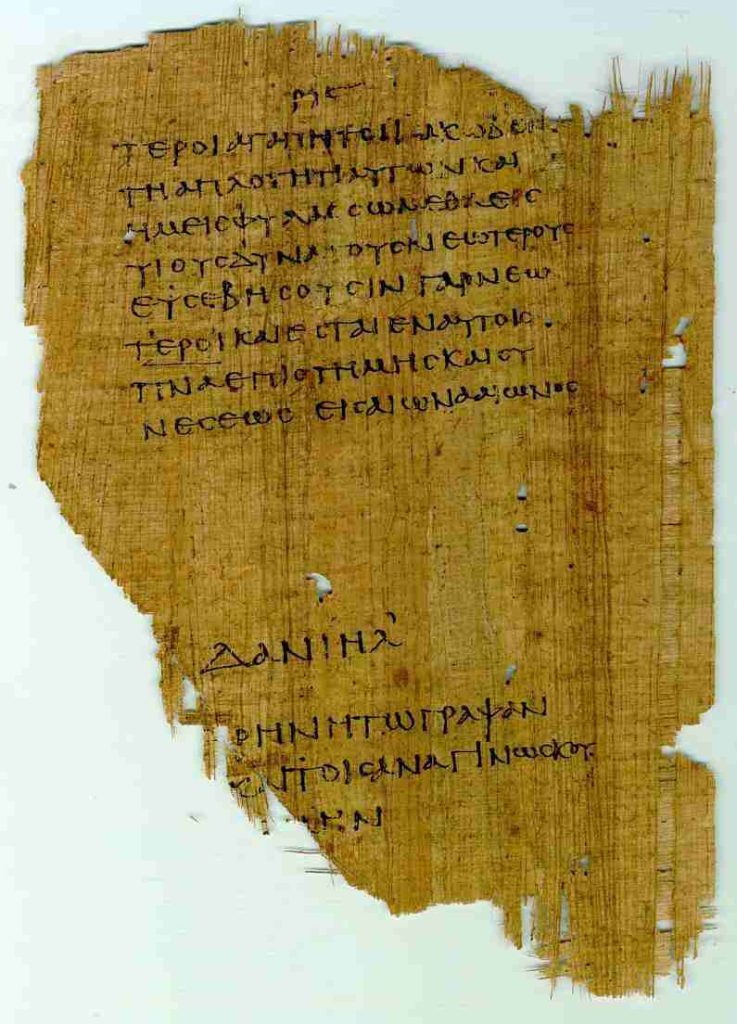
Papyrus, the primary writing material in the ancient Mediterranean, is inherently susceptible to degradation. Over millennia, environmental factors such as humidity, temperature fluctuations, and biological activity cause these documents to tear, fade, and disintegrate. As a result, many surviving fragments are incomplete, with significant portions of the original text lost to time. For historians and linguists, these gaps represent missing data points that can hinder the reconstruction of historical narratives, legal records, and personal correspondence.
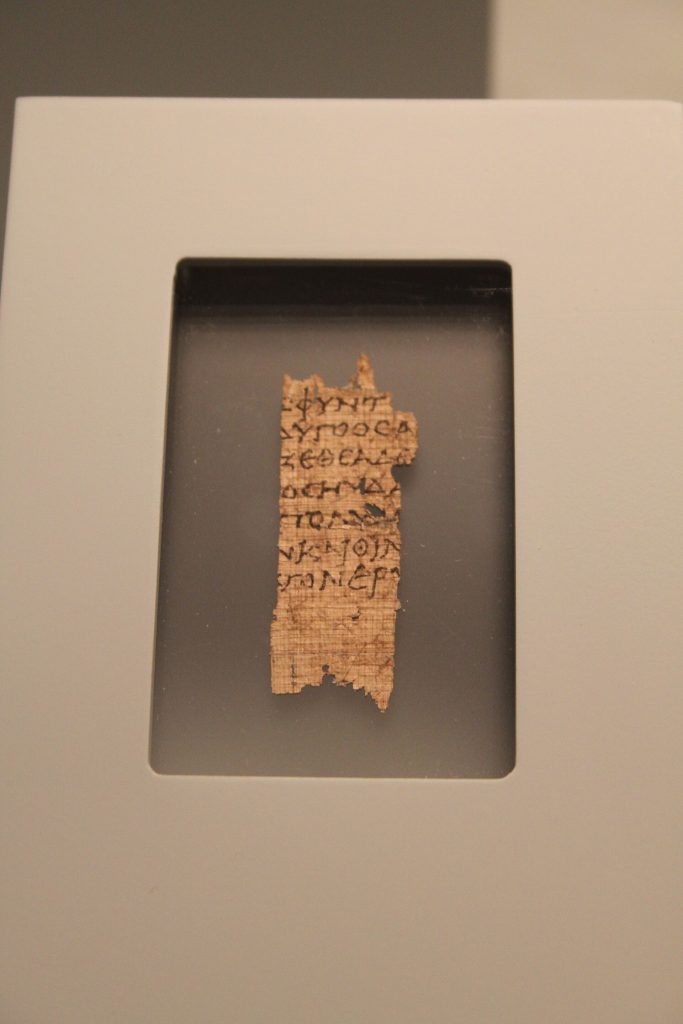
Traditional methods of textual reconstruction rely heavily on the expertise of philologists who use contextual clues, grammatical structures, and comparative analysis of other texts to hypothesize missing words. While effective, this process is time-consuming and subject to human interpretation. The introduction of a specialized AI model offers a complementary approach, leveraging pattern recognition to suggest plausible completions for damaged sections.
How the Model Works
The newly developed model is a large language model trained to understand the specific linguistic and structural characteristics of ancient Greek papyri. Unlike general-purpose LLMs, which are trained on modern internet text, this system is designed to account for the unique constraints of ancient documents, including archaic vocabulary, specific scribal conventions, and the physical layout of the text on the papyrus sheet.
When presented with a fragment containing missing sections, the model analyzes the surrounding text to identify patterns and likely continuations. It generates potential reconstructions that researchers can then evaluate. This process does not replace human judgment but rather provides a set of data-driven suggestions that can accelerate the analysis process and offer new perspectives on ambiguous passages.
Implications for Historical Research
The potential impact of this technology on the study of ancient history is significant. By filling in gaps in papyrus fragments, researchers may be able to recover lost information about economic transactions, legal disputes, religious practices, and social interactions in the ancient Greek world. These details can provide a more nuanced understanding of daily life, moving beyond the narratives preserved in monumental inscriptions or literary works to capture the voices of ordinary people.
Furthermore, the use of AI in this context highlights a broader trend in the digital humanities, where computational tools are being applied to traditional scholarly disciplines. This approach allows for the analysis of large datasets of textual fragments, identifying patterns and connections that might be missed through manual review alone.
Limitations and Ethical Considerations
While promising, the use of AI in textual reconstruction is not without its limitations. The model’s suggestions are probabilistic and may not always reflect the original text accurately. Researchers must carefully verify any AI-generated reconstructions against other evidence to avoid introducing errors into the historical record. Additionally, there are ethical considerations regarding the interpretation of ancient texts, as different reconstructions can lead to different historical conclusions.
Despite these challenges, the development of this specialized LLM represents a significant step forward in the field of digital archaeology. It offers a powerful new tool for scholars seeking to unlock the secrets hidden in the tattered remains of ancient Greek records, potentially revealing new insights into the past that were previously inaccessible.