Streaming and Video Calls Top the List
Unless your phone stays on Wi‑Fi around the clock, it is consuming cellular data nearly all the time. The biggest consumers fall into three categories: streaming media, real‑time video communication, and large system updates.
Streaming Apps
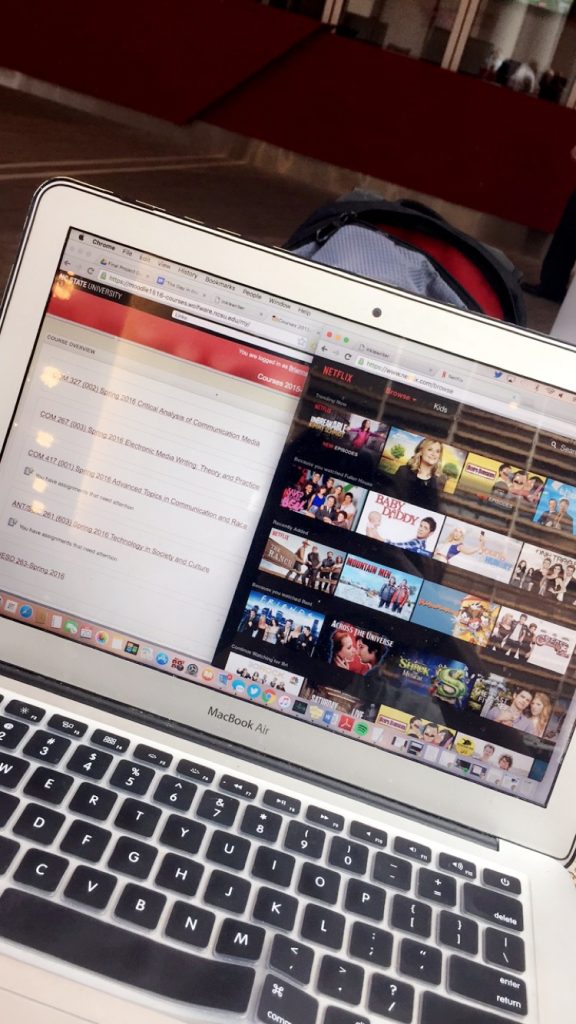
- Video streaming – Services such as Netflix and YouTube push high‑bitrate video that can eat several gigabytes per hour in HD or 4K.
- Music streaming – Spotify and similar platforms use less data per minute than video, but hours of background listening add up quickly.
Video‑Call Software
Applications like Zoom transmit live video and audio in both directions. Group calls at higher resolutions are especially data‑intensive.

System and App Updates
A single major OS upgrade or a batch of app updates can download hundreds of megabytes to multiple gigabytes, often without warning if auto‑update is enabled.
Quick Comparison of Typical Data Use
| Activity | Approximate Data per Hour |
|---|---|
| HD video streaming (Netflix, YouTube) | 3–7 GB |
| 4K video streaming | 7–15 GB |
| Music streaming (Spotify, high quality) | 150–300 MB |
| Group video call (Zoom, 1080p) | 1–2 GB |
| Major OS update | 1–5 GB (one‑time) |
Tips to Reduce Cellular Consumption
- Download movies, playlists, and large updates while on Wi‑Fi.
- Lower streaming quality settings in each app.
- Disable auto‑update for apps and OS over cellular.
- Use data‑saver modes built into iOS and Android.
Sources