
When a personal computer begins to exhibit unusual behavior, such as significant performance degradation or erratic system responses, it is often a sign of underlying security issues. One of the most common culprits behind these symptoms is the presence of malware. For users who suspect their system has been compromised, initiating a thorough security check is the immediate next step.
Identifying Potential Malware Symptoms
Before launching any security tools, it is helpful to recognize the indicators that a PC may be infected. While not every slowdown is caused by malicious software, a combination of the following issues warrants a deeper investigation:
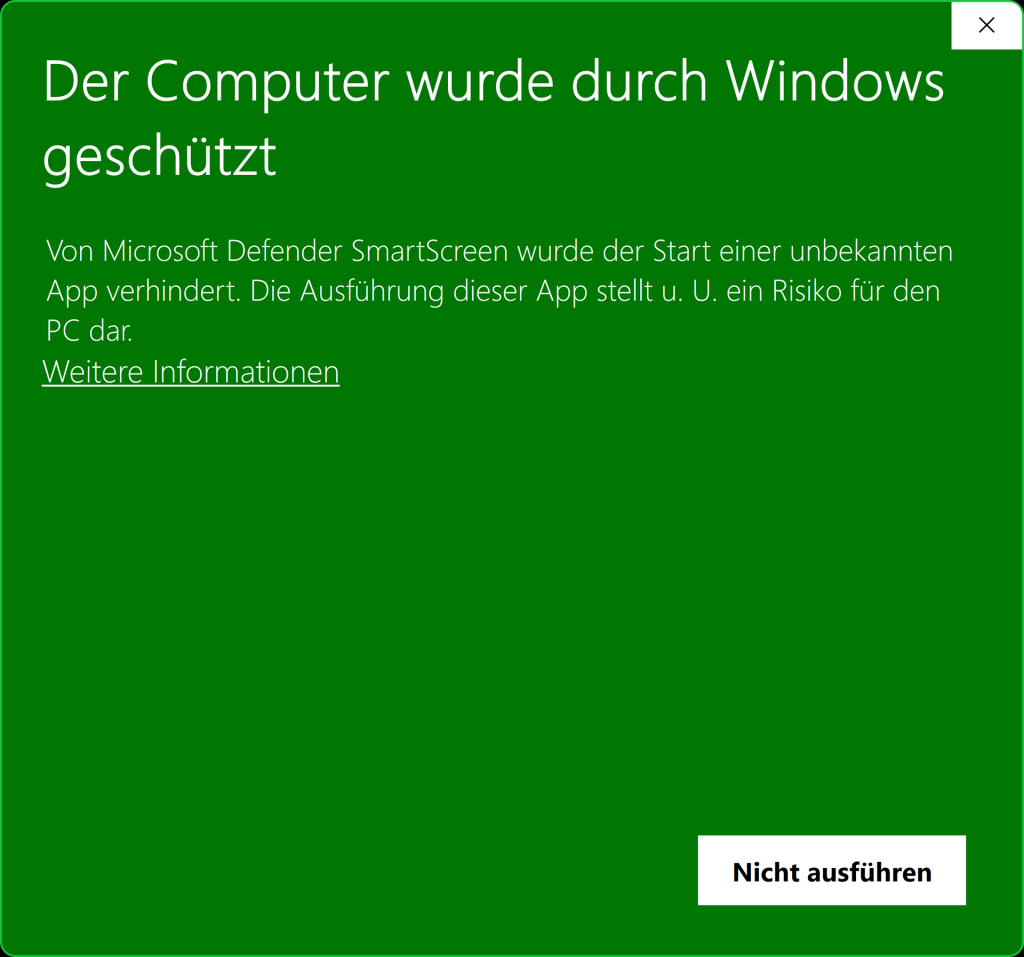
- Performance Decline: The system feels noticeably slower than usual, with applications taking longer to open or the interface becoming unresponsive.
- Unusual Behavior: The computer may perform actions that the user did not initiate, such as opening windows, changing settings, or displaying unexpected pop-ups.
- System Instability: Frequent crashes, blue screens, or unexpected restarts can sometimes be linked to malicious code interfering with system processes.
If your PC is slowing down or not behaving as usual, it is worth running through these diagnostic tips to determine if you have malware. Early detection is crucial for minimizing potential damage to data and system integrity.

Starting with Windows Defender
For the majority of Windows users, the built-in security suite is the most accessible and effective starting point for a malware check. Windows Defender, now often referred to as Microsoft Defender Antivirus, is integrated directly into the operating system and provides real-time protection as well as on-demand scanning capabilities.
Why Windows Defender is a Good Place to Start
Windows Defender is a good place to start for several reasons:
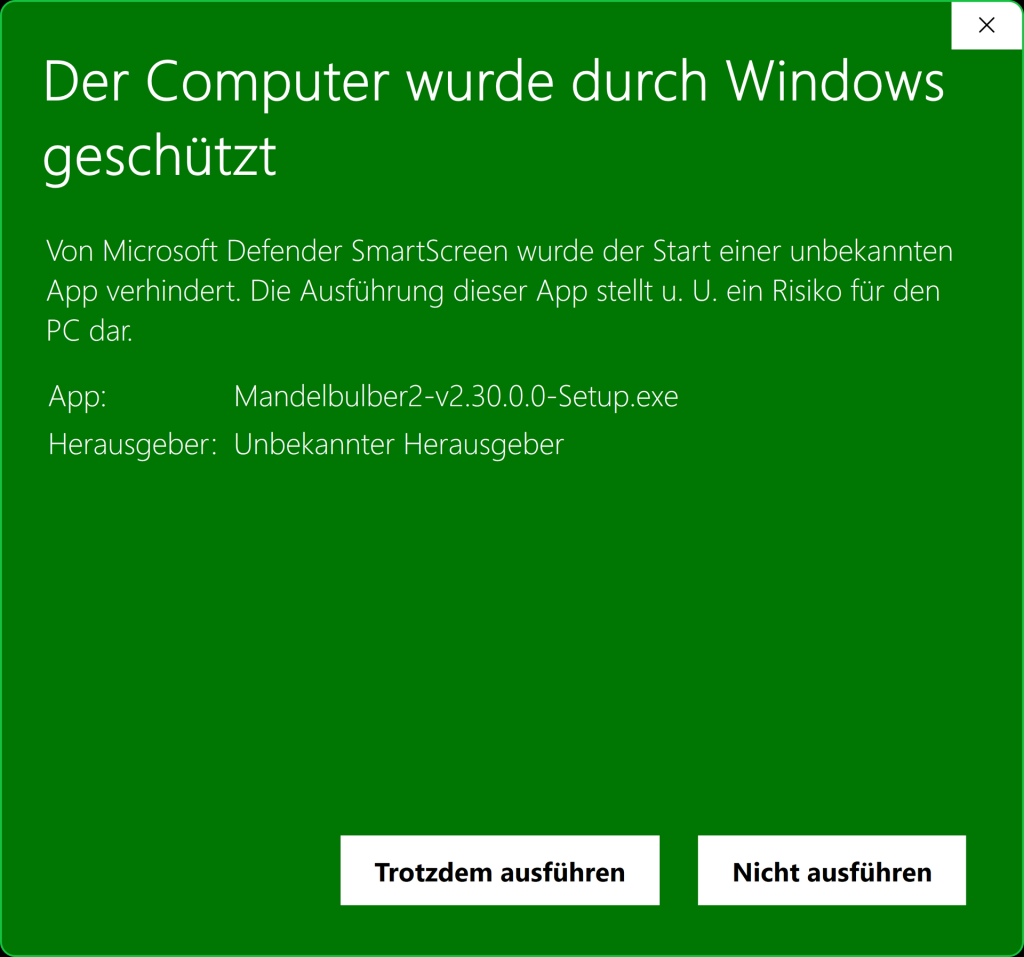
- Integration: Being part of the OS, it has deep access to system files and processes, allowing it to detect threats that third-party tools might miss.
- Automatic Updates: It regularly updates its virus definitions and detection engines, ensuring it is equipped to handle the latest threats.
- No Additional Cost: It is included with Windows, making it a free and readily available solution for all users.
Conducting a Full System Scan
While real-time protection monitors files as they are accessed, a full system scan is necessary to check for malware that may have already established itself on the device. Here is how to initiate a scan using Windows Defender:
- Open Security Center: Click on the Start menu and search for “Windows Security” or “Windows Defender.”
- Navigate to Virus & Threat Protection: Select the “Virus & threat protection” option from the main dashboard.
- Initiate a Scan: Click on “Scan options” to view the different types of scans available.
- Select Full Scan: Choose “Full scan” to ensure that every file on your computer is checked for malware. This process can take a significant amount of time, depending on the size of your hard drive and the number of files present.
- Run the Scan: Click “Scan now” to begin the process. It is recommended to leave the computer on and connected to power during this time.
| Scan Type | Description | Recommended Use Case |
|---|---|---|
| Quick Scan | Checks the most common locations for malware. | Routine checks or when time is limited. |
| Full Scan | Checks every file on the computer. | When you suspect an infection or for periodic deep cleaning. |
| Offline Scan | Restarts the computer and scans before Windows loads. | When malware is preventing standard scans from completing. |
Interpreting Scan Results
Once the scan is complete, Windows Defender will provide a report detailing any threats found. If no threats are detected, your system is likely clean, and the performance issues may be due to other factors such as hardware limitations or software bloat. However, if threats are identified, the tool will typically offer options to quarantine or remove the malicious files.
It is important to follow the on-screen instructions carefully when dealing with detected threats. In some cases, a restart may be required to complete the removal process. After the cleanup, it is advisable to run another scan to ensure that all traces of the malware have been eliminated.
Additional Considerations
While Windows Defender is a robust tool, it is not infallible. If you continue to experience issues after a full scan, or if the scan fails to detect any threats despite persistent symptoms, consider the following steps:
- Update Your System: Ensure that Windows and all installed applications are up to date, as security patches often address vulnerabilities that malware exploits.
- Check for Hardware Issues: Sometimes, performance problems are caused by failing hardware, such as a dying hard drive or insufficient RAM, rather than software issues.
- Consult Professional Help: If you are unable to resolve the issue, seeking assistance from a professional technician may be necessary.
By staying vigilant and regularly checking your PC for malware, you can help ensure that your device remains secure and performs optimally. Regular scans, combined with safe browsing habits and up-to-date software, form the foundation of a strong personal cybersecurity strategy.