
The upcoming summit between President Donald Trump and Chinese President Xi Jinping is poised to redefine the economic landscape between the world’s two largest economies. While traditional trade disputes often center on tariffs and market access, the current negotiation table is dominated by a new set of high-stakes variables: artificial intelligence (AI) and rare earth minerals.
The Interconnected AI Boom
Washington and Beijing have become increasingly entangled in the global AI boom. This technological surge has transformed hardware exports and technological restrictions into significant bargaining chips for both sides. The interdependence of the two nations in this sector means that policy decisions in one country have immediate and profound effects on the other.

Hardware Exports as Leverage
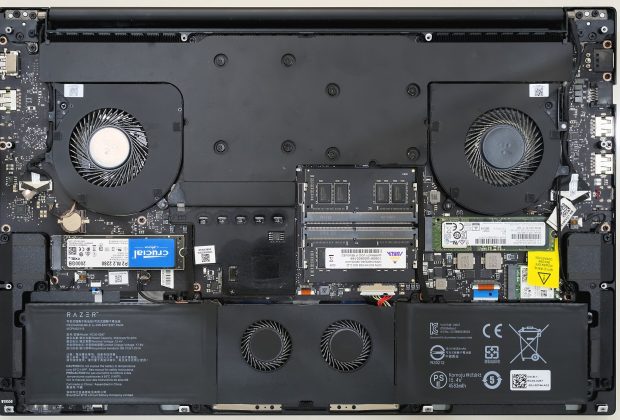
The AI industry relies heavily on specialized hardware, particularly advanced semiconductors and computing infrastructure. As the US and China compete for dominance in AI development, the flow of this hardware has become a critical point of contention. Restrictions on exports can serve as a tool to slow a competitor’s progress, while easing restrictions can be used to foster cooperation or secure other trade concessions.

Technological Restrictions and Countermeasures
Technological restrictions are no longer just about national security; they are now central to economic strategy. Both nations have implemented measures to protect their respective AI industries, leading to a complex web of regulations and counter-regulations. These measures have made the AI sector a primary focus of diplomatic negotiations, with both sides seeking to balance competitive advantage with economic stability.
Rare Minerals: The Hidden Backbone of AI
Beyond the visible hardware, the AI boom is underpinned by a critical supply of rare minerals. These materials, essential for manufacturing semiconductors, batteries, and other high-tech components, are largely controlled by China. This gives Beijing significant leverage in negotiations, as any disruption in the supply of these minerals could have far-reaching consequences for the global tech industry.
Supply Chain Vulnerabilities
The concentration of rare mineral processing in China has created vulnerabilities in the global supply chain. The US and other Western nations have been working to diversify their sources, but this is a long-term process. In the interim, the dependency on Chinese rare minerals remains a key factor in trade negotiations, with both sides aware of the potential impact on the AI sector.
What to Expect from the Summit
The upcoming summit is expected to focus on finding a balance between competition and cooperation in the AI and rare minerals sectors. Both leaders will likely seek to address the immediate concerns of their domestic industries while also laying the groundwork for a more stable and predictable relationship in the long term.
Key Negotiation Points
- AI Hardware Exports: Discussions on the scope and enforcement of export controls on advanced semiconductors and AI chips.
- Rare Mineral Supply: Negotiations on ensuring a stable and reliable supply of rare minerals for the global tech industry.
- Technological Standards: Potential agreements on interoperability and standards for AI systems and hardware.
Broader Implications
The outcome of the summit will have significant implications for the global tech industry and the broader economy. A resolution that eases tensions could lead to increased investment and innovation in the AI sector, while a failure to reach an agreement could result in further fragmentation of the global tech supply chain.
Impact on Global Markets
Investors and industry leaders will be closely watching the summit for signals on the future of US-China relations in the tech sector. Any changes in policy could have immediate effects on stock markets, supply chains, and the pace of AI development worldwide.
Conclusion
The upcoming summit between Trump and Xi Jinping is a critical moment for the global tech industry. The interplay between AI, tariffs, and rare minerals will shape the future of technological competition and cooperation between the US and China. As both nations navigate these complex issues, the world will be watching to see how they balance their competing interests in the AI boom.