

Introduced in the 1870s, the circuit breaker is arguably one of the most important contributions to modern electricity. Go into any home, store or building, and you’ll be able to find the intimidating box of buttons and switches that controls the flow of power to the whole place.
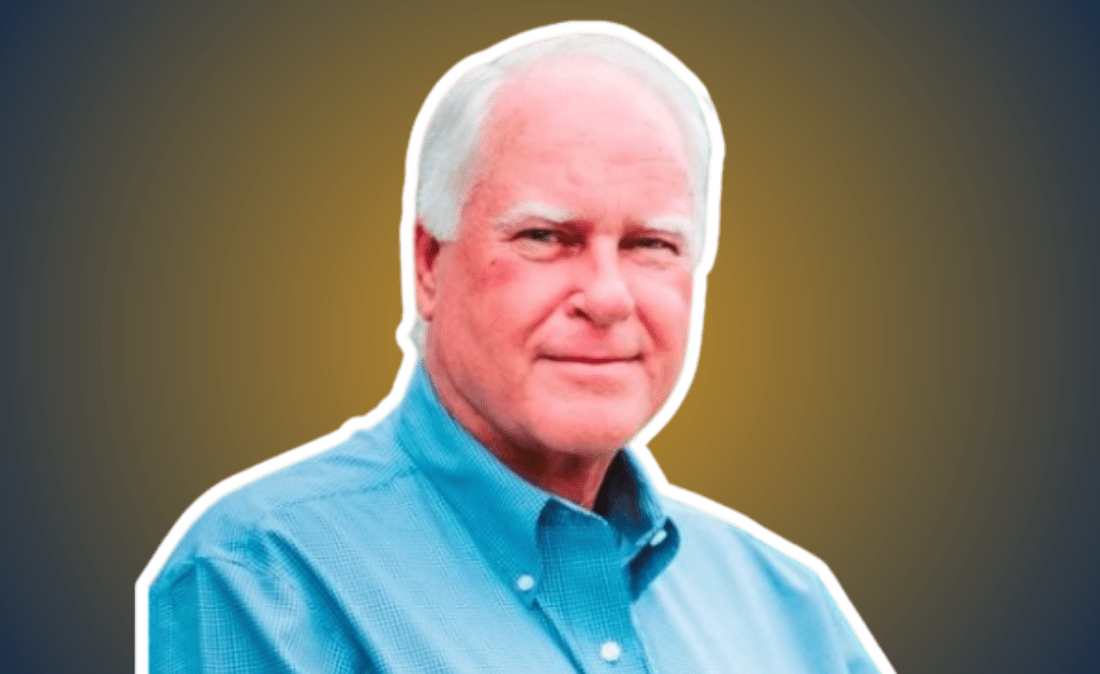
But with the rise in usage of electric vehicles and the increased availability of solar panels, can a box designed for routing power from a grid keep up with the demand for alternative energy? Koolbridge Energy president and CEO Bill Griffin says they can’t.

That’s why the Wilmington-built energy company has taken the leap to revolutionize the way modern home and business owners prioritize where, when and how their energy is used everyday. With their patent-protected Smart Load Center (SLC) technology and breaker boxes, energy can not only be diverted based on need, but can also be monitored and managed to lower rising energy costs.
“In the beginning, all you had was grid and it was good, because it was engineered to capture one incoming source of energy,” Griffin explained. “But in today’s environment, when you add solar, battery, wind and a generator, all of a sudden, a homeowner has potential access to multiple incoming sources of energy. And yet, that basic and fundamental design of the old breaker box, it’s still the backbone of every solution out there.”
Creating the SLC
Griffin said the fact that there is no clear direction for how each of these disparate energy sources could be used is also a problem when there are power outages. That’s how the idea of the SLC came to be for Dr. Paul Dent, the Co-Founder and Chief Scientist for Koolbridge.
When Dent was living in Chapel Hill during Hurricane Fran, his power was out for almost two weeks. Well regarded as an inventor and proficient patent writer, Dent set out on a decades-long journey to create a solution that would efficiently back up power in the modern electrical world. This effort culminated in Koolbridge’s primary solution, the Smart Load Center, which came together thanks to the company’s collection of more than 30 U.S. patents.
Beyond back-up solutions, Griffin said Dent could see the future of multiple energy sources—and that a traditional breaker box would not be able to handle them all. What came emerged from that vision was his design of an energy management platform that could capture two or more incoming energy sources, which could in turn be managed circuit by circuit to the specific loads in the buildings that need it.
“As investments have been made into solar and alternative energies, there are around 4.5 to 5 million homes today that use solar,” Griffin said. “The technology’s really advanced, cost points have come down, it’s growing at a rapid pace. [Our solution] is an incremental component that will make it an even better solution.”

The SLC works by using a dual bus architecture that can be put into the grid and into the inverter. Behind the inverter, Griffin explains, sits the battery, solar, wind, generator sources, and the SLC unit will automatically pull the least expensive and straining source available to the circuits in your home.
“What [this process] does is that it efficiently manages multiple sources of energy for the homeowner, but equally important, it lowers the monthly utility bill because you only use the grid if and when you need to use the grid,” Griffin continued.
For example, when there is a power outage, the SLC can automatically detect and prioritize parts of your homes that need power in that event, and draw the required energy from the sources it’s hooked up to.
“There’s a lot of secret sauce inside the product, obviously, and that’s what’s patent protected, but, essentially, the microprocessors and communications protocols on board [have] algorithms that have been wired in so that the product knows when the utility rates are the highest so as to stay away from them during those high peak times,” Griffin said.
He continued, “In the case of an outage, it’ll monitor all the energy it’s got and as that energy starts to deplete, the [SLC] automatically will shed loads that you have prioritized. So the pool pump goes off first, but the fridge stays on, and it’ll continue to do that on a priority basis based on how the system was programmed.”
Powering up the market
Griffin says the personalization of energy sources in one unit is something no one else in the market has done before. “It’s a whole combination of energy orchestration that’s never been seen,” he said.

An SLC is installed like a normal breaker box. Griffin says installation partners of Koolbridge note that it’s as easy as installing a traditional box. While the company is currently focused on selling their products to solar installers and home builders, the SLC does come with an app that the homeowner can access to manually turn off energy sources in and around their homes. (You can watch this play out in their interactive simulation.)
Koolbridge started shipping the first official editions of their boxes to customers, with additional agreements in place with several solar installers and distributors. Companies using the SLC will be able to offer this solution as part of their own installation packages with homeowners. The current revenue model is a one-time charge to these companies.
Eventually, Griffin envisions establishing another stream of revenue by selling the data behind the SLC’s meter. The unit would collect data on what energy sources each home is utilizing, how much energy is used, where it is going, and how much grid-based is used versus solar. Energy would be free to the homeowner, but Griffin sees this data being useful to utility companies that are looking for solutions to lower energy costs.
“We’ve got 35 granted patents as a little startup company, and it’s pretty cool,” Griffin said. “We’re excited because the product is now ready, and the market has grown towards us. The market is bigger than we even expected it to be.”
Coastal Entrepreneur of the Year
Griffin emphasized that this revolutionary solution should be kept in North Carolina, as it was conceived and built by North Carolinians. “We would like this to be a success story for the state,” he said.
And North Carolina is recognizing the impact. This past May, the startup was named Coastal Entrepreneur of the Year at the 18th annual Coastal Entrepreneur Awards, which is hosted by the Greater Wilmington Business Journal and UNCW’s Center for Innovation and Entrepreneurship (CIE). Griffin said the company was humbled by this recognition.
QUICK BITS
Startup: Koolbridge Energy
Co-Founders: Dr. Paul Dent & Stephen Burnett
Founded: 2013
Team size: 8
Location: Wilmington
Website: koolbridge.com
Funding: Bootstrapped
“It’s elevated us into a position where we can now talk about what we’re doing and go out and get some funding to make sure we can launch this correctly and scale it,” Griffin said. “We got a lot of exposure. There were a lot of people who saw the benefit of what we were doing and after doing this for so long so quietly, it’s very rewarding.”
Koolbridge is looking to be connected with financial partners who are excited to bring their vision further into an exciting future. Griffin emphasized that this startup is not like traditional startups.
Built by an “accumulation of retired business guys” with over 300 years of combined experience in technology and energy systems, Koolbridge is set up at the right time by the right people to bring the right solutions for a more sustainable future.