
U.S. President Trump Signals Shift in Agricultural Trade Strategy
U.S. President Donald Trump has publicly stated that the United States is actively working on a “massive” fertilizer deal with Belarus, a nation that is a close ally of Russia. The announcement highlights a potential pivot in American agricultural procurement, specifically regarding potash, a critical component of fertilizer production.
The Potash Price Advantage
According to reports, the primary driver behind this potential trade agreement is cost efficiency. Trump claimed that potash purchased from Belarus would be substantially cheaper than the potash currently sourced from Canada. This assertion suggests that the administration is looking to reduce costs for U.S. farmers by diversifying supply chains and leveraging lower-priced international markets.
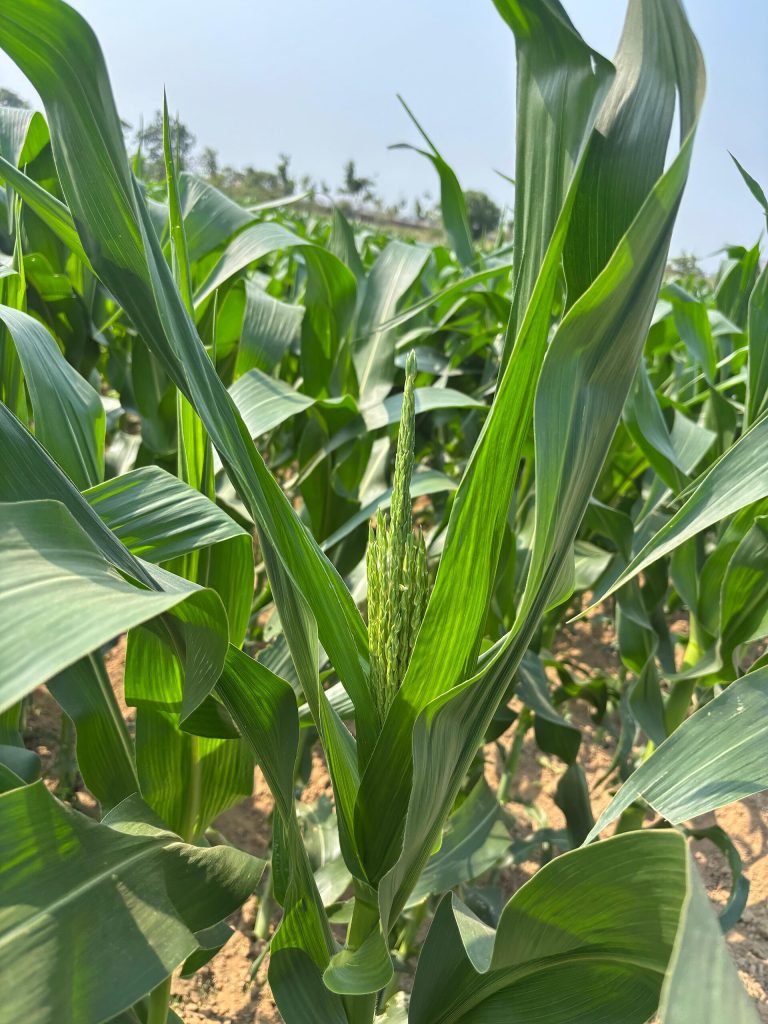
Potash is a mineral salt that is primarily used in the production of fertilizers. It is essential for plant growth, helping to improve crop yields and quality. For the United States, which is a major agricultural producer, the cost and availability of fertilizer inputs are significant economic factors. By seeking a deal with Belarus, the U.S. may be attempting to mitigate price volatility and secure a more affordable supply of this vital resource.

Geopolitical Context and Trade Dynamics
The proposed deal with Belarus carries significant geopolitical weight. Belarus has maintained a close strategic alliance with Russia, particularly in the context of the ongoing conflict in Ukraine. Historically, U.S. policy has included sanctions and trade restrictions aimed at isolating Russia and its allies economically. A “massive” fertilizer deal with Belarus could represent a notable shift in this approach, or at least a pragmatic exception to broader sanctions regimes, prioritizing agricultural economic interests over strict geopolitical isolation.
Canada has traditionally been a major supplier of potash to the United States. The claim that Belarusian potash is “substantially cheaper” implies a significant price differential that could influence long-term trade relationships. If the deal proceeds, it could reshape the North American fertilizer market, potentially reducing Canada’s market share in the U.S. and altering the balance of trade between the two countries.

Implications for U.S. Agriculture
For U.S. farmers, the potential for lower fertilizer costs is a direct economic benefit. Fertilizer is one of the largest input costs for many crops. A reduction in the price of potash could translate to higher profit margins for agricultural producers, potentially making U.S. crops more competitive in global markets. However, the reliability and long-term stability of the Belarusian supply chain remain questions that stakeholders in the agricultural sector will likely scrutinize.
The announcement also raises questions about the broader implications for U.S. trade policy. By engaging in a significant trade deal with a Russian ally, the administration may be signaling a willingness to engage in bilateral trade agreements that prioritize economic outcomes, even in the face of geopolitical tensions. This approach could have ripple effects on other trade relationships and sanctions policies.
Market Reaction and Future Outlook
While the deal is described as “massive” and currently in the working phase, the final terms and conditions have not been fully detailed. Market participants, including fertilizer producers, agricultural exporters, and commodity traders, will be watching closely for further developments. The potential shift in potash sourcing could impact commodity prices, supply chain logistics, and the competitive landscape of the global fertilizer market.
As the U.S. continues to navigate complex geopolitical and economic landscapes, the pursuit of cost-effective agricultural inputs remains a priority. The Belarus deal, if finalized, would be a significant step in diversifying U.S. fertilizer sources and potentially lowering costs for the agricultural sector. However, the geopolitical implications of trading with a Russian ally will likely remain a subject of intense debate and analysis in both policy and business circles.
Key Points
- U.S. President Trump announced the U.S. is working on a “massive” fertilizer deal with Belarus.
- The deal focuses on potash, a key fertilizer ingredient.
- Trump claimed Belarusian potash is substantially cheaper than Canadian potash.
- Belarus is a close ally of Russia, adding a geopolitical dimension to the trade agreement.
- The move could reduce costs for U.S. farmers and shift the balance of trade with Canada.
Sources
Forbes: Trump Says U.S. Is Working On ‘Massive’ Fertilizer Deal With Russian Ally Belarus