
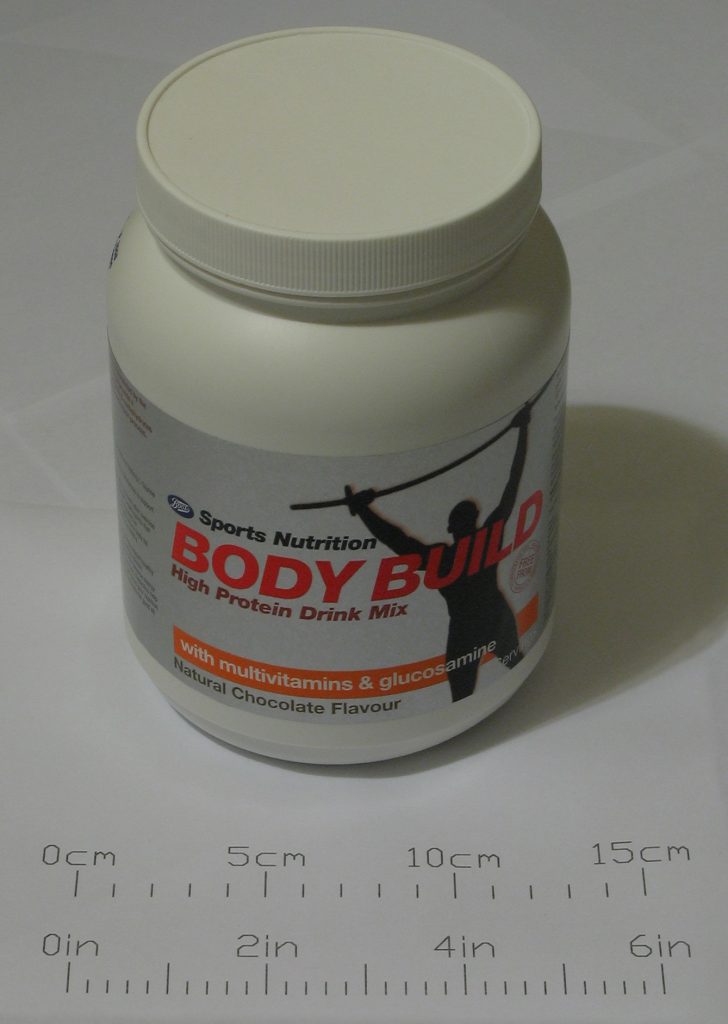
While creatine is widely recognized in the fitness industry as a staple supplement for muscle growth and athletic performance, emerging research suggests its benefits may extend significantly beyond the gym. A recent small-scale human study indicates that high-dose creatine supplementation could potentially improve cognitive function, specifically memory, in individuals living with Alzheimer’s disease.
From Muscle to Memory: Expanding the Scope of Creatine Research
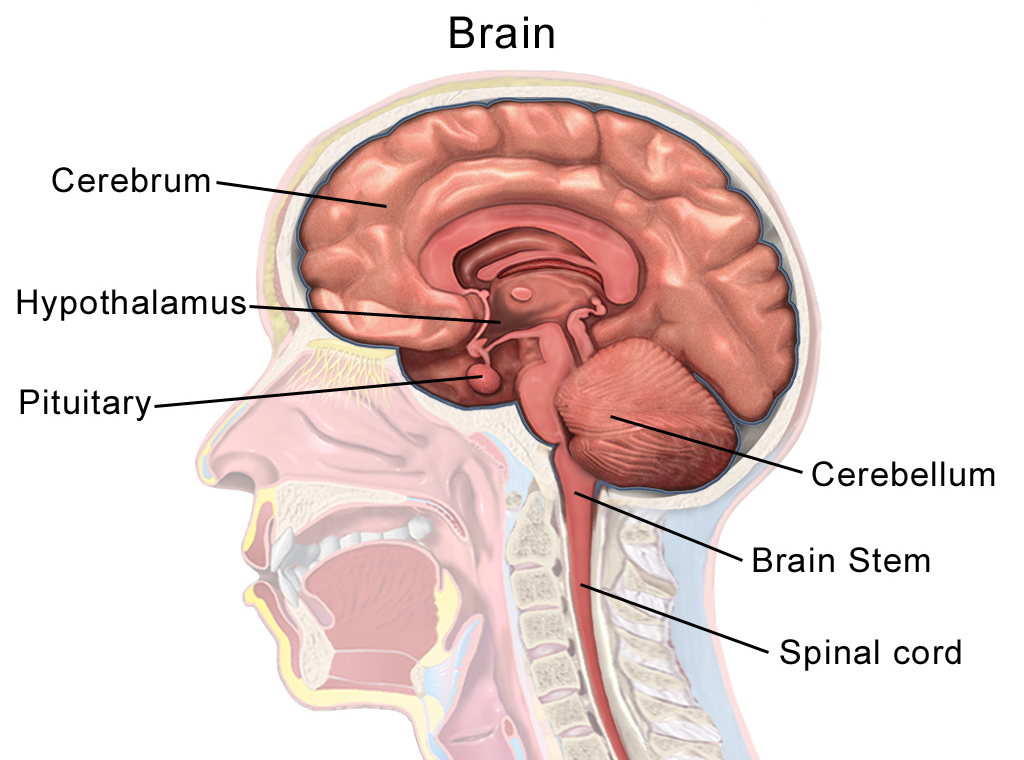
For decades, creatine has been the go-to supplement for bodybuilders and athletes seeking to enhance strength and muscle mass. However, scientists have increasingly turned their attention to the compound’s role in brain health. The brain is one of the most energy-demanding organs in the human body, and creatine plays a crucial role in cellular energy production. In neurodegenerative conditions like Alzheimer’s, where energy metabolism is often compromised, supporting this process could be vital.
The study in question represents a first-of-its-kind investigation into the direct effects of high-dose creatine on brain levels in human subjects with Alzheimer’s. The findings suggest that the supplement does not just remain in the muscles but can effectively cross the blood-brain barrier to increase creatine concentrations in the brain.

Key Findings from the Study
The research focused on a small group of participants, making it a preliminary but significant step in understanding the potential therapeutic applications of creatine for cognitive decline. The primary metric of success was the increase in brain creatine levels, which is a necessary precursor for any potential cognitive benefits.
- Brain Creatine Increase: Participants who took high-dose creatine supplements showed an 11 percent increase in brain creatine levels.
- Target Population: The study specifically examined individuals with Alzheimer’s disease, a condition characterized by progressive memory loss and cognitive decline.
- Novelty: This is described as a first-of-its-kind human study, highlighting the novelty of directly measuring brain creatine levels in this specific patient population.
Why Brain Creatine Levels Matter
Creatine helps regenerate adenosine triphosphate (ATP), the primary energy currency of cells. In the brain, adequate ATP levels are essential for maintaining neuronal health, synaptic plasticity, and overall cognitive function. In Alzheimer’s disease, there is evidence of impaired energy metabolism, which may contribute to the progression of the disease.

By increasing brain creatine levels, the supplement may help support this energy production, potentially slowing the rate of cognitive decline or improving specific functions like memory. The 11 percent increase observed in the study is a tangible biological change that provides a foundation for further research into clinical outcomes.
Implications for the Supplement Industry and Healthcare
This study presents a greater opportunity for the supplement industry to explore new markets beyond fitness. As the global population ages, the demand for interventions that support brain health is growing. Creatine, being a well-known, generally safe, and affordable supplement, could become a key player in the prevention and management of neurodegenerative diseases.
However, it is important to note that this is a small study. While the increase in brain creatine levels is promising, more extensive clinical trials are needed to determine if this biological change translates into significant improvements in memory and daily functioning for Alzheimer’s patients. Researchers emphasize that these findings are a starting point, not a definitive cure.
Future Directions
Researchers involved in the study suggest that these findings open the door for larger, more comprehensive trials. Future studies will likely focus on:
- Larger Sample Sizes: To confirm the results and ensure statistical significance.
- Cognitive Outcomes: Measuring specific improvements in memory, attention, and other cognitive domains.
- Long-Term Effects: Understanding the safety and efficacy of long-term creatine supplementation in this population.
If subsequent studies confirm the benefits, creatine could become a recommended adjunct therapy for Alzheimer’s patients, offering a non-invasive and accessible option to support brain health.
Conclusion
The potential of creatine to improve memory in people with Alzheimer’s is a compelling development in the field of neurodegenerative disease research. While the evidence is still in its early stages, the 11 percent increase in brain creatine levels provides a strong biological rationale for further investigation. As research progresses, creatine may soon be recognized not just as a muscle builder, but as a vital tool for maintaining cognitive health in aging populations.