
The landscape of oncology is undergoing a significant shift as personalized cancer vaccines move from experimental concepts to a focal point of major pharmaceutical strategy. At the center of this development is the intersection of two industry giants, Moderna and Merck, whose combined efforts are highlighting the potential of mRNA technology to transform cancer treatment.
The Rise of Personalized Oncology
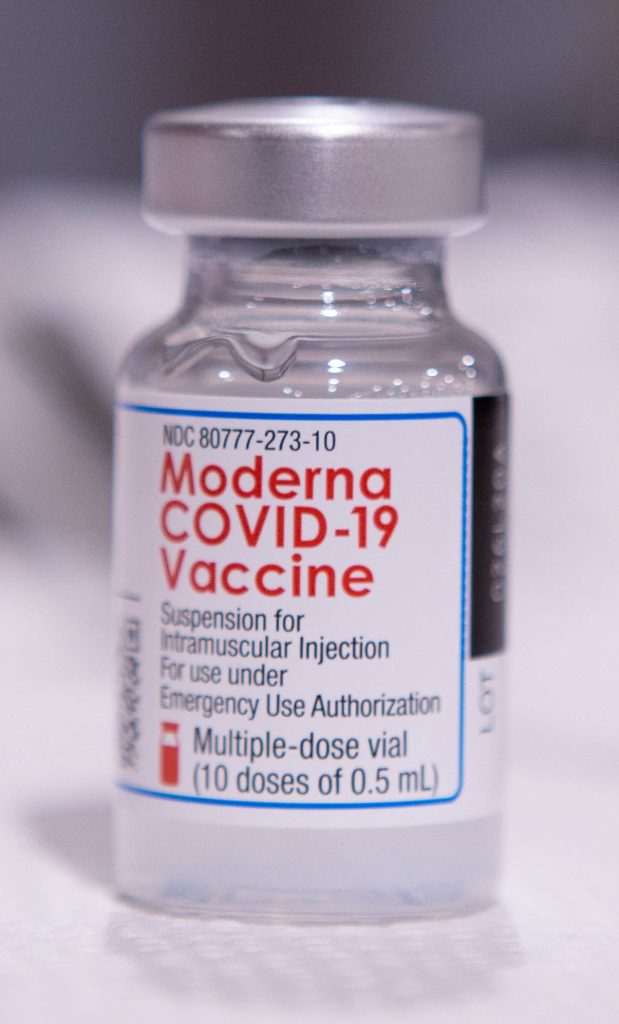
Personalized cancer vaccines are attracting growing attention within the medical and business communities. This surge in interest is driven by recent advances in mRNA technology, which have opened up new possibilities across the field of oncology. Unlike traditional vaccines that target specific pathogens, these novel therapeutics are designed to be tailored to the unique genetic profile of an individual patient’s tumor.
Technological Foundations
The core of this innovation lies in the ability to sequence a patient’s tumor and identify specific mutations, or neoantigens, that distinguish cancer cells from healthy tissue. By leveraging mRNA platforms, companies can rapidly synthesize vaccines that train the patient’s immune system to recognize and attack these specific targets. This approach represents a departure from one-size-fits-all treatments, offering a precision medicine model that could potentially improve outcomes for patients with difficult-to-treat cancers.

Strategic Implications for Major Players
The involvement of both Moderna and Merck in this space underscores the strategic importance of personalized vaccines. For Moderna, a company already established in the mRNA vaccine sector, expanding into oncology represents a natural extension of its technological capabilities. For Merck, a long-standing leader in pharmaceuticals, partnering or collaborating in this area signals a commitment to integrating cutting-edge biotechnology into its broader therapeutic portfolio.
Market Dynamics
The “balance” in the title refers to the delicate interplay between technological promise and commercial viability. While the scientific potential is clear, the path to widespread adoption involves navigating complex regulatory hurdles, manufacturing challenges, and high development costs. The market is currently in a phase where the feasibility of these treatments is being rigorously tested, with both companies positioning themselves to lead in a sector that is rapidly gaining momentum.

Analysis: The Path Forward
Analysis: The convergence of Moderna’s mRNA expertise and Merck’s pharmaceutical reach suggests a robust pipeline for future cancer therapies. However, the success of personalized vaccines will depend on their ability to demonstrate consistent clinical efficacy and cost-effectiveness. As the technology matures, the focus will likely shift from proof-of-concept to scalable production and real-world application, marking a new era in how cancer is treated.