
Letting Go of Secondhand Stigma
For many years, the idea of shopping at thrift stores carried a quiet shame for me. As a struggling single mom, I associated secondhand clothing with scarcity and judgment. That perspective shifted unexpectedly through conversations and shared experiences with my four daughters-in-law, who helped reframe thrifting as something far more positive.
A New Perspective on Secondhand Shopping
My daughters-in-law approached thrifting with enthusiasm rather than embarrassment. They spoke about the thrill of finding unique pieces, the value of sustainable shopping, and the joy of discovering items with character. Their attitude challenged my long-held assumptions about what it meant to buy used goods.

Building Bonds Through Shared Hunts
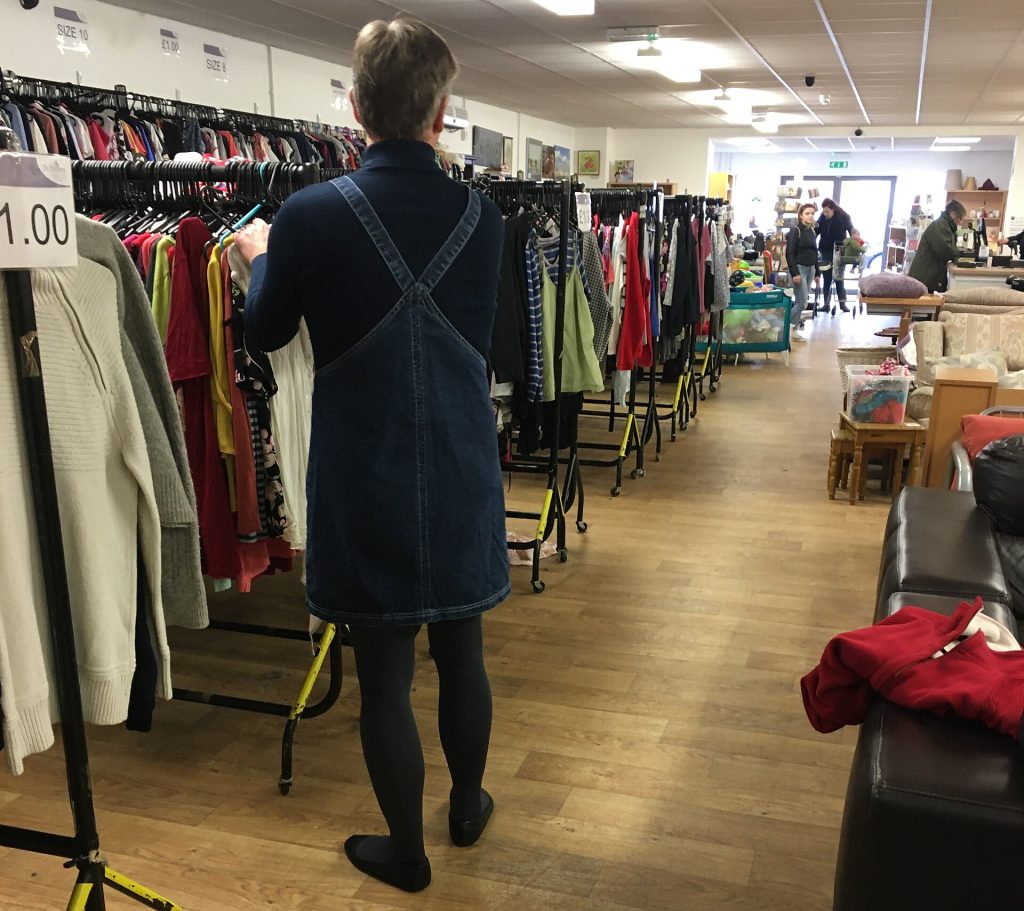
What began as gentle encouragement turned into regular outings. We started visiting local thrift stores together, comparing finds and sharing styling tips. These trips became less about the items we purchased and more about the time we spent together. The act of searching through racks side by side created space for deeper conversations and unexpected laughter.

Redefining Abundance
Through these experiences, I began to see abundance where I once saw lack. A well-curated thrift haul wasn’t a sign of financial struggle—it was proof of creativity, resourcefulness, and care for the environment. My daughters-in-law showed me that choosing secondhand didn’t diminish anyone; it expanded possibilities.
Lessons Beyond the Store
The impact of this shift extended beyond shopping habits. Letting go of the stigma around thrifting helped me release other forms of self-judgment. It reminded me that worth isn’t tied to newness or price tags, and that connection often grows in the most ordinary moments—like flipping through a rack of donated sweaters with someone who sees treasure instead of trash.
Looking Forward
Today, thrifting is no longer just a way to stretch a budget. It’s a practice rooted in sustainability, community, and shared discovery. And while the items we’ve collected over the years may fade or wear out, the relationships built during those quiet shopping trips remain strong.
Key Takeaways
- Thrifting can be a source of pride and creativity, not shame.
- Shared activities like thrifting can strengthen family relationships.
- Sustainable shopping choices contribute to broader environmental goals.
- Reframing old beliefs opens space for personal growth.
Reflection Questions
| Question | Purpose |
|---|---|
| What assumptions do I hold about secondhand goods? | Identify personal biases |
| How can shared experiences change perspectives? | Explore relationship-building |
| What role does sustainability play in daily choices? | Consider environmental impact |
Sources:
Thrifting Helped Me Become Friends With My 4 Daughters-in-Law – Business Insider