
Brightline’s Financial Situation
Brightline, the Florida-based passenger railroad, is reportedly nearing a critical financial juncture. According to recent reports, the company is facing significant debt obligations that have raised concerns about its long-term viability. The total debt load for the railroad is estimated at $5.5 billion, a figure that underscores the scale of the financial challenges the company is currently navigating.
The Path to Restructuring
Amidst these financial pressures, a Chapter 11 bankruptcy filing has emerged as a potential strategic option. A Chapter 11 filing would allow Brightline to restructure its debts while continuing its operations. This legal mechanism is often utilized by companies seeking to reorganize their financial obligations without ceasing business activities, potentially allowing the trains to keep running during the restructuring process.
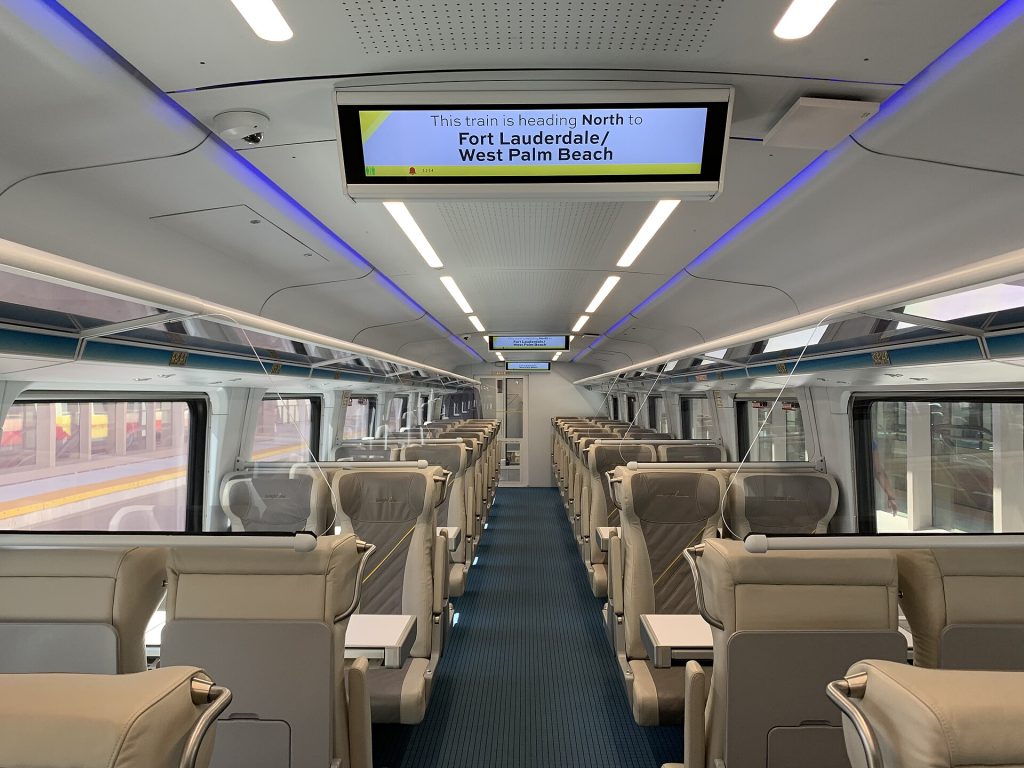
Operational Continuity and Strategic Decisions
The decision to pursue a Chapter 11 filing represents a significant strategic move for Brightline. By restructuring its debt, the company aims to stabilize its financial position and ensure the continuity of its passenger services. This approach could provide the necessary breathing room to address its $5.5 billion debt burden while maintaining its core operations.

Implications for Stakeholders
The potential bankruptcy filing has implications for various stakeholders, including investors, employees, and passengers. For investors, a restructuring could offer a path to recovery by aligning the company’s debt with its operational capabilities. Employees may face uncertainty during the restructuring process, but the continuation of operations could help preserve jobs. Passengers, meanwhile, may experience minimal disruption if the restructuring allows the trains to keep running as planned.
Context and Analysis
Brightline’s financial challenges highlight the broader difficulties faced by passenger railroads in the United States. The high cost of infrastructure, maintenance, and operations often puts significant pressure on companies in this sector. A Chapter 11 filing, while a serious step, is not uncommon among businesses seeking to reorganize and emerge stronger. For Brightline, the decision to restructure could be a pivotal moment that determines its future trajectory.

Key Considerations
- Debt Restructuring: The $5.5 billion debt load is a central issue in Brightline’s financial strategy.
- Operational Continuity: A Chapter 11 filing aims to keep the trains running while addressing financial obligations.
- Stakeholder Impact: The restructuring process will affect investors, employees, and passengers in different ways.
Conclusion
Brightline’s reported proximity to bankruptcy and the potential for a Chapter 11 filing underscore the complex financial landscape of the passenger railroad industry. By restructuring its debts, the company seeks to ensure its long-term viability and continue providing services to its passengers. The outcome of this process will be closely watched by industry observers and stakeholders alike.