Artistic Intervention on the Streets of New York
New York City’s ongoing affordability crisis has prompted various forms of public discourse, ranging from policy debates to digital campaigns. In a recent development that blends street art with urban mobility, artist Justin Blinder has introduced a physical intervention designed to make the abstract concept of housing costs tangible for commuters.
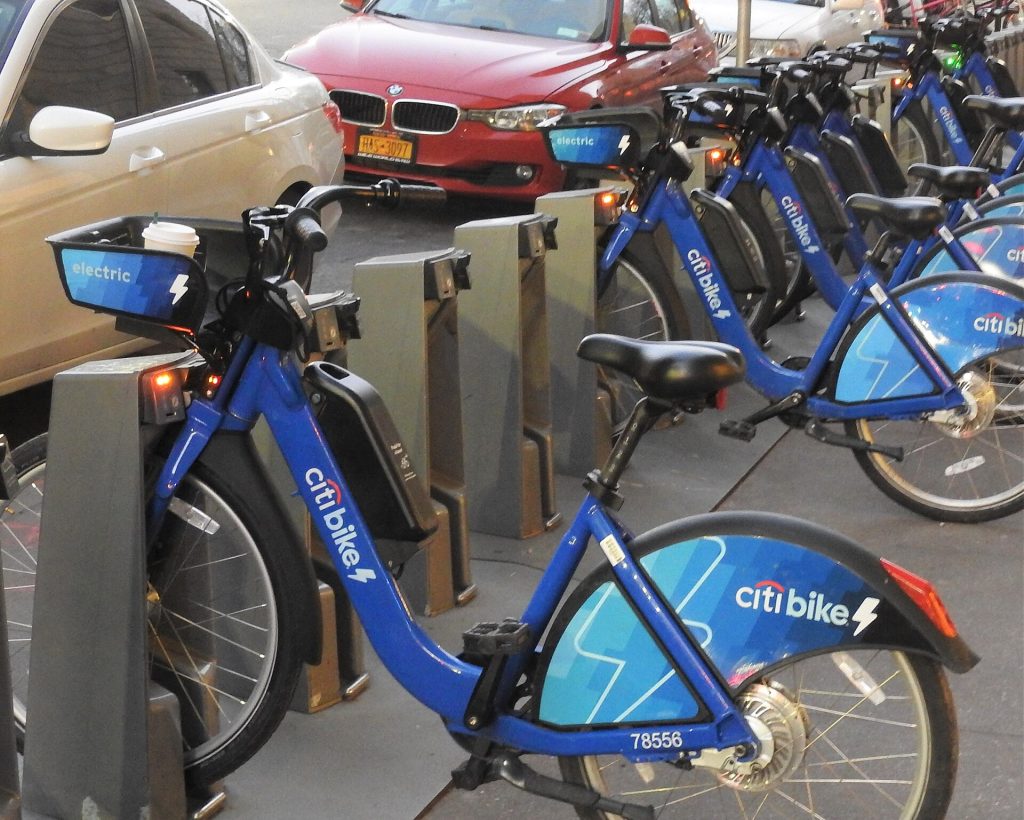
Blinder, known for his work in data visualization and public art, has created a specific device intended to interact with the city’s bike-share system. The project targets the CitiBike network, a staple of New York’s transportation infrastructure, to deliver a direct, physical message about the economic pressures facing residents.
The Mechanism of the Intervention
The core of Blinder’s project involves a device that modifies the riding experience of CitiBikes. According to available reports, the device is engineered to make it significantly harder to pedal the bicycle when it is used in specific geographic zones. These zones are not chosen at random; they correspond to areas of New York City where residents face high rent burdens.

By altering the mechanical resistance of the bike in these designated neighborhoods, the artist transforms a routine commute into a physical demonstration of economic strain. The increased effort required to move the bike serves as a metaphor for the additional financial and emotional weight carried by individuals living in high-cost areas.
Contextualizing the Affordability Crisis
New York City has long been cited as one of the most expensive cities in the United States, with housing costs often outpacing wage growth. The term “rent-burdened” typically refers to households that spend a disproportionate amount of their income on housing, a threshold that has become increasingly difficult for many New Yorkers to avoid.

While data visualizations and reports frequently highlight these statistics, they often remain abstract to those not directly affected or to policymakers who may not experience the daily reality of these costs. Blinder’s approach seeks to bridge this gap by embedding the data into the physical environment of the city.
Public Art as Social Commentary
Historically, public art has served as a platform for social commentary, challenging viewers to reconsider their surroundings and the systems that govern them. Blinder’s work fits within this tradition, using the ubiquity of CitiBikes to ensure that the message reaches a wide audience. Unlike a static mural or a digital ad, this intervention is dynamic and experiential, requiring the user to actively engage with the concept of burden through physical exertion.
The choice of CitiBikes is strategic. As a shared resource, these bikes are used by a diverse cross-section of the city’s population, from tourists to daily commuters. By targeting this shared infrastructure, the artist ensures that the commentary on housing affordability is not siloed within specific communities but is instead broadcast across the urban landscape.
Implications for Urban Mobility and Awareness
The deployment of such a device raises questions about the intersection of public infrastructure and artistic expression. While the primary intent is to raise awareness, the practical implications for users of the bike-share system are immediate. Commuters in rent-burdened areas may find their rides more strenuous, potentially altering their route choices or their perception of the bike-share service.
This project also highlights the growing trend of using technology and physical objects to communicate complex social issues. In an era where digital information is often consumed passively, physical interventions can create a more memorable and impactful experience. The tactile nature of the resistance provided by the device ensures that the message is felt, not just seen.
Reactions and Reception
While specific public reactions to this particular installation are not detailed in the provided evidence, similar projects by Blinder and other artists have often generated significant media attention and public discussion. The novelty of the approach, combined with the relevance of the topic, suggests that this intervention is likely to spark conversation about the state of housing in New York City.
The project serves as a reminder that the affordability crisis is not just a statistical anomaly but a lived experience that affects how people move through and interact with their city. By making the burden literal, Blinder invites the public to consider the structural factors that contribute to housing insecurity.
Conclusion
Justin Blinder’s CitiBike hack represents a innovative approach to addressing the New York City affordability crisis. By leveraging the city’s bike-share system to create a physical manifestation of rent burden, the artist has crafted a powerful piece of social commentary. This intervention not only highlights the severity of the housing issue but also challenges the public to engage with it in a new and tangible way.
As New York City continues to grapple with rising costs and housing shortages, such artistic interventions may play a crucial role in keeping the issue in the public eye. Blinder’s work demonstrates the potential of art to serve as a catalyst for social change, using the tools of the urban environment to tell a story that is both personal and systemic.