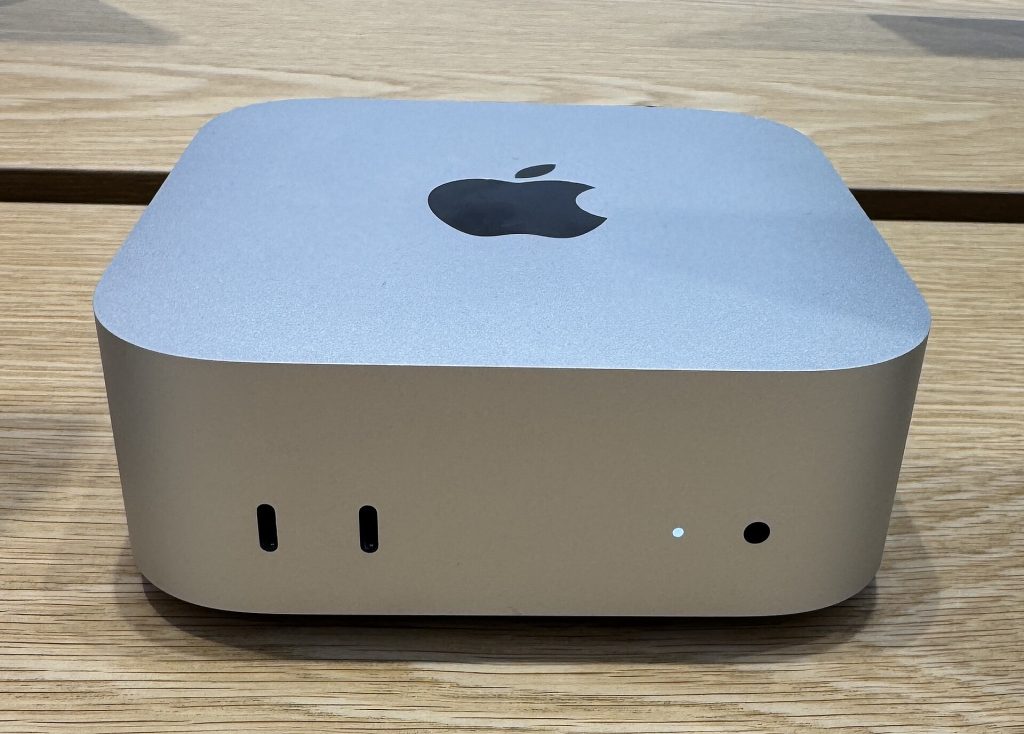
Apple has released the latest iteration of its compact desktop computer, the Mac mini, featuring the new M6 and M5 Pro processors. According to industry analysis, this specific update represents the most significant evolution of the device to date, marking a pivotal moment for the product line.
A New Era for the Compact Desktop
The Mac mini has historically served a variety of roles within the Apple ecosystem. From a budget-friendly entry point for new users to a high-performance workstation for creative professionals, the device has adapted to changing market demands. However, the introduction of the M6 and M5 Pro chips signals a shift in how Apple positions this hardware.
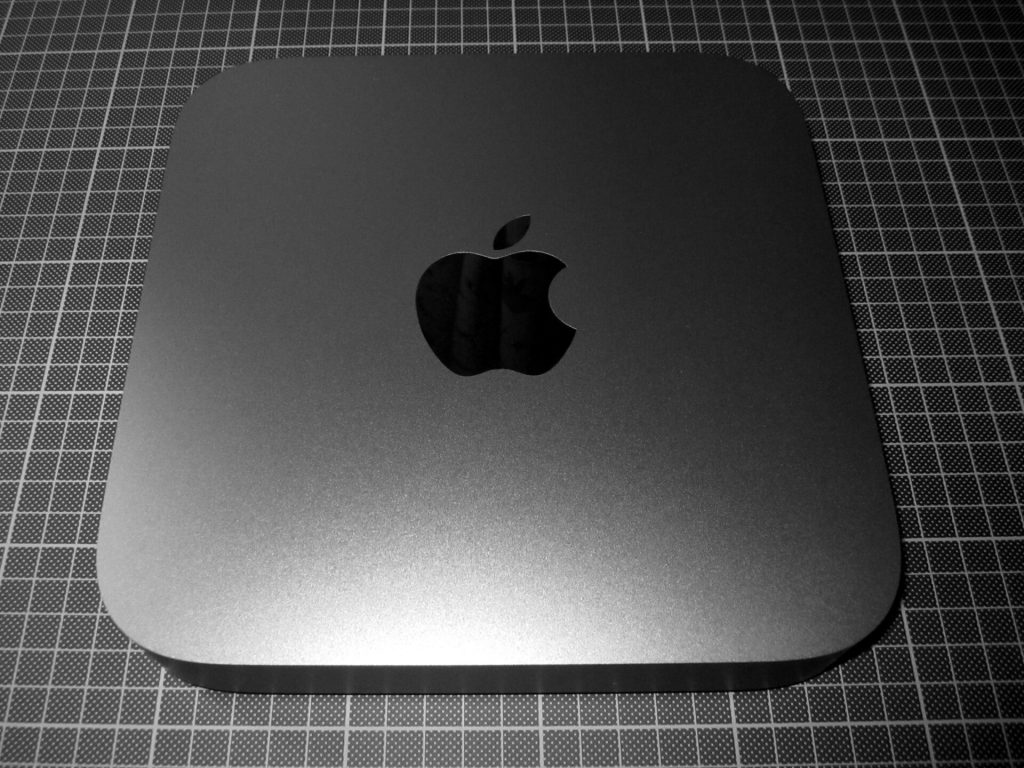
By integrating these advanced processors, Apple is addressing the growing need for high computational power in a small form factor. This update is not merely an incremental improvement but a strategic move to solidify the Mac mini’s relevance in a competitive desktop market.

Key Hardware Updates
The core of this release is the inclusion of two distinct chip options, catering to different user segments:
- M6 Chip: Designed for general performance and efficiency, this processor targets users who require reliable computing power for everyday tasks and light professional workloads.
- M5 Pro Chip: Aimed at power users and professionals, this variant offers enhanced capabilities for demanding applications, such as video editing, software development, and data analysis.
The distinction between the standard and Pro versions allows Apple to maintain a tiered product structure, ensuring that the Mac mini remains accessible to a broad audience while still appealing to high-end users.
Strategic Implications
Analysts suggest that this update is the “most interesting version yet” of the Mac mini. This characterization implies that the device is no longer just a secondary option in Apple’s lineup but is becoming a primary choice for those seeking a balance between performance and footprint.
The compact nature of the Mac mini makes it an attractive option for businesses and individuals looking to reduce desk space without sacrificing power. The new chips likely improve energy efficiency and thermal management, further enhancing the device’s appeal for continuous, heavy-duty use.
Market Positioning
As the desktop market continues to evolve, Apple’s focus on the Mac mini highlights a broader trend toward modular and compact computing solutions. By updating the Mac mini with its latest silicon, Apple is reinforcing its commitment to providing high-performance hardware in a variety of form factors.
This move also positions the Mac mini as a strong competitor to other compact desktops and even some traditional tower PCs, particularly for users who prioritize Apple’s ecosystem and software integration.
Conclusion
The release of the M6 and M5 Pro Mac minis marks a significant milestone for the product line. By combining advanced processing power with a compact design, Apple has created a device that is both versatile and powerful. This update is likely to attract a new wave of users and solidify the Mac mini’s place as a key player in the desktop computing landscape.