
Nvidia CEO Challenges AI Doomsday Narratives with Specific Risk Estimate
In a recent statement that has drawn attention within the technology sector, Jensen Huang, the Chief Executive Officer of Nvidia, has addressed the ongoing debate surrounding the potential existential risks posed by artificial intelligence. While public discourse often oscillates between extreme optimism and catastrophic pessimism, Huang has offered a more quantified perspective on the likelihood of an AI-driven apocalypse occurring by the year 2030.
Quantifying the Uncertainty
The central question posed in recent industry discussions is the probability that the world will end by 2030 due to artificial intelligence failures or malicious use. Huang, known for his pragmatic approach to technological development, has indicated that he has a specific number in mind regarding these odds. This move represents a shift from qualitative warnings to a more data-driven assessment of risk, a strategy that aligns with Nvidia’s position as a primary provider of the hardware infrastructure powering modern AI systems.
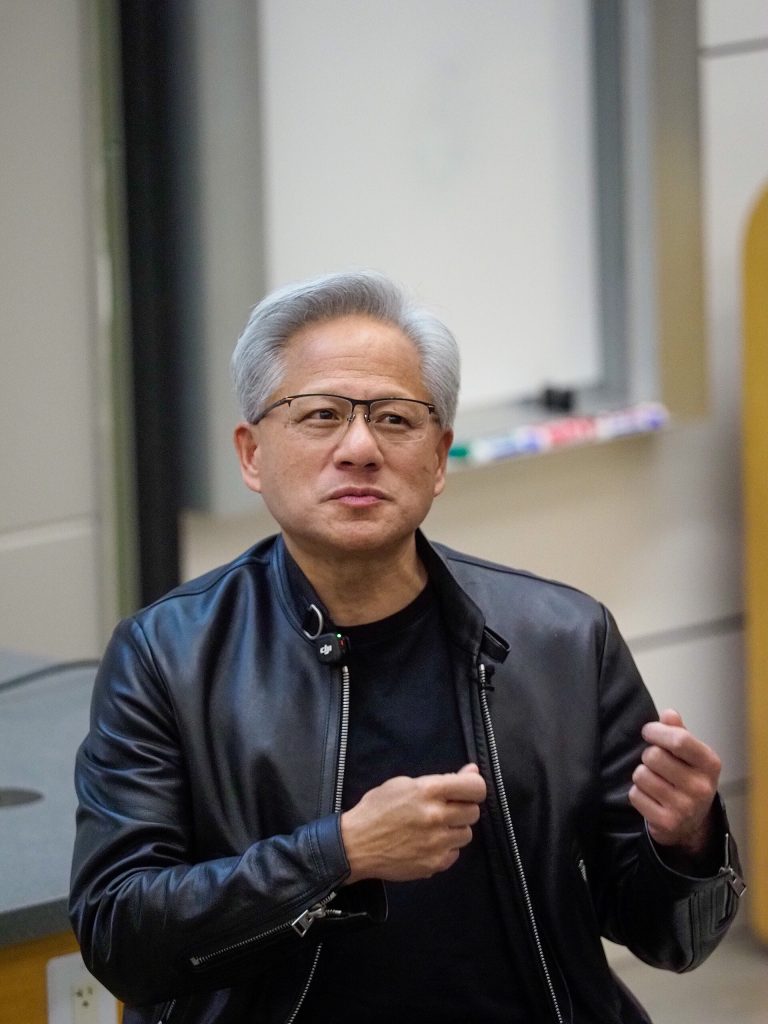
By assigning a specific probability to the scenario, Huang is effectively engaging with the “doomer” faction of the AI community—those who argue that the risks of advanced AI are immediate and unmanageable. His approach suggests that while the risks are real and warrant serious consideration, they may not be as imminent or certain as some critics suggest. This nuanced stance allows for continued investment and development in AI technologies while acknowledging the need for robust safety measures.

Context Within the AI Industry
The debate over AI safety has intensified as large language models and generative AI tools become more integrated into daily life and critical infrastructure. Nvidia, as a key supplier of GPUs and other computing components, sits at the center of this technological expansion. The company’s leadership has frequently emphasized the transformative potential of AI in healthcare, science, and industry, often contrasting these benefits against the speculative risks highlighted by external critics.
Huang’s recent comments add a new dimension to this dialogue. Rather than dismissing concerns outright, he is providing a framework for understanding the magnitude of the risk. This approach is significant because it invites a more rational discussion about resource allocation for AI safety research versus AI capability development. If the probability of an existential event by 2030 is low, it may justify a different balance of priorities for both private companies and public policy makers.
Implications for Stakeholders
For investors and industry partners, Huang’s prediction serves as a signal of confidence in the long-term viability of the AI sector. It suggests that the immediate trajectory of AI development is not expected to result in a catastrophic halt by the end of the decade. However, it does not negate the need for ongoing vigilance. The tech industry continues to grapple with issues of alignment, bias, and security, which are distinct from, but related to, existential risk.
Furthermore, this statement may influence how regulatory bodies approach AI governance. A quantified risk estimate can serve as a baseline for policy discussions, helping to determine the urgency and scope of potential regulations. If the risk is deemed manageable within the current decade, regulators may focus more on immediate consumer protection and data privacy issues rather than preemptive bans on advanced AI development.
The Broader Narrative
The tension between AI optimists and pessimists is a defining feature of the current technological landscape. Optimists point to the potential for solving complex global challenges, such as climate change and disease, through AI-driven discovery. Pessimists warn of job displacement, autonomous weapons, and the loss of human control over powerful systems. Huang’s position appears to bridge these gaps by acknowledging the severity of the potential downside while providing a concrete metric for its likelihood.
As Nvidia continues to expand its market share in the AI hardware space, the CEO’s public stance on risk management becomes increasingly important. It shapes the narrative around the technology’s future and influences how the public perceives the safety of the systems being built. By offering a specific number, Huang is attempting to ground the conversation in reality, moving away from speculative fiction and toward actionable risk assessment.
Conclusion
Jensen Huang’s recent prediction regarding the odds of an AI apocalypse by 2030 marks a notable development in the discourse on artificial intelligence safety. By providing a specific probability, he challenges the binary nature of the debate and encourages a more nuanced understanding of the risks involved. As the AI industry continues to grow, such quantified assessments will likely play a crucial role in guiding both corporate strategy and public policy. The focus remains on balancing innovation with safety, ensuring that the benefits of AI are realized without incurring unacceptable risks to society.