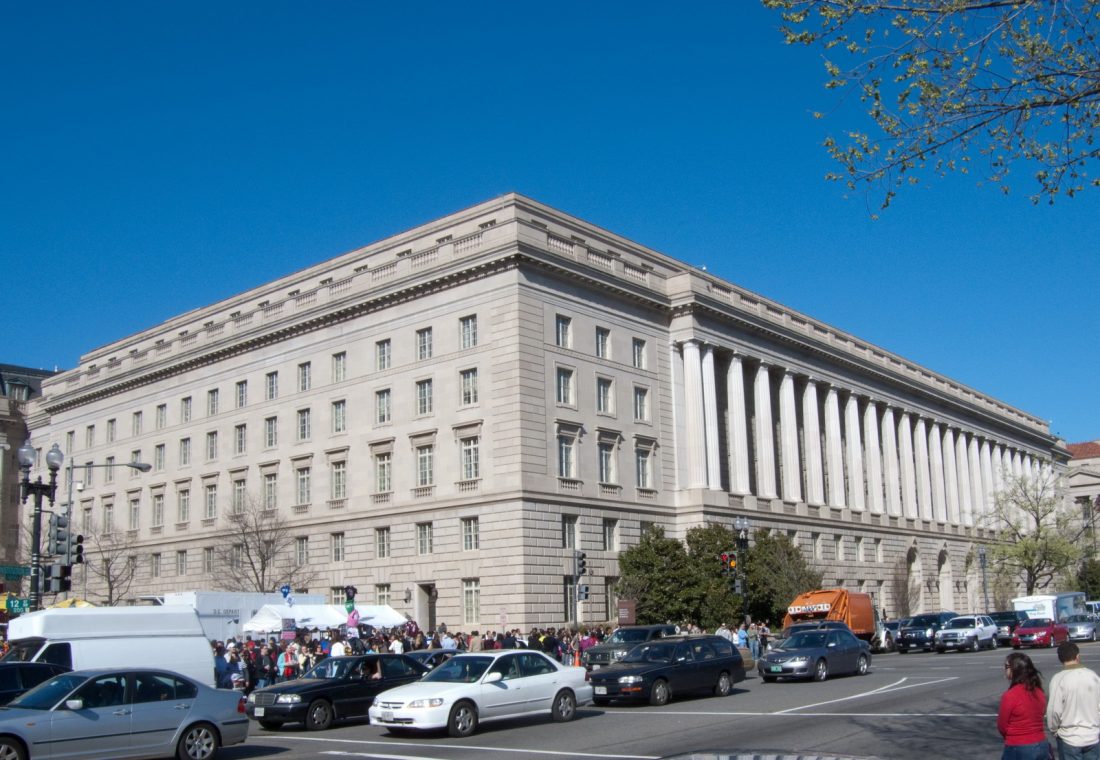

The landscape of tax compliance is shifting as the Internal Revenue Service (IRS) increasingly relies on advanced technology to identify potential audit targets. For small business owners and entrepreneurs, this technological evolution represents a significant change in how tax risks are assessed and managed. As the adoption of new tech tools within federal agencies grows, understanding the mechanics behind algorithmic auditing is no longer optional—it is a critical component of financial preparedness.
The Rise of Algorithmic Targeting
Historically, the IRS relied heavily on manual reviews and established statistical thresholds to select returns for examination. While these methods remain in use, the agency has been integrating sophisticated algorithms and data analytics to process the vast amounts of financial data it collects. This shift allows the IRS to identify discrepancies and anomalies more efficiently than traditional methods.

According to tax experts, the primary driver behind this transition is the sheer volume of data available today. Digital transactions, electronic filing, and third-party reporting provide a more comprehensive view of a business’s financial activities. Algorithms can cross-reference this data to flag returns that deviate from expected patterns for a specific industry or business size.

Why Small Businesses Are in the Crosshairs
Small businesses are often perceived as having less robust internal controls than large corporations, making them potentially more susceptible to errors or non-compliance. However, the use of algorithms does not mean that small businesses are being targeted unfairly. Instead, it means that the IRS can now scrutinize a wider range of returns with greater precision.
For entrepreneurs, this implies that even minor discrepancies in bookkeeping or tax reporting can trigger an automated flag. The algorithm may not understand the context behind a financial decision, but it will identify deviations from the norm. This necessitates a higher level of accuracy and documentation in all financial records.

Key Areas of Algorithmic Scrutiny
While the specific algorithms used by the IRS are not publicly disclosed in detail, tax professionals suggest that certain areas are more likely to be flagged by automated systems. These include:
- Income Reporting Discrepancies: Differences between reported income and third-party information returns (such as 1099s) are easily detected by algorithms.
- Deduction Anomalies: Deductions that are significantly higher than the average for a particular industry or business size may be flagged for review.
- Cash Flow Inconsistencies: Mismatches between cash flow statements and bank records can trigger automated alerts.
- Employment Tax Issues: Errors in payroll tax reporting are a common target for algorithmic review.
Preparing for an Algorithmic Audit
Given the increased reliance on technology, small businesses must adopt a proactive approach to tax compliance. This involves not only ensuring that all filings are accurate but also maintaining meticulous records that can withstand automated scrutiny.
1. Enhance Internal Controls
Implementing strong internal controls is essential for preventing errors and detecting discrepancies before they are reported to the IRS. This includes regular reconciliations of bank accounts, reviews of expense reports, and audits of payroll records. By catching errors early, businesses can avoid the stress and cost of an IRS audit.
2. Maintain Detailed Documentation
Algorithms may flag a transaction as anomalous, but they cannot provide context. Detailed documentation, such as invoices, contracts, and bank statements, can help explain unusual transactions and demonstrate compliance. Keeping organized records is not just a best practice; it is a defensive strategy against algorithmic flags.
3. Stay Informed on Tax Changes
Tax laws and regulations are constantly evolving, and so are the algorithms used to enforce them. Small business owners should stay informed about changes in tax law and seek advice from tax professionals who are up-to-date on the latest developments. This ensures that businesses are not only compliant but also optimized for tax efficiency.
4. Consider Professional Tax Planning
Working with a tax professional who understands the nuances of algorithmic auditing can provide valuable insights. These experts can help identify potential risk areas and develop strategies to mitigate them. They can also assist in responding to any IRS inquiries, ensuring that the business presents a clear and coherent case.
The Role of Technology in Tax Compliance
The use of algorithms by the IRS is part of a broader trend toward digitalization in government services. While this may seem daunting for small business owners, it also presents opportunities. By leveraging technology in their own operations, businesses can improve accuracy, reduce errors, and enhance efficiency.
For example, using accounting software that integrates with bank accounts and payment processors can automate many of the processes that are prone to human error. This not only saves time but also reduces the risk of discrepancies that could trigger an audit.
Conclusion
The IRS’s use of algorithms to choose audit targets is a reality that small businesses must acknowledge and prepare for. By understanding how these systems work and taking proactive steps to ensure compliance, entrepreneurs can protect their businesses from unnecessary scrutiny. The key is to stay informed, maintain accurate records, and seek professional guidance when needed. In an era of increasing technological sophistication, preparedness is the best defense.