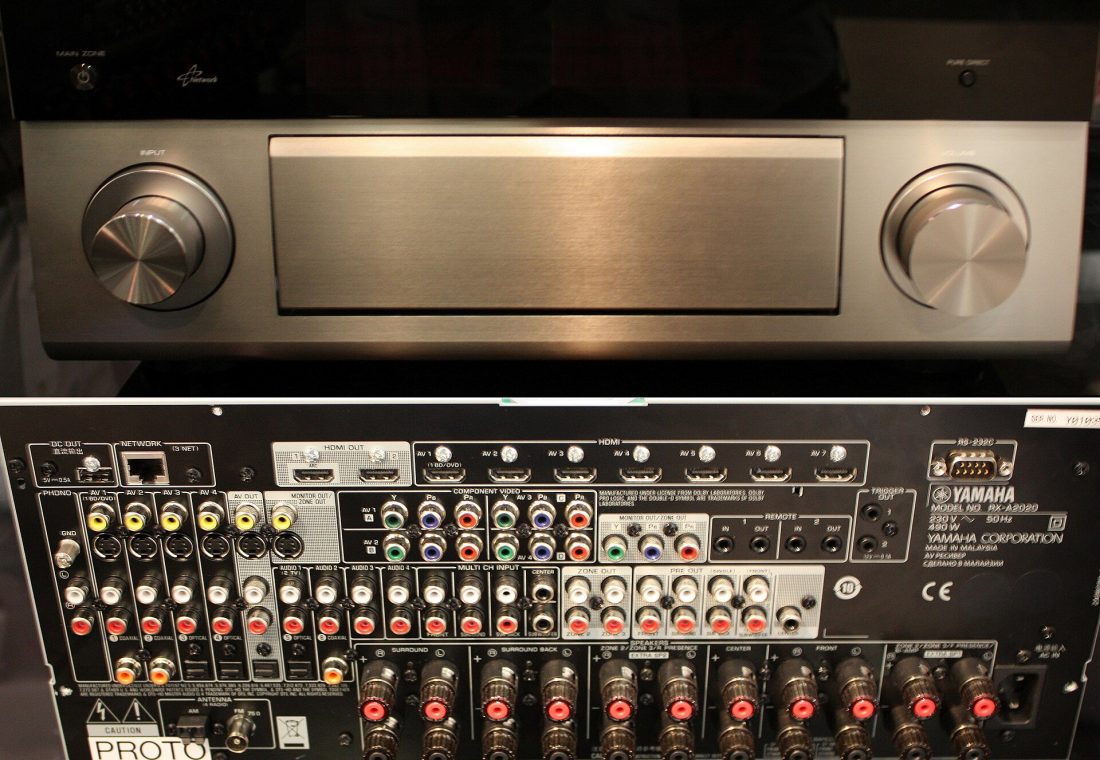
For many home theater enthusiasts, the initial setup of a surround sound system is often dictated by convenience rather than acoustics. Speakers are placed in corners, on shelves, or in whatever spots fit the room’s layout. While this approach gets the system operational, it rarely yields the optimal audio experience. According to recent analysis from Engadget, the difference between a mediocre setup and a high-fidelity audio environment often comes down to specific, manageable adjustments rather than expensive hardware upgrades.
The Impact of Speaker Placement
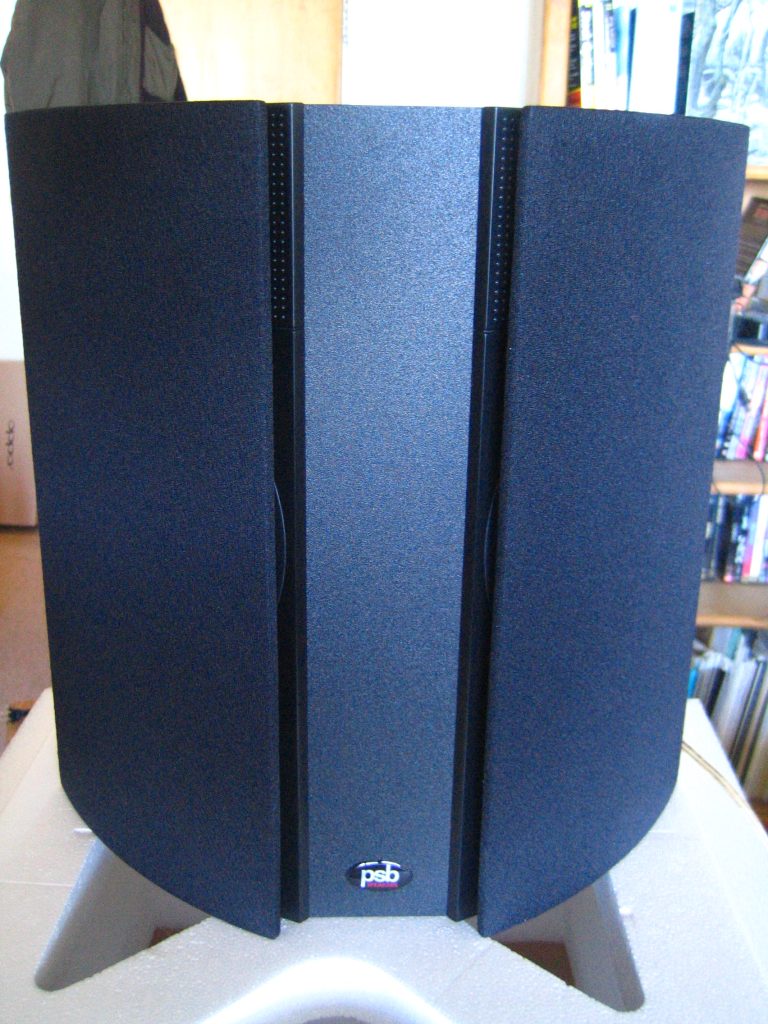
The most common mistake in home audio is treating speaker placement as a static decision. If speakers are positioned simply because they fit, the resulting sound field is likely compromised. The evidence suggests that adjusting speaker placement is one of the most effective ways to enhance sound quality. This involves moving speakers to positions that align with the intended audio imaging, ensuring that the virtual sound stage is accurate and immersive.
Room Acoustics and Environmental Factors
Sound does not exist in a vacuum; it interacts with the physical space it occupies. Room acoustics play a critical role in how audio is perceived. Hard surfaces can cause reflections and echoes, while soft furnishings can absorb frequencies, leading to a muffled sound. Adjustments to the room’s acoustic environment, such as adding rugs, curtains, or acoustic panels, can mitigate these issues. By managing how sound waves reflect and absorb within the room, listeners can achieve a clearer and more balanced audio profile.
The Role of Subwoofer Positioning
Subwoofers are often treated as an afterthought, placed in a corner or under a desk for convenience. However, the placement of the subwoofer significantly affects the low-frequency response of the system. Bass waves are omnidirectional at lower frequencies, but their interaction with room boundaries can create peaks and nulls in the frequency response. Experimenting with subwoofer placement can help smooth out these irregularities, resulting in tighter and more accurate bass reproduction.
System Settings and Calibration
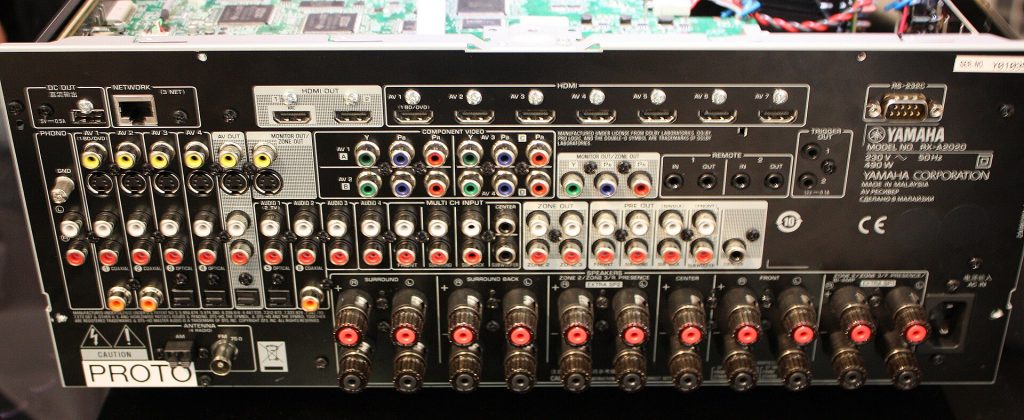
Hardware placement is only part of the equation. The settings within the audio receiver or processor are equally important. Modern surround systems often include automatic calibration tools, but manual adjustments can further refine the output. Tweaking volume levels, crossover frequencies, and delay settings for each speaker can ensure that all channels are synchronized and balanced. These settings allow the system to compensate for the specific acoustic characteristics of the room, creating a cohesive listening experience.
Practical Steps for Improvement
Improving home surround sound does not require a complete overhaul of the audio system. Instead, it involves a methodical approach to optimizing existing components. The following steps outline the key areas for adjustment:
- Reposition Speakers: Move speakers to recommended positions based on the manufacturer’s guidelines and the room’s dimensions.
- Manage Acoustics: Add soft furnishings or acoustic treatments to reduce unwanted reflections and standing waves.
- Optimize Subwoofer Placement: Test different locations for the subwoofer to find the spot with the most even bass response.
- Adjust Settings: Fine-tune the receiver’s settings, including volume, crossover, and delay, to match the physical setup.
Why These Changes Matter
The cumulative effect of these small changes can be dramatic. A system that previously sounded flat or disjointed can become immersive and detailed. By addressing the physical and digital aspects of the audio setup, listeners can unlock the full potential of their equipment. This approach is particularly valuable for those who have invested in high-quality speakers and receivers but are not satisfied with the current sound quality.
Conclusion
Enhancing home surround sound is a process of refinement. It requires attention to detail and a willingness to experiment with placement and settings. By focusing on room acoustics, speaker and subwoofer positioning, and system configuration, users can achieve a significant improvement in audio quality without the need for new hardware. These adjustments are accessible to most home theater enthusiasts and can transform the listening experience in a meaningful way.